Anker is using IFA 2026 to push a broader idea for the smart home: one intelligence layer that can make a growing collection of devices easier to manage. Tom’s Guide reported on the Anker MindBase AI home hub as part of the company’s new product announcements at the show. The IFA exhibitor page also places Anker’s connected-home work alongside eufy storage and Anker Intelligence energy-management projects.
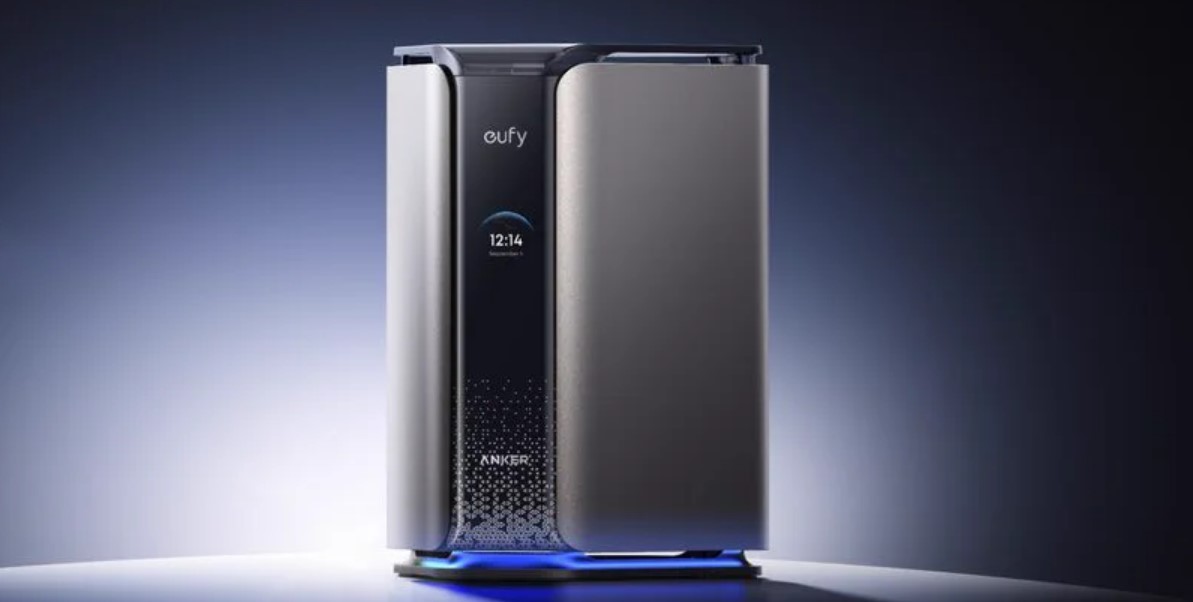
MindBase matters because the modern smart home is often split across brand apps. A camera may live in one application, a speaker in another and a power device in a third. Anker’s approach is a central point that can understand ordinary-language requests and connect them to compatible products. The final list of supported devices and services still needs confirmation.
Tom’s Guide described the hub as an AI-powered product designed to coordinate parts of the home ecosystem. That is a different proposition from a basic smart speaker or a single-purpose bridge. The useful test will be whether MindBase can handle practical routines, such as checking a camera, changing a device setting or summarizing activity, without forcing people to remember which app owns each function.
Storage and privacy are part of the wider Anker story at IFA. The official exhibitor information highlights eufy HomeBase products that support local storage, which can reduce dependence on a subscription cloud for compatible camera footage. That ecosystem information should not be read as proof that every MindBase AI task runs locally. Buyers will need to check where voice requests, video analysis and automation data are processed.
Anker is also showing how it wants AI to work with household energy. The IFA material references Anker Intelligence and energy-management features connected to its power products. In a mature setup, that could let a home monitor consumption and surface useful decisions instead of presenting owners with a long list of raw charts. Real savings, however, would depend on the supported hardware, electricity plan and the actions the system can actually automate.
A unified hub can make smart-home routines less intimidating, but it also creates a larger control point. Compatibility updates, account security and clear permission settings will matter as much as the assistant’s conversational ability. Users should be able to see which device an instruction will affect, review connected accounts and disable automation that behaves unexpectedly.
Anker has not yet supplied a final price, complete retail specification or a firm availability schedule for MindBase in the sources reviewed. For now, the confirmed news is an IFA-era push toward an AI home hub that sits above cameras, storage, power and other connected products. The product will be worth judging on interoperability, privacy controls and dependable routines rather than on the AI label alone.

Follow iNews Zoombangla On Google
Open the Google follow page and tap the checkmark option to receive more updates from iNews Zoombangla in your Google news feed.