The Apple Watch Ultra 4 is back in the spotlight as Apple’s September 9 event approaches. A fresh Geeky Gadgets report highlighted claims that Apple is testing a larger sensor package for its next rugged smartwatch. The report points to health and fitness tracking as the main area of change, while recent coverage from MacRumors has described a faster chip and more continuous heart-rate data as the more grounded expectations.
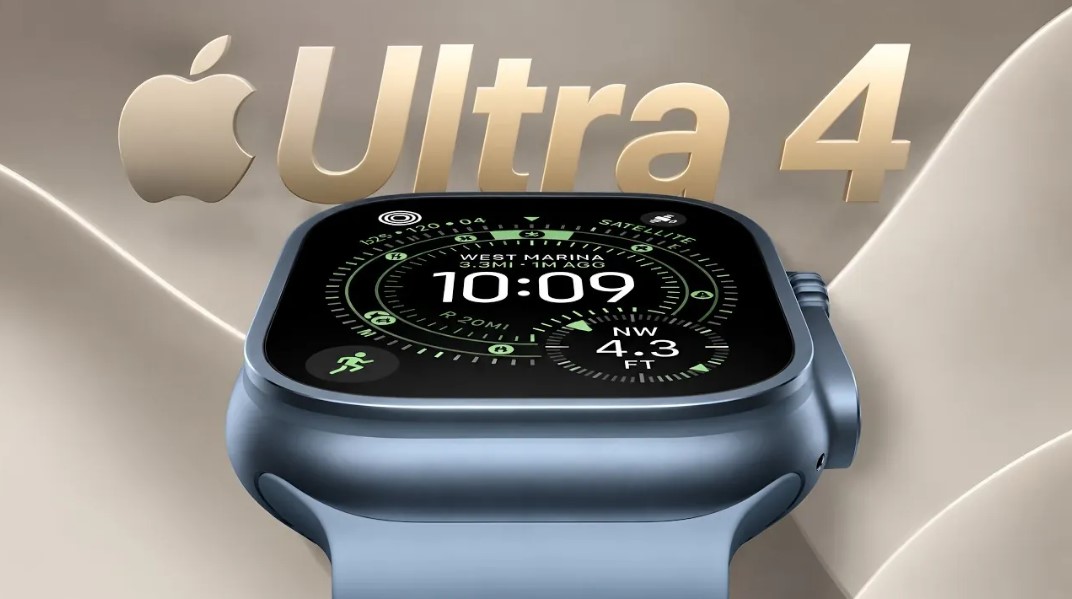
Apple has not announced the Watch Ultra 4 or confirmed the leaked sensor details. That distinction matters because the current discussion combines reporting, supply-chain claims and expectations about products that have not reached the market. Buyers should treat the sensor story as a possible direction, not a final feature list or a promise of a medical capability.
MacRumors reported that Apple is testing a way for the heart-rate sensor to collect data throughout the day. More frequent readings could give the Health and Fitness apps a larger stream of information, but it would not automatically turn the watch into a clinical monitor. Apple’s existing documentation describes optical heart sensors as part of the watch’s health hardware, while the company also warns users to treat health features as wellness tools rather than a substitute for professional care.
The expected performance change may be less dramatic than a new exterior. MacRumors says the Series 12 and Ultra 4 could use a newer chip than the S10 used in recent models. A faster processor can shorten app loading and help on-device features respond more quickly. It may also give Apple more room to tune battery use, although no final endurance figure has been confirmed for the Ultra 4.
Satellite features are another part of the broader rumor cycle. Recent Apple coverage has pointed to possible improvements for devices that already support satellite communication, including richer location and messaging functions. These features depend on region, network availability and emergency-service support. They should not be confused with an always-on internet connection or treated as a replacement for normal cellular coverage.
The Ultra line remains aimed at users who need a larger case, stronger water and dust resistance and longer outdoor sessions. Apple’s current Ultra models include GPS, a compass, an always-on altimeter and emergency features. Those existing capabilities provide the baseline for judging a new model; a sensor change alone would not explain whether an upgrade is worthwhile for someone who already owns an Ultra 2 or Ultra 3.
The Apple Watch Ultra 4 story is therefore about potential tracking improvements, not a confirmed redesign. Apple’s September event may settle the question, but until then the reliable facts are limited to the event date and the company’s existing watch technology. Buyers should wait for Apple’s specifications, health notices, regional availability and battery figures before treating the leaked sensor claims as a reason to upgrade.

Follow iNews Zoombangla On Google
Open the Google follow page and tap the checkmark option to receive more updates from iNews Zoombangla in your Google news feed.