The viral videos of girl search is linked to a specific story from Arunachal Pradesh: a young girl’s response to being called “Chinese” has drawn attention to how people from India’s Northeast are described online. The Daily Pioneer reported on August 23 that the girl was from Itanagar and identified her as four-year-old Karga Tinkle Gongo. Hindustan Times published a follow-up on August 24.
The original clip showed the girl objecting to the label and affirming that she and her family are Indian. The Telegraph, in a PTI report published on August 20, said the 56-second video spread widely after the girl described feeling hurt and angry when someone questioned whether she was Chinese. The Daily Pioneer also reported that the video was first recorded by her mother during an ordinary outing.
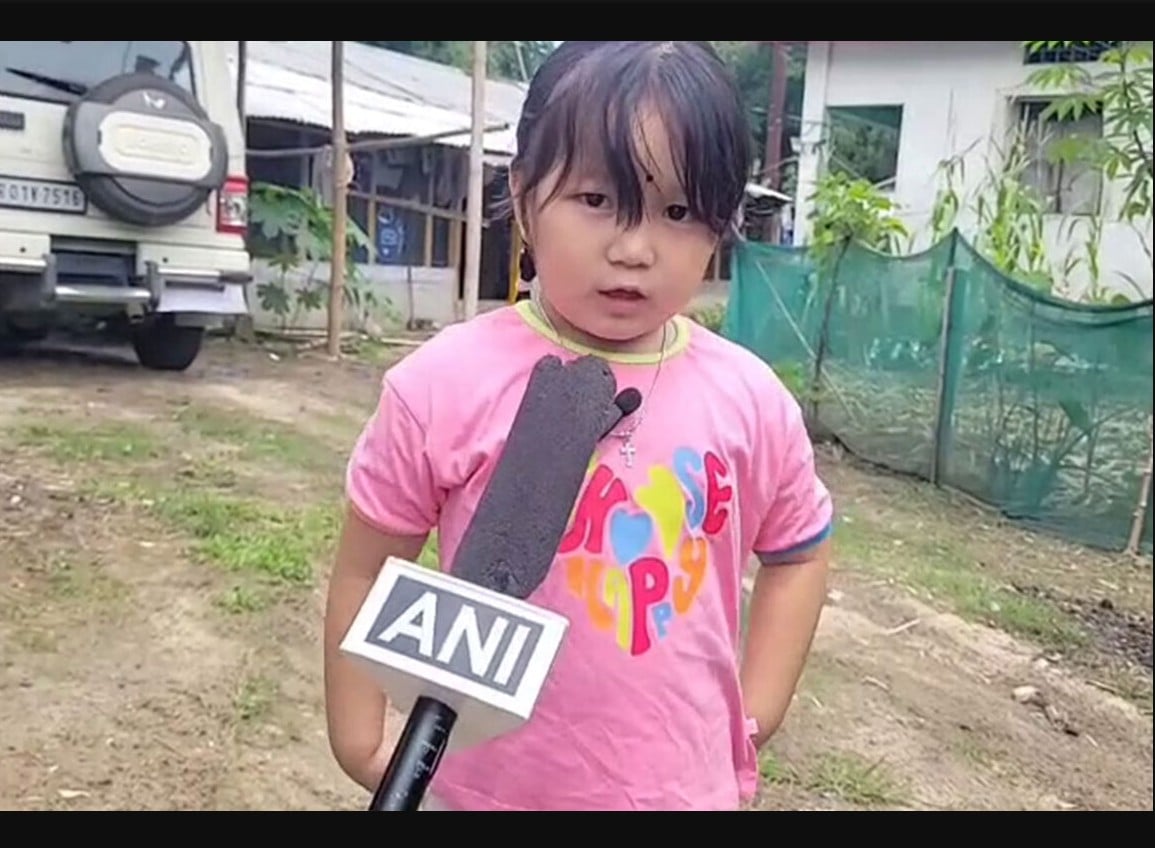
The wording in the clip became the central reason for the attention. The Daily Pioneer reported that the child said people should not call them Chinese and that the family lived in Itanagar. The report connected the response to a wider conversation about Northeast Indians being wrongly identified as foreigners because of their appearance.
Hindustan Times then reported a follow-up video in which the girl spoke with her mother about the support she had received online. In that recording, the child understood that people on Facebook were calling her “India” and “India ka baby”. The newspaper said the new exchange was being welcomed by viewers after the earlier video had brought attention to the insensitive treatment described by the child.
The follow-up matters because it changed the online response without erasing the original issue. The first video centred on the child’s hurt after the remark. The second showed her reacting to messages of support and thanking people who had encouraged her family. Hindustan Times reported that commenters praised her innocence and reminded her that she had always been part of India.
The reports also show the limits of treating a social-media clip as a complete account of an incident. The publications described what appeared in the videos and the public response, but they did not establish the identity of the person who made the original remark or provide an official investigation into that exchange. The reported facts are therefore limited to the child’s words, her mother’s role in the recordings and the reaction described by the outlets.
The story has also been discussed alongside other reports of racial slurs directed at people from the Northeast. The Telegraph cited earlier incidents and noted that the Centre had told Parliament that no centralised data was maintained on hate speech, racial slurs, harassment and discrimination against people from the region. That background is reported context, not proof that every online comment reflects a formally recorded case.
The current, identifiable story behind the generic keyword is thus a pair of videos involving an Arunachal Pradesh child: the first objected to a racial label, and the follow-up showed her receiving messages of support. The latest report reviewed was Hindustan Times’ August 24 update, while the Daily Pioneer’s August 23 report supplied additional details about the original clip.

Follow iNews Zoombangla On Google
Open the Google follow page and tap the checkmark option to receive more updates from iNews Zoombangla in your Google news feed.