Interest in cyclosporiasis surged after federal officials said an outbreak associated with recalled iceberg lettuce had been confirmed in 20 US states. The Associated Press reported the wider state count on Thursday, as health agencies continued to trace cases and review additional reports. The illness is caused by Cyclospora, a parasite that can produce prolonged intestinal symptoms, and the outbreak has prompted renewed attention to food recalls and produce handling.
The latest federal numbers need to be read carefully. The Centers for Disease Control and Prevention’s surveillance page lists 1,645 confirmed domestic cases since May 1, 2026, and says more than 5,100 other cases require further analysis to determine whether they were acquired domestically. Those figures cover national surveillance and are not identical to the subset of cases tied to the recalled lettuce investigation.
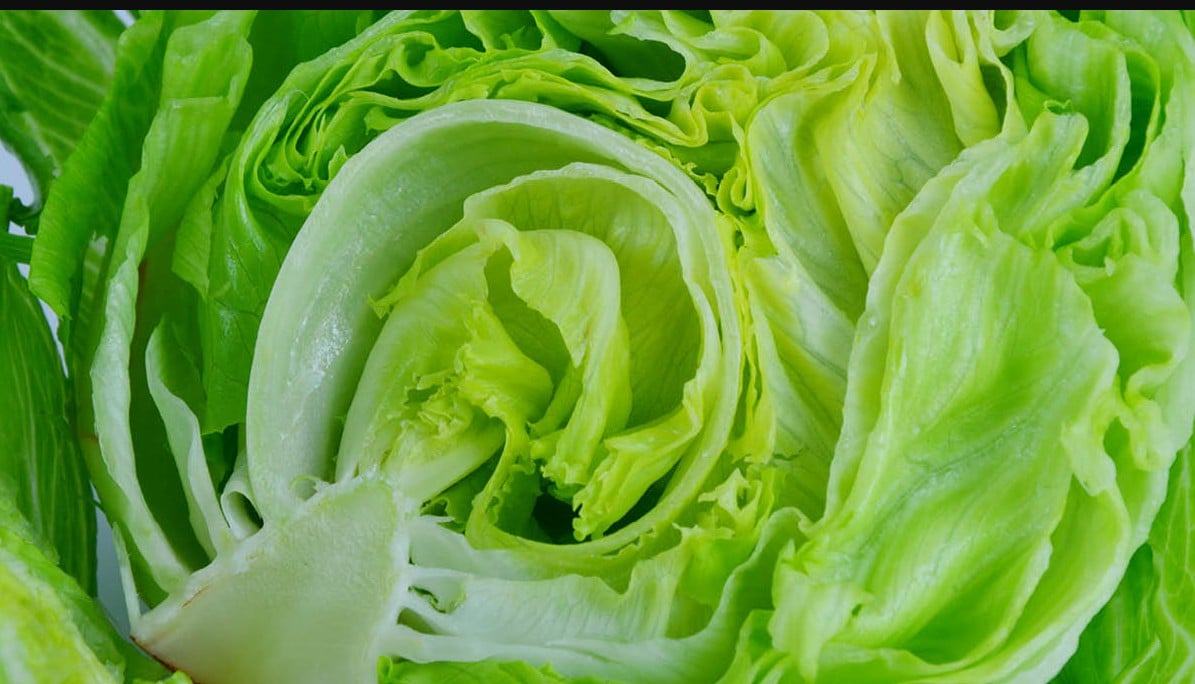
CDC, the Food and Drug Administration and state partners are investigating the outbreak. Earlier notices linked a five-state cluster to shredded iceberg lettuce served at Taco Bell locations, while later reporting described confirmed cases in more states. Federal agencies have also examined lettuce sourced from central Mexico. Consumers should rely on the specific recall notice and the latest agency updates because not every iceberg lettuce product is included in the same investigation.
Cyclosporiasis commonly causes watery diarrhea, loss of appetite, weight loss, stomach cramps, bloating, nausea and fatigue. The CDC says symptoms can begin about a week after exposure, although the timing can vary. People who develop persistent or severe symptoms should contact a health professional and mention any possible exposure to recalled food. Treatment decisions should be made by a clinician rather than based on online reports.
The public-health message is changing as the investigation develops: check recalled-product notices, do not eat food identified by agencies as recalled, and follow restaurant or retailer instructions. The CDC identifies May through August as the main cyclosporiasis season in the United States. With the current search spike, the key facts are the difference between confirmed cases, suspected cases under review and cases linked to a particular food source.

Follow iNews Zoombangla On Google
Open the Google follow page and tap the checkmark option to receive more updates from iNews Zoombangla in your Google news feed.