The search phrase “brain eating amoeba north carolina” surged after health officials said a central North Carolina teenager was critically ill with an infection caused by Naegleria fowleri. WRAL and WSOC-TV reported that the North Carolina Department of Health and Human Services announced the case Thursday. Officials did not release the teen’s identity or the location where the exposure may have occurred, citing the family’s privacy.
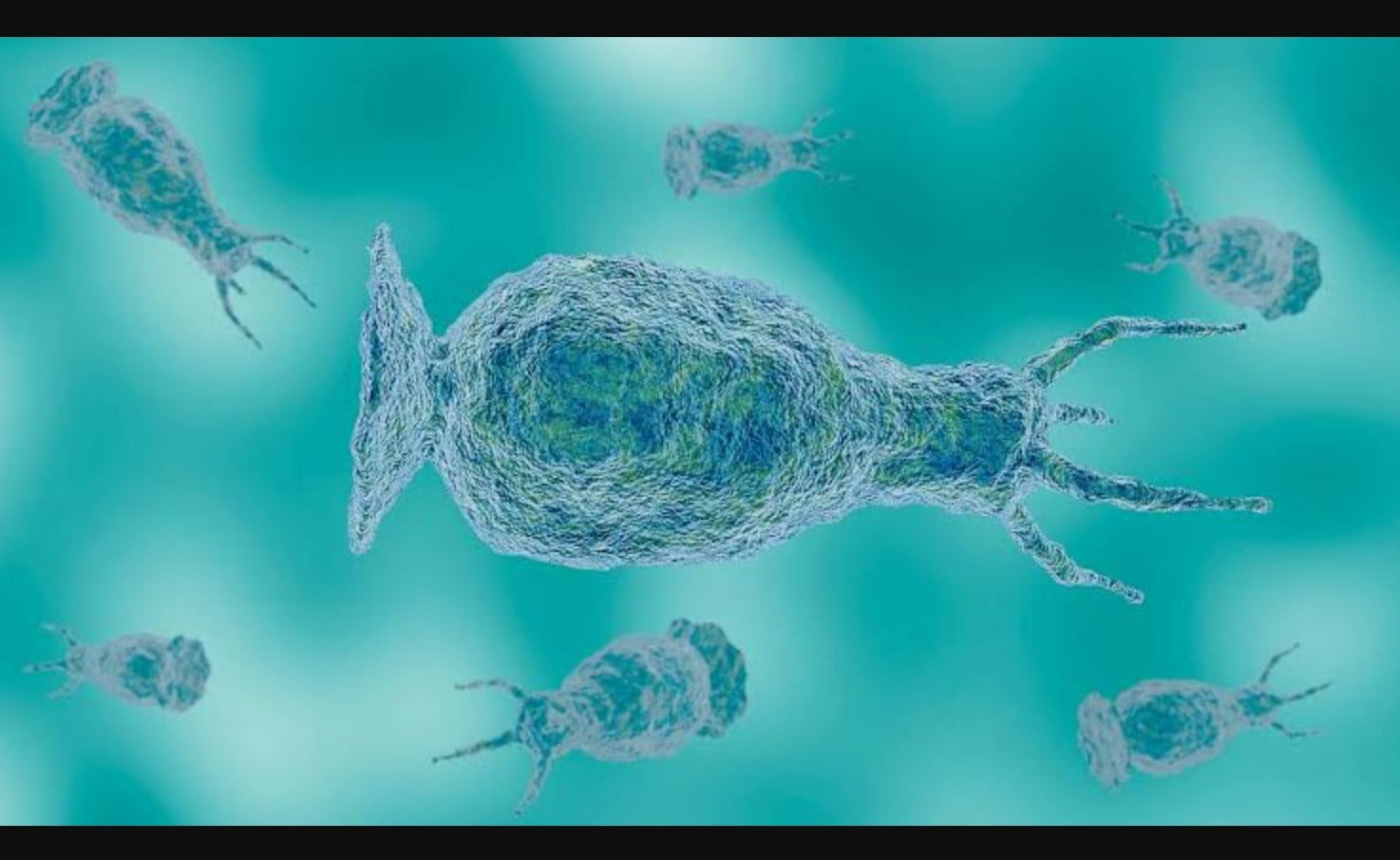
Naegleria fowleri is a microscopic organism found in warm freshwater. It can cause primary amebic meningoencephalitis, a rare infection that affects the brain. State health officials said the organism can enter when contaminated water is forced up the nose during activities such as diving or jumping. It is not found in saltwater or properly maintained and chlorinated swimming pools, according to the guidance cited by both local reports.
The infection is extremely uncommon, but it can progress quickly. Health officials describe early symptoms as severe headache, fever, nausea and vomiting, followed by more serious neurological symptoms. Families should not attempt to diagnose themselves from a news report. Anyone who becomes seriously ill after possible freshwater exposure should seek urgent medical care and tell clinicians about the exposure.
NCDHHS advised swimmers to prevent warm freshwater from entering the nose by holding the nose shut, using nose clips or keeping the head above water. The agency also advised avoiding head submersion in hot springs and thermal waters, and avoiding diving or stirring sediment in warm freshwater during periods of high temperatures and low water levels.
Officials stressed that the risk remains very low even though the outcome can be severe. The state’s announcement is a case update, not evidence that a particular lake, river or pond has been identified as the source. Until investigators release more information, the responsible response is to follow public-health guidance, protect the family’s privacy and avoid turning a rare case into an unsupported warning about every freshwater location.

Follow iNews Zoombangla On Google
Open the Google follow page and tap the checkmark option to receive more updates from iNews Zoombangla in your Google news feed.