Searches for “marine one” climbed after investigators disclosed new details about an August near miss involving the presidential helicopter and a passenger aircraft near Ronald Reagan Washington National Airport. The National Transportation Safety Board said the Marine One crew failed to reach air-traffic controllers before departure, even though the crew tried at least twice to provide the required three-minute notice. Reuters reported the finding on Thursday, citing the NTSB’s preliminary account.
The incident occurred on August 4 as a passenger jet prepared to depart. The NTSB said the helicopter and the plane came within 0.82 nautical mile laterally and 700 feet vertically at one point. The aircraft were not on a collision course in the final account described by the agency, but the separation was close enough to trigger a safety investigation and questions about the coordination of special presidential flights with commercial traffic.
Marine One personnel also tried to contact controllers through the helicopter facility at Joint Base Anacostia-Bolling, according to the NTSB. That attempt did not solve the communication problem. The agency said the crew and air-traffic-control staff had already met on July 30 to discuss reports that required departure calls were not being received. The crew described its communications as unreliable.
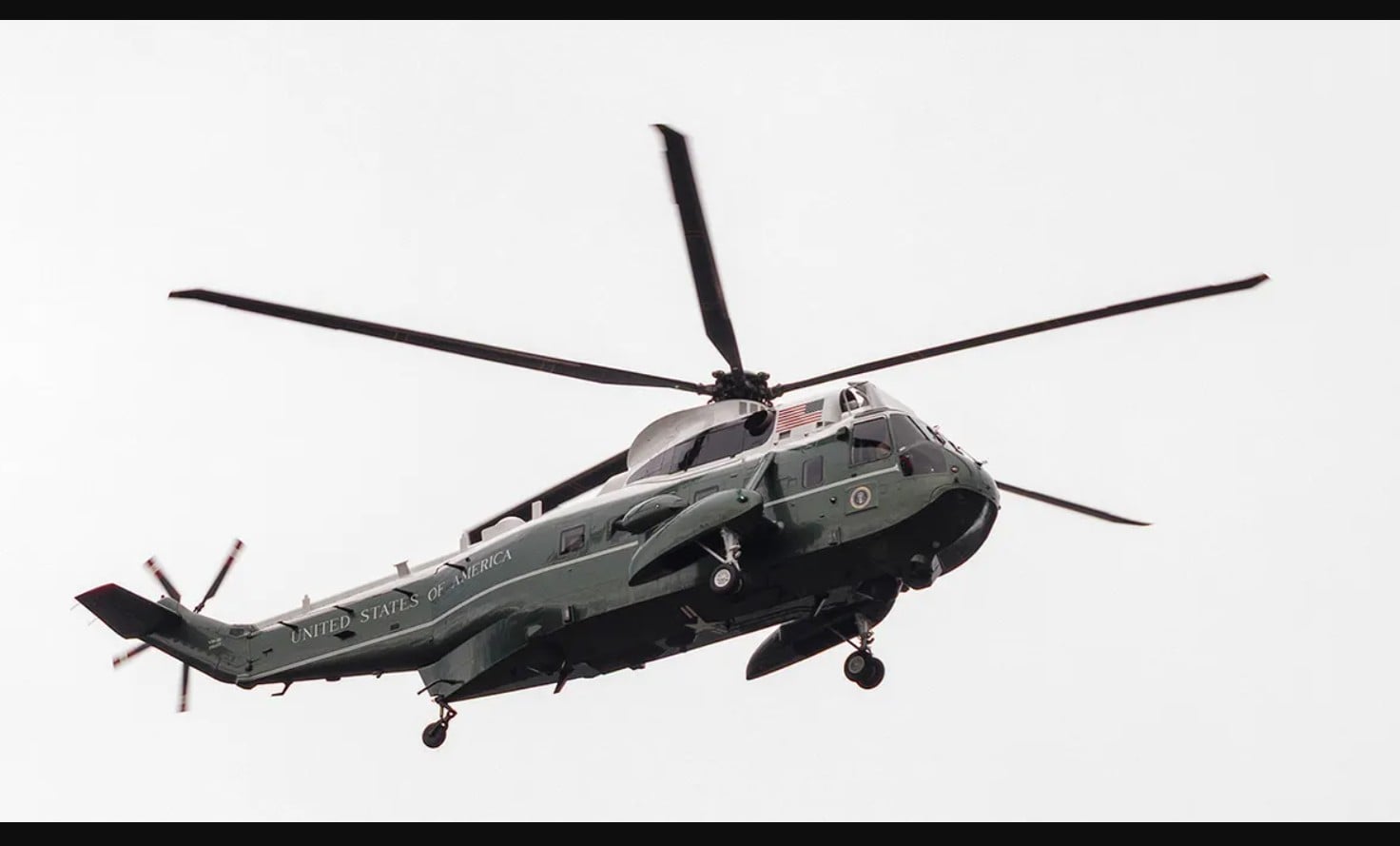
The Federal Aviation Administration has said it relocated an antenna and changed a procedure after the incident. NTSB investigators reported that checks following the antenna move did not show continuing communication problems. That does not close the broader review, because investigators still need to determine how the missed notice, airport traffic flow and operational procedures interacted on the day of the near miss.
The case has renewed attention to the safeguards around Reagan National, where a January 2025 midair collision between an Army helicopter and a regional jet killed 67 people. The latest findings do not assign final fault, and the investigation remains preliminary. The practical issue highlighted by the report is straightforward: reliable, shared communication is essential when military helicopters and passenger planes operate in the same constrained airspace.

Follow iNews Zoombangla On Google
Open the Google follow page and tap the checkmark option to receive more updates from iNews Zoombangla in your Google news feed.