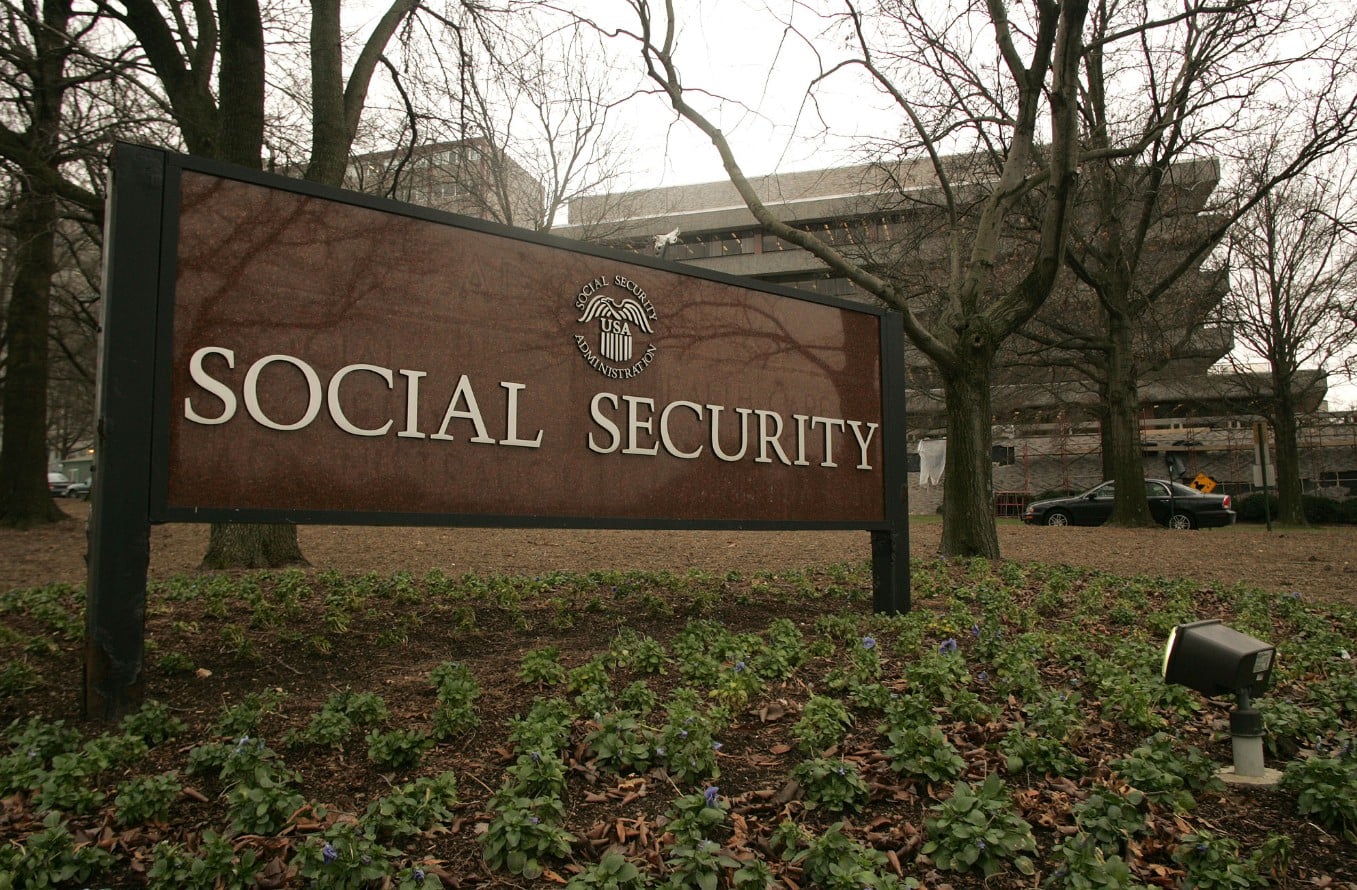
The phrase “social security trust fund depletion” returned to the US trending list as lawmakers renewed attention to the program’s finances. The Social Security Administration’s 2026 trustees report, released in June, projects that the Old-Age and Survivors Insurance trust fund will reach reserve depletion in the fourth quarter of 2032. That is a projection under current law, not a forecast that Social Security payments will suddenly stop on that date.
The distinction between the retirement fund and the combined trust funds is central. The SSA says the combined Old-Age, Survivors and Disability Insurance funds are projected to remain able to pay scheduled benefits through 2034 under its intermediate assumptions. If Congress makes no changes after reserves are depleted, incoming payroll-tax revenue would still cover part of scheduled benefits, but the law would not permit the full scheduled amount to be paid from a depleted reserve.
The latest report puts the retirement-fund date one quarter earlier than the previous year’s projection and estimates that 78% of scheduled OASI benefits would be payable at the depletion point. Those figures describe a financing gap that policymakers must address; they do not measure the monthly benefit of any individual worker or predict the exact size of a future change in isolation.
The topic was pushed back into the news this week after the Associated Press reported that Democratic Senator Dick Durbin and Republican Senator Bill Cassidy were discussing a proposal to collect public input and develop legislation aimed at keeping the retirement program solvent for at least 50 years. The bipartisan framing reflects the long time horizon of the problem and the political difficulty of changes to taxes, benefits and eligibility rules.
For workers and retirees, the useful takeaway is to follow official trustees updates and avoid headlines that say the program is simply “running out of money.” The projected dates are warnings about reserves, not an automatic termination of the program. Any change to benefits or revenue would require Congress to act, and the outcome cannot be known from the trustees’ projection alone.

Follow iNews Zoombangla On Google
Open the Google follow page and tap the checkmark option to receive more updates from iNews Zoombangla in your Google news feed.