Dyson is turning a routine toothbrush into a connected oral-care device with the Dyson CameraJet. The company unveiled the product in Paris on September 1, describing it as a system that combines brushing, liquid flossing and a small camera. A current Geeky Gadgets report has put the launch back in the spotlight, while independent testing has focused on whether the extra hardware improves the daily brushing routine.
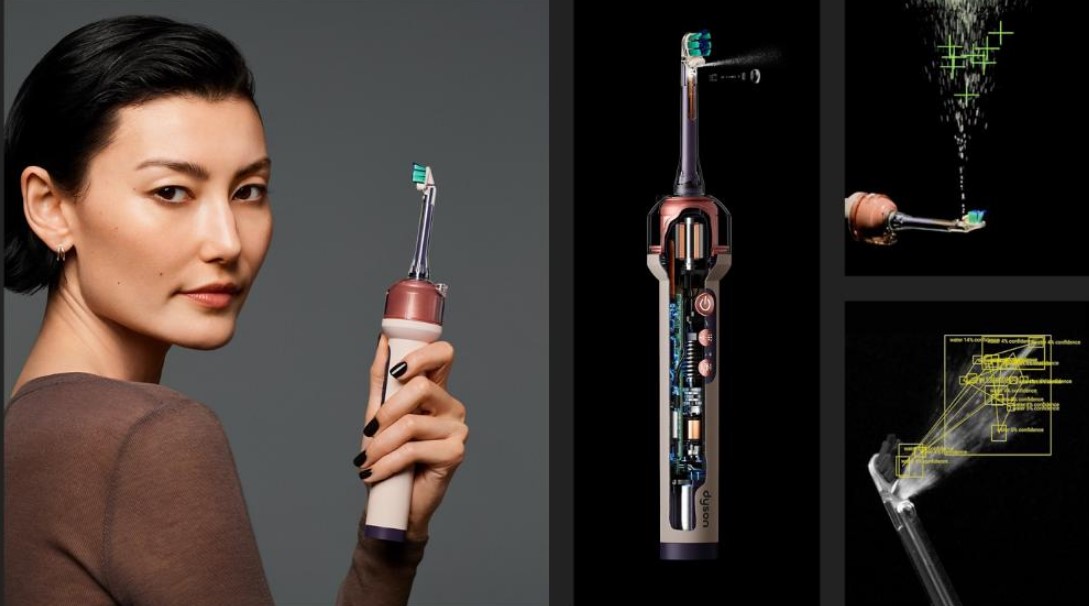
The main feature is a 100,000-pixel macro lens built into the brush. Dyson says its Gap Optical Targeting system uses machine learning to detect, track and predict gaps between teeth. When the system identifies a target, the brush can trigger a precision jet of mouthrinse. Users can also choose manual jetting, adjust brushing intensity and view the camera feed through the MyDyson app.
That camera changes the product’s privacy profile. Dyson says the camera is active only during live viewing or automatic jetting. The company also says images are not recorded or stored on the brush or in the cloud. Those are manufacturer claims, so buyers who are sensitive about health-related data should still review the app permissions and privacy terms before connecting the device to a home network.
The app is designed to make the brush more instructive. Dyson lists guided cleaning, brushing and flossing insights, coverage mapping and personalized feedback among its features. The goal is to show users where they are cleaning well and where they are missing. These tools may help with technique, but the CameraJet is not a dental examination and its feedback should not be treated as a diagnosis or a substitute for professional care.
Dyson sells CameraJet as part of a broader Dental System. The package includes the brush, a charging dock, a travel case, Dyson Toothpaste and Dyson Mouthrinse. The official U.S. product page lists the price at $499.99 and currently shows Ceramic Ultra Blue as out of stock; Ceramic Pink is the other announced color, but availability can change by market and retailer.
There is also a consumables and maintenance question. Dyson says the system is engineered to work with its toothpaste and mouthrinse, while the company’s launch material presents the complete set as one routine. That makes the ownership experience different from a standard electric toothbrush. A buyer should check the cost and availability of replacement heads, toothpaste and mouthrinse before judging the initial price.
TechRadar’s weeklong review found the camera more useful than expected but still described the package as expensive. That is the central choice with CameraJet. It offers a level of visual feedback and automated rinsing that ordinary brushes do not, yet the benefits depend on a connected app and a premium bundle. The product is an interesting experiment in smarter oral care, but shoppers should compare the ongoing cost with what they actually need from a toothbrush.

Follow iNews Zoombangla On Google
Open the Google follow page and tap the checkmark option to receive more updates from iNews Zoombangla in your Google news feed.