The 2026 Ebola epidemic in the Democratic Republic of Congo has grown to 635 confirmed cases and 127 deaths as of June 11, according to the latest figures from the World Health Organization. The outbreak, caused by the Bundibugyo ebolavirus strain, has now spread to Uganda, where health authorities have confirmed 19 cases including two deaths.
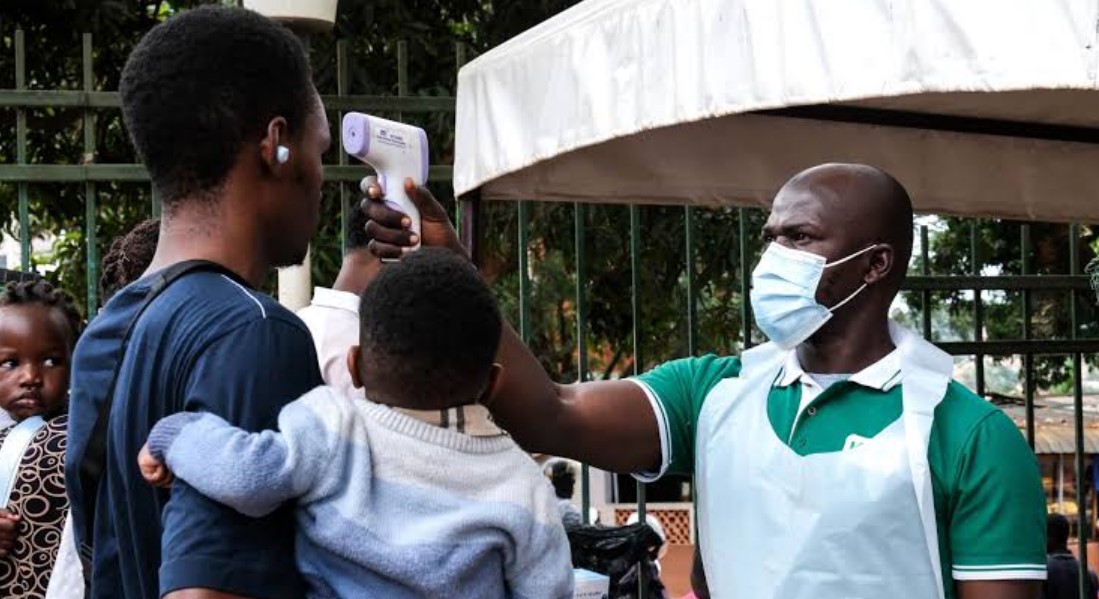
Ituri province in eastern Congo remains the epicentre, accounting for 600 of the confirmed cases across 18 health zones. North Kivu province has reported 32 cases, and South Kivu has confirmed three. WHO officials said the geographic spread across multiple provinces and into a second country reflects serious failures in contact tracing and isolation, caused primarily by ongoing armed conflict in the affected areas.
The Bundibugyo ebolavirus strain complicates the response because the vaccines and treatments developed for the more common Zaire ebolavirus offer only partial protection. The ring vaccination strategy used to contain the 2018-2020 Kivu Ebola outbreak cannot be fully replicated with the available vaccine supply, leaving health workers with fewer tools than in previous emergencies.
The WHO declared the outbreak a Public Health Emergency of International Concern on May 16, its highest level of alarm. Despite that designation, international funding and personnel commitments have been slow to materialise, with donor nations managing competing humanitarian demands from the ongoing Middle East conflict.
Nearly 10 million people across Ituri, North Kivu, South Kivu, and Tanganyika face severe food insecurity. Armed groups have attacked health facilities in the region on multiple occasions since the outbreak began, and WHO officials said such incidents make it “nearly impossible” to trace contacts and contain transmission chains. The Congo government and WHO have called for emergency funding of at least $200 million to scale up the response. See the WHO outbreak report for the full epidemiological data. Earlier coverage of the initial Ebola outbreak and the competing EU humanitarian attention provides broader context. The Middle East crisis drawing donor resources away from Congo is a key backdrop.

Follow iNews Zoombangla On Google
Open the Google follow page and tap the checkmark option to receive more updates from iNews Zoombangla in your Google news feed.