The Federal Reserve‘s rate-setting committee voted 9 to 3 on July 29 to leave its benchmark short-term borrowing rate unchanged in a range of 3.5 percent to 3.75 percent, following one of the more closely watched meetings of the year.
Three officials dissented from the decision, all in favor of raising rates by a quarter point: Dallas Fed President Lorie Logan, Cleveland Fed President Beth Hammack and Minneapolis Fed President Neel Kashkari. It marked the first time since September 2016 that three policymakers dissented with a unified view of which direction rates should move, an unusually high number for a single meeting.
The dissent came against a backdrop of inflation still running above the Fed’s target. The most recent Consumer Price Index reading showed prices up 4.2 percent from a year earlier, with core inflation, which excludes food and energy, up 2.9 percent. The unemployment rate held steady at 4.3 percent, giving policymakers conflicting signals about whether to prioritize price pressure or labor market stability.
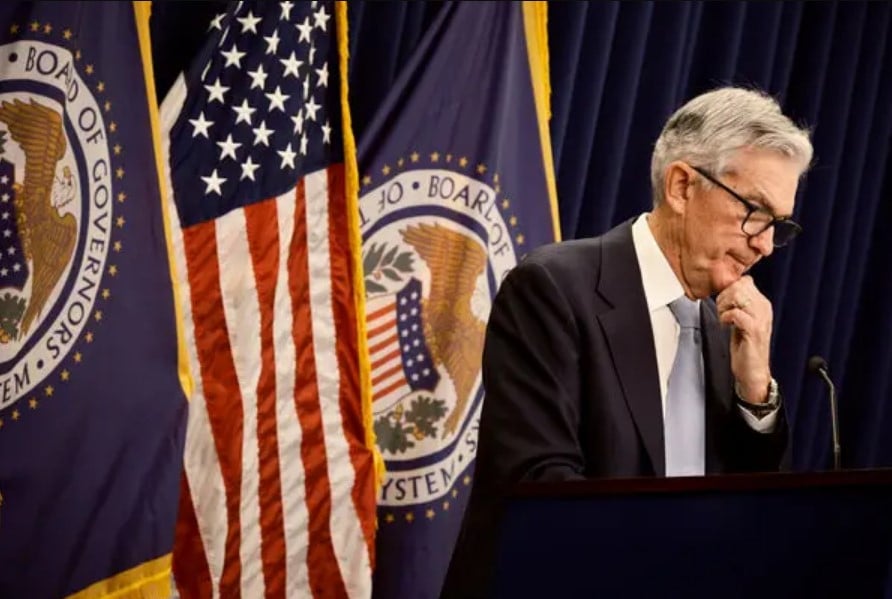
Fed Chairman Kevin Warsh addressed the split directly after the meeting. “I asked for a good family fight, and I got one,” he told reporters, acknowledging the depth of disagreement inside the committee. He also said the Fed “will deliver price stability” and would “not hesitate to act” if inflation failed to cool further, though he declined to lay out how policymakers might respond to specific economic outcomes, a departure from the more detailed forward guidance offered by his predecessors.
Bond markets responded by pricing in a greater chance of a rate increase at the Fed’s next meeting, and Treasury yields climbed following the vote and Warsh’s subsequent comments.
The central bank does not meet again in August. Its policymakers will instead gather for the Fed’s annual retreat in Jackson Hole, Wyoming, running from August 27 to 29, where Warsh’s remarks are expected to be closely parsed for signals ahead of the next scheduled policy meeting on September 15 and 16, when officials will deliver the Fed’s next rate decision.