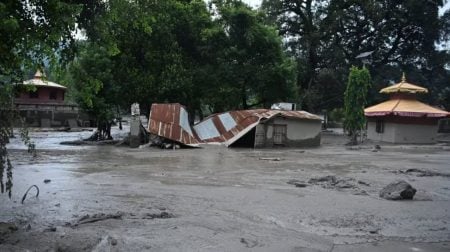
The Gandak River has become the focus of a downstream flood watch in Bihar after flash floods in Nepal raised the possibility of a sudden increase in water levels. India’s public broadcaster Akashvani reported that six districts—West Champaran, East Champaran, Gopalganj, Saran, Muzaffarpur and Vaishali—were placed under heightened vigilance along the Gandak river system.
Officials have asked people living in low-lying areas of Bagaha in West Champaran and parts of Vaishali to move to safer places early if conditions worsen. The warning is precautionary, but it reflects the speed at which water released or carried downstream from a major Himalayan flood can affect settlements far from the original disaster zone.
Akashvani reported that a National Disaster Response Force team was deployed in Gopalganj and Bettiah, with another team kept on standby in Muzaffarpur. Chief Minister Samrat Chaudhary also constituted a high-level team to monitor the situation. The instructions place emphasis on continuous observation rather than a single reading because river levels can change quickly after heavy rain, debris flows or operational changes at upstream structures.
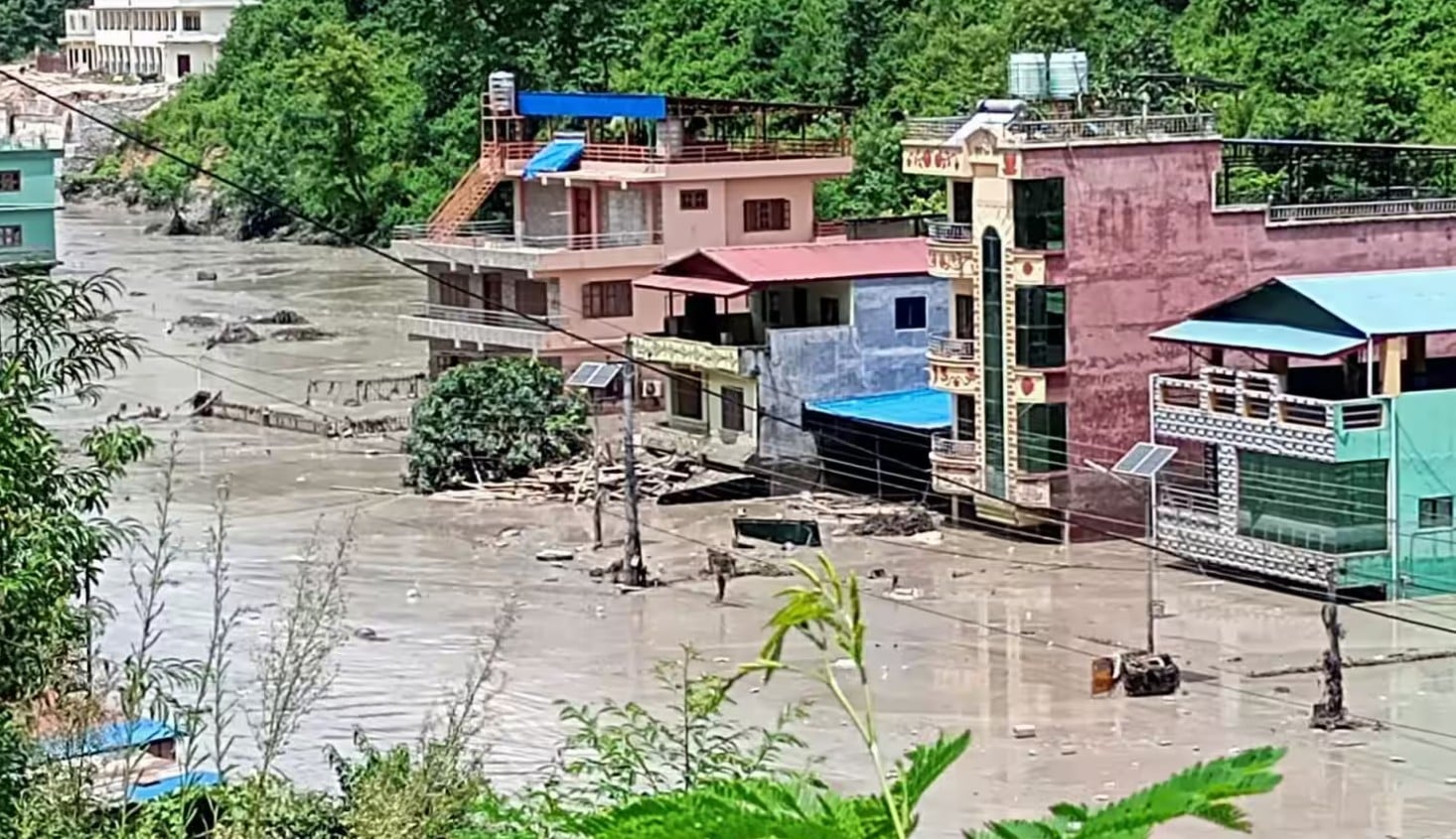
The state’s official flood information system showed the concern in its river-level readings on Wednesday. At Dumariaghat on the Gandak, the reported level was above the danger mark. Readings at Rewaghat and Hajipur were above their warning levels, while several stations on the Ganga, Kosi, Burhi Gandak and related rivers were also listed above warning or danger thresholds. These measurements are location-specific and should not be read as a forecast that every nearby village will flood.
The practical message for residents is to follow district administration notices, keep essential medicines and documents ready, and avoid crossing swollen channels or attempting to inspect riverbanks. The Gandak River alert also shows why Nepal and India share information during the monsoon. A flood response is strongest when rainfall, river gauges, rescue teams and local warnings are connected before water reaches homes. Authorities will need to keep updating the public as fresh readings arrive and as rescue work continues across the border.

Follow iNews Zoombangla On Google
Open the Google follow page and tap the checkmark option to receive more updates from iNews Zoombangla in your Google news feed.