Jahid Ikbal : The 10th anniversary of the Declaration of Peace and Cessation of War (DPCW) has renewed global discussions on strengthening international law to prevent war and promote lasting peace.
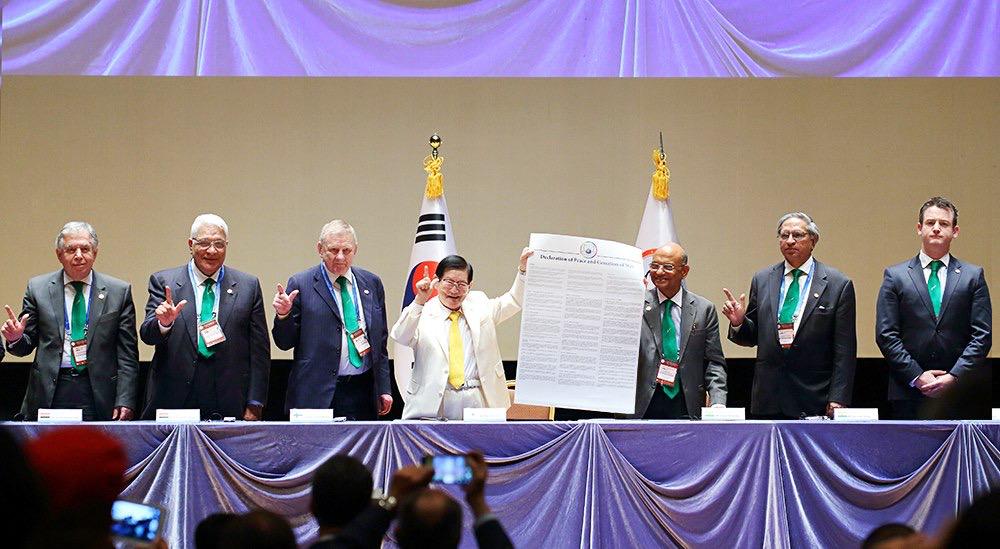
The declaration, proclaimed on March 14, 2016, was introduced as a framework to establish shared international standards for preventing armed conflict and resolving disputes peacefully. At a time when wars and geopolitical tensions continue to affect many regions of the world, the DPCW highlights the need to move beyond responding to conflicts after they occur and instead focus on preventing them through legal and institutional mechanisms.
The DPCW was proposed by Heavenly Culture, World Peace, Restoration of Light (HWPL), an international peace non-governmental organization committed to protecting lives from the devastation of war and building a sustainable global peace system.
The organization was founded based on the wartime experience of its chairman, Man-hee Lee, who served as a student soldier during the Korean War. Witnessing the destruction and loss caused by war led him to the conviction that young people should no longer be sacrificed in armed conflicts, a belief that later inspired the establishment of HWPL.
Over the years, HWPL has built an international network involving political leaders, religious communities, and civil society groups to promote peace initiatives. These efforts include peace education, interfaith dialogue, and discussions on strengthening international legal frameworks for peace.
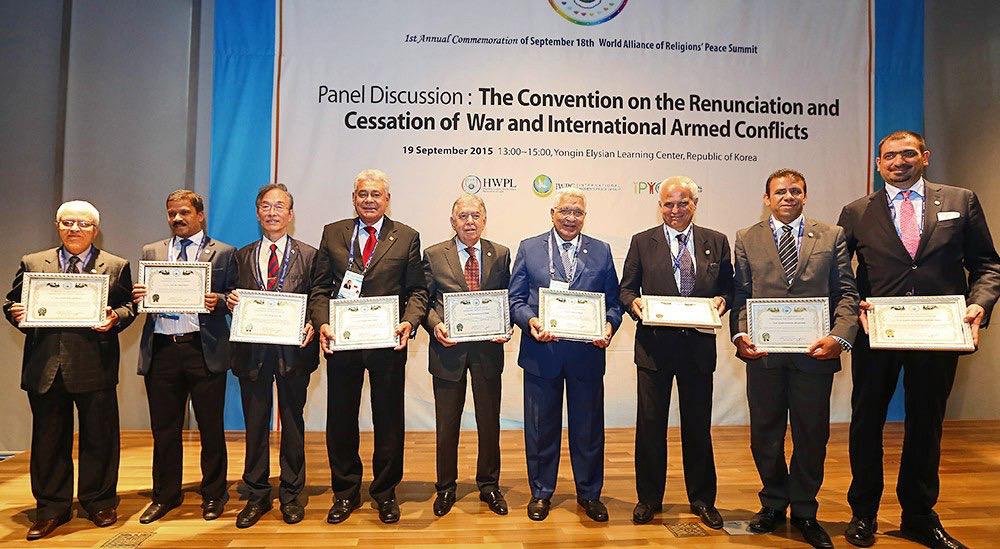
The foundation for the DPCW was laid during the HWPL World Peace Summit held in Seoul on September 18, 2014. The summit brought together 1,933 participants from 152 countries, including former and current heads of state, government officials, religious leaders, international law experts, and representatives of civil society.
Participants at the summit emphasized that responding to conflicts only after they erupt is insufficient to prevent recurring wars. Instead, they called for the establishment of international standards that would help prevent conflicts and institutionalize cooperation among nations.
Following the summit, HWPL formed the HWPL International Law Peace Committee (ILPC) in 2015. The committee, composed of international law experts from various countries, conducted legal reviews and consultations before finalizing the DPCW.
The declaration consists of a preamble and 10 articles containing 38 clauses. While grounded in the basic principles of existing international law, it aims to strengthen mechanisms that prevent armed conflict and promote international cooperation.
Key elements of the declaration include establishing clearer international standards regarding the use of force, outlining procedures for the peaceful resolution of disputes, strengthening international cooperation and collective security, guaranteeing freedom of religion, encouraging interfaith collaboration, and promoting a culture of peace with active participation from civil society.
Support for the DPCW has expanded over the past decade. Several international and regional parliamentary organizations have adopted resolutions supporting the declaration, including the Pan-African Parliament, the Central American Parliament, and the Latin American and Caribbean Parliament.
More recently, national legislatures such as the Chamber of Deputies of Paraguay, the Senate of the Dominican Republic, and the National Legislature of South Sudan have also passed resolutions endorsing the initiative.
Public support has also grown significantly. According to organizers, nearly 900,000 citizens from 178 countries have endorsed the declaration, reflecting increasing awareness and engagement among civil society regarding the need for stronger international norms to prevent war.
Advocates of the declaration argue that humanity must move away from resolving conflicts through military force and instead rely on legal frameworks, agreements, and cooperative institutions.
They emphasize that while conflicts between nations may continue to arise, the methods used to address them can evolve. Strengthening international law and shared responsibility among governments, religious communities, and civil society is seen as a crucial step toward building a sustainable global peace system.
As the DPCW marks a decade since its proclamation, supporters say the next challenge is to consolidate the progress made and further integrate peace-oriented legal standards into the international system, ensuring that disputes are resolved through dialogue and law rather than war.

Follow iNews Zoombangla On Google
Open the Google follow page and tap the checkmark option to receive more updates from iNews Zoombangla in your Google news feed.