Google says the Gemini app has passed one billion monthly users, a milestone that puts the assistant among the largest consumer AI services. Google’s announcement says voice use accounts for 63 percent of activity, that Gemini connects with more than 40 apps and that users generate more than 150 million images a day. TechCrunch reported the same expansion as a major scale story.
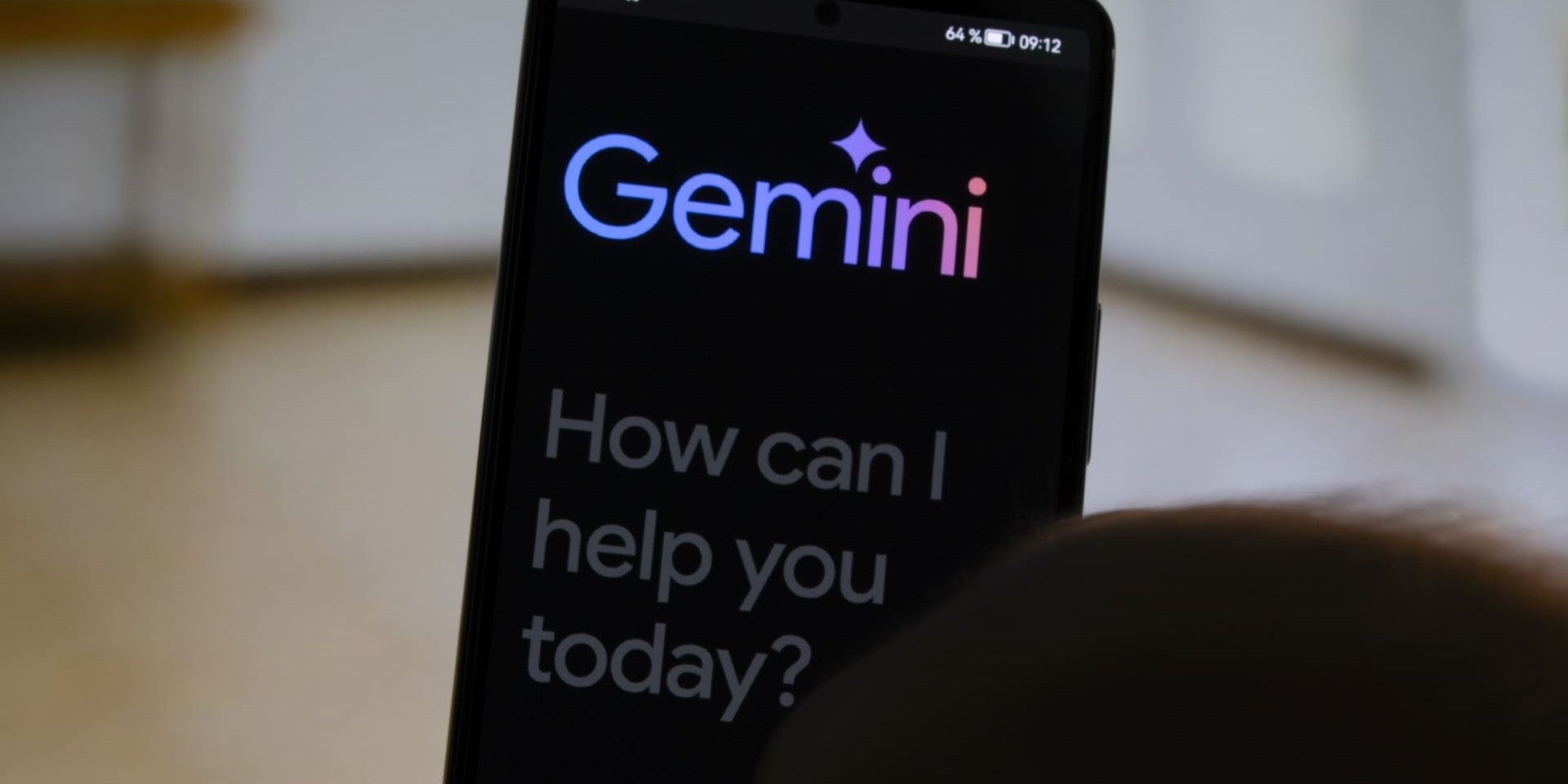
The numbers are company-reported usage figures rather than an independent measurement of unique people. Monthly users can include repeated activity across devices or accounts, and image-generation totals measure outputs, not necessarily completed tasks. Even with those qualifications, the figures show that AI is being integrated into ordinary search, communication and productivity habits rather than remaining a specialist tool.
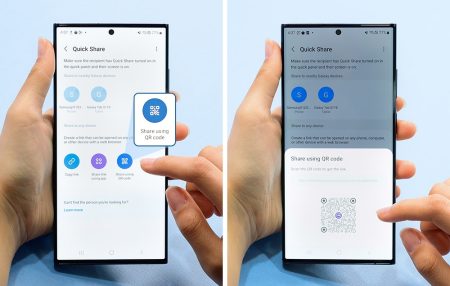
The app ecosystem is as important as the model. Google says Gemini can work with services and applications across its product family, allowing users to move from a question to a calendar, document, image or other task. That convenience also increases the importance of permissions, account separation and clear user controls because the assistant can touch more personal context.
Voice adoption suggests that people are using Gemini while moving, cooking or handling tasks that are awkward on a keyboard. Spoken interaction can be faster, but it can also create mistakes through accents, background noise or ambiguous commands. Users should review important outputs and avoid treating a conversational answer as a final authority in health, legal, financial or safety decisions.
The image figure highlights the scale of generative media. It also raises questions about storage, energy use, rights and the ability to distinguish generated material from documentary photography. Google’s milestone announcement focuses on usage, not on a complete provenance policy, so creators and publishers should read the separate product terms before using generated images commercially.
Gemini’s billion-user milestone is news because it turns adoption into a platform story. Google and TechCrunch provide the company’s scale claims and context, but the figures should not be read as proof that the assistant is accurate for every job. The next test is whether usage remains high when users demand reliability, transparency and control across connected services.

Follow iNews Zoombangla On Google
Open the Google follow page and tap the checkmark option to receive more updates from iNews Zoombangla in your Google news feed.