Google’s Pixel Tag is positioning itself as a small, lower-cost tracker for the Android ecosystem, with a $29 single-unit price, a $99 four-pack and a user-replaceable CR2032 battery. Google says the device works with Find Hub across more than one billion Android devices and is expected to arrive on November 11.
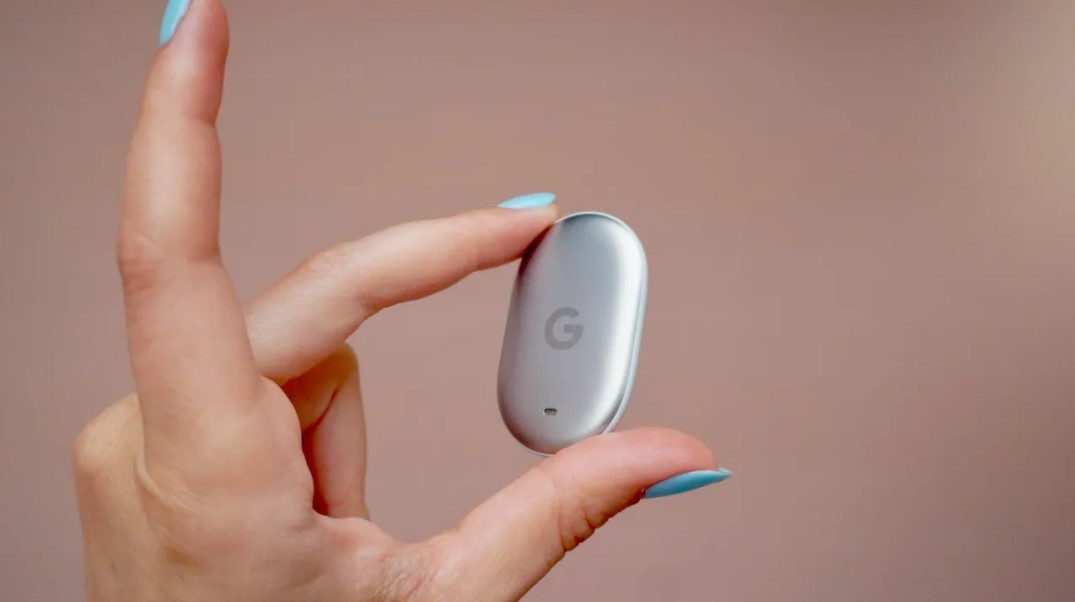
The tracker’s appeal depends on network scale. A tag can broadcast a short-range signal, but its location becomes useful at a distance only when compatible nearby devices report the signal through the platform. Google’s Find Hub claim describes the potential reach of the network; actual recovery depends on crowd density, device settings, radio conditions and whether the tag still has power.
A replaceable coin-cell battery is a practical design choice. It avoids sending the whole tag to a service centre or discarding it when the first cell runs down. Google says the battery should last more than a year under its conditions, but usage, temperature and connection frequency affect real life. Users should follow safe handling and disposal guidance for button cells.
TechCrunch’s coverage places Pixel Tag in direct competition with AirTag and other Bluetooth trackers. The comparison is about more than price: compatibility, unwanted-tracking protections, precision finding and the quality of the companion app can matter more than the tag itself. Android users should verify phone support and Find Hub settings before buying a multipack.
Privacy safeguards are a core part of any tracker story. A lost-item device can be misused for unwanted monitoring, so users should pay attention to unknown-tracker alerts and keep their operating system updated. The cited launch material does not establish that all protections behave identically on every Android phone, which is why device-specific support pages remain important.
Pixel Tag is news because Google is turning Find Hub’s network into a direct consumer hardware proposition. The official price and battery details are clear, while independent coverage adds the competitive context. The final test will be availability, network performance and privacy behaviour when the tag reaches users in November.

Follow iNews Zoombangla On Google
Open the Google follow page and tap the checkmark option to receive more updates from iNews Zoombangla in your Google news feed.