A new website called Have I Been Flocked lets drivers check whether police have searched their license plate through Flock Safety’s automated camera network, adding fuel to a monthslong backlash over the technology.
The site, at haveibeenflocked.com, compiles audit logs that police departments have released through public records requests. Users type in a plate number and see whether an agency in the database queried it, and if so, roughly when.
A hit on the site does not mean a driver was pulled over or investigated. It only shows that someone with access to the Flock system ran a search on that plate. The site says it does not store or log the plate numbers people enter.
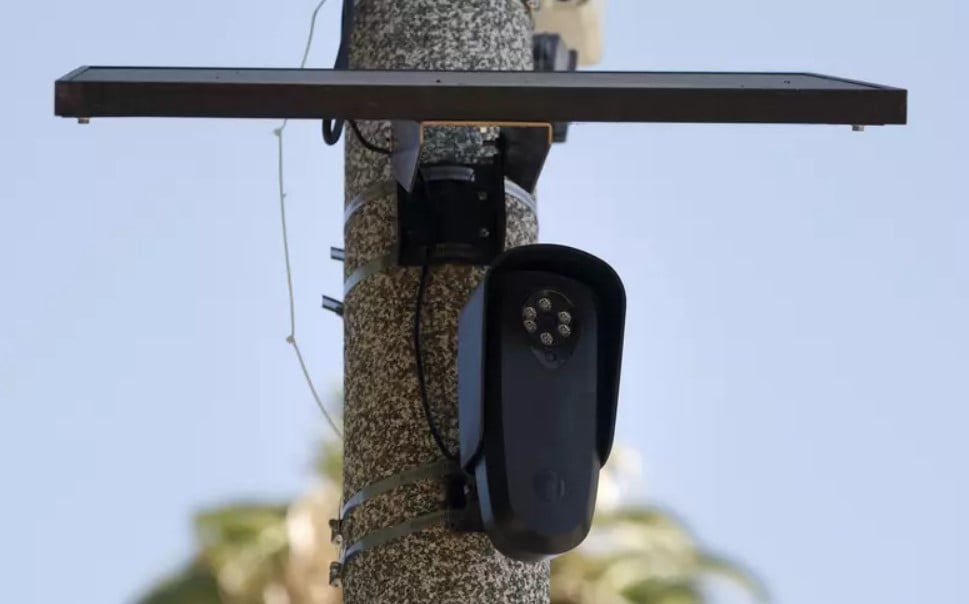
Flock Safety’s network of automated license plate readers is used by thousands of police departments nationwide to track vehicle movements. Reporting this month has documented cases of officers running searches outside their jurisdiction or without a clear law enforcement purpose, feeding demands for tighter rules.
Facing the pressure, Flock announced a set of changes this month. The company is cutting its default data retention window from 30 days to seven unless a search is flagged for preservation, making its audit tools mandatory for every customer, and requiring case numbers on all law enforcement searches by the end of 2026.
Lawmakers have not been satisfied. A West Virginia legislative committee spent more than an hour questioning Flock’s director of government affairs, Kevin Kane, this month and came away unimpressed with his answers. Federal lawmakers including Senator Ron Wyden have also pressed the company on data security and privacy.
Critics argue the reforms sidestep the core complaint. None of Flock’s announced changes require police to obtain a warrant before searching the database, which privacy advocates say is the only real safeguard against mass surveillance. For now, the burden of proving a search was legitimate still falls almost entirely on the public records that departments choose to release.

Follow iNews Zoombangla On Google
Open the Google follow page and tap the checkmark option to receive more updates from iNews Zoombangla in your Google news feed.