The Welcome Table, an HBO original documentary, premiered June 23 on HBO and HBO Max, examining mass climate migration through music, performance, and human resilience.
The film is written, produced, and directed by Josh Fox, an Academy Award-nominated and Emmy-winning filmmaker. Fox brings his documentary eye to a crisis most people know only in abstract terms.
Climate change forces people from their homes. One in three people globally will lose their homes due to climate-driven impacts. That’s not projection or speculation. It’s demographic fact. The Welcome Table puts faces and voices to that statistic.
The documentary follows climate refugees across six continents. Rather than dwelling on loss, the film celebrates how communities endure. People create meaning and connection even as their worlds shift beneath them.
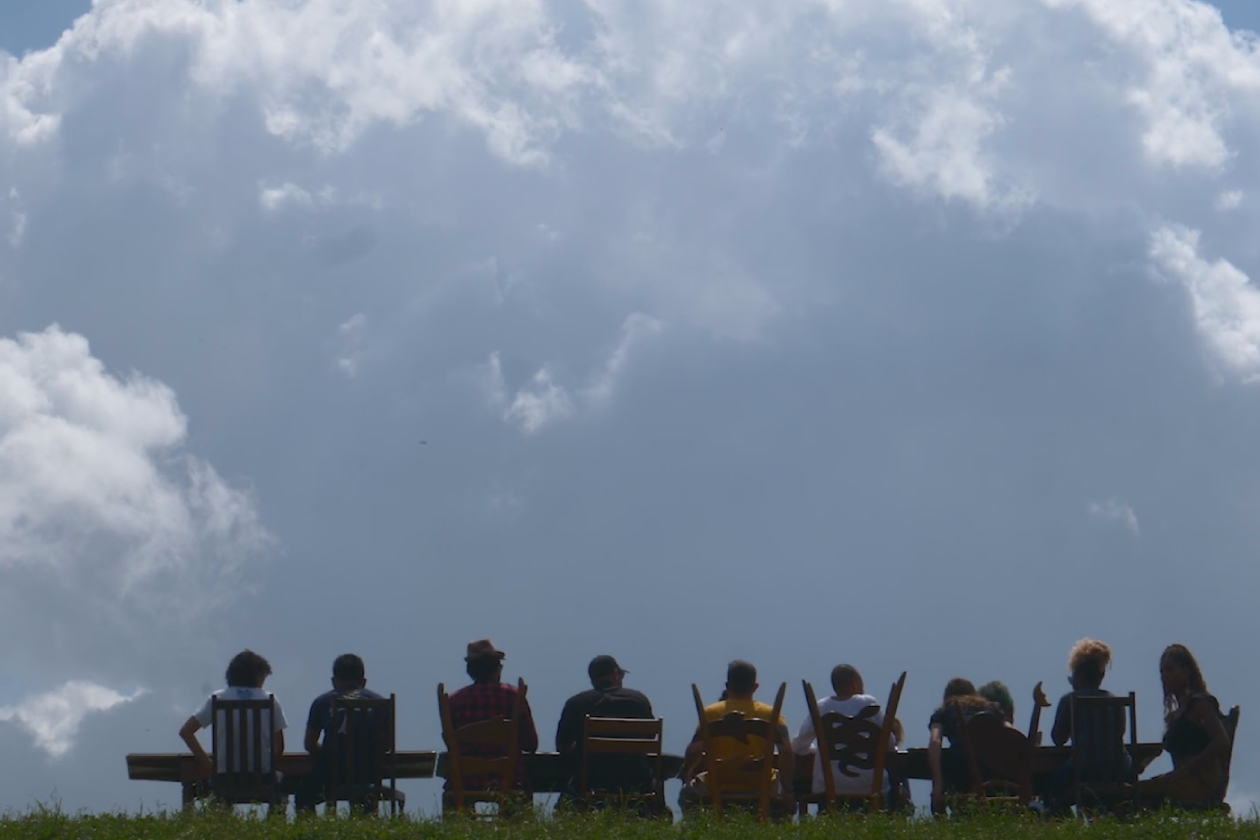
The climax features a thousand-foot table constructed on the New Orleans levee. People gather, eat, sing, and share meals. The table becomes a symbol of connection, a physical manifestation of community resistance.
New Orleans itself anchors the story. The city knows displacement. Hurricane Katrina displaced hundreds of thousands. Climate migration is the next wave. Survivors already understand trauma and reconstruction.
The soundtrack features John Boutté and celebrated New Orleans musicians. Music threads through the narrative. It’s how communities express what words cannot contain.
Actor John Cameron Mitchell appears in the film. His presence brings additional dimension to the storytelling. The documentary doesn’t rely on talking heads alone.
Fox’s previous films examined environmental crises directly. Gasland tackled fracking. How to Let Go of the World looked at war. The Welcome Table continues his mission of making invisible problems visible.
The film runs two hours and fifteen minutes. That length allows narrative breathing room. Climate migration deserves space to unfold, not a compressed summary.
HBO’s platform gives the documentary significant reach. People who might never seek out environmental cinema will encounter it on their streaming service. That accessibility matters.
The Welcome Table doesn’t offer solutions because there aren’t easy ones. Instead, it offers something equally important: witness. It says these lives matter. These stories deserve telling. This crisis is real and human.
Climate migration will reshape civilization over the coming decades. The Welcome Table asks viewers to see the people in that reshaping. That perspective shift is the film’s deepest contribution.