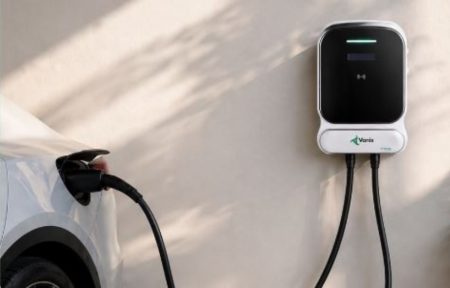
India’s passenger-vehicle market recorded a notable change in August. CNG, hybrid and electric models together represented 42% of retail car sales, edging past petrol’s 41% share for the first time, according to an Equirus Securities analysis reported by Autocar Professional and Business Today.
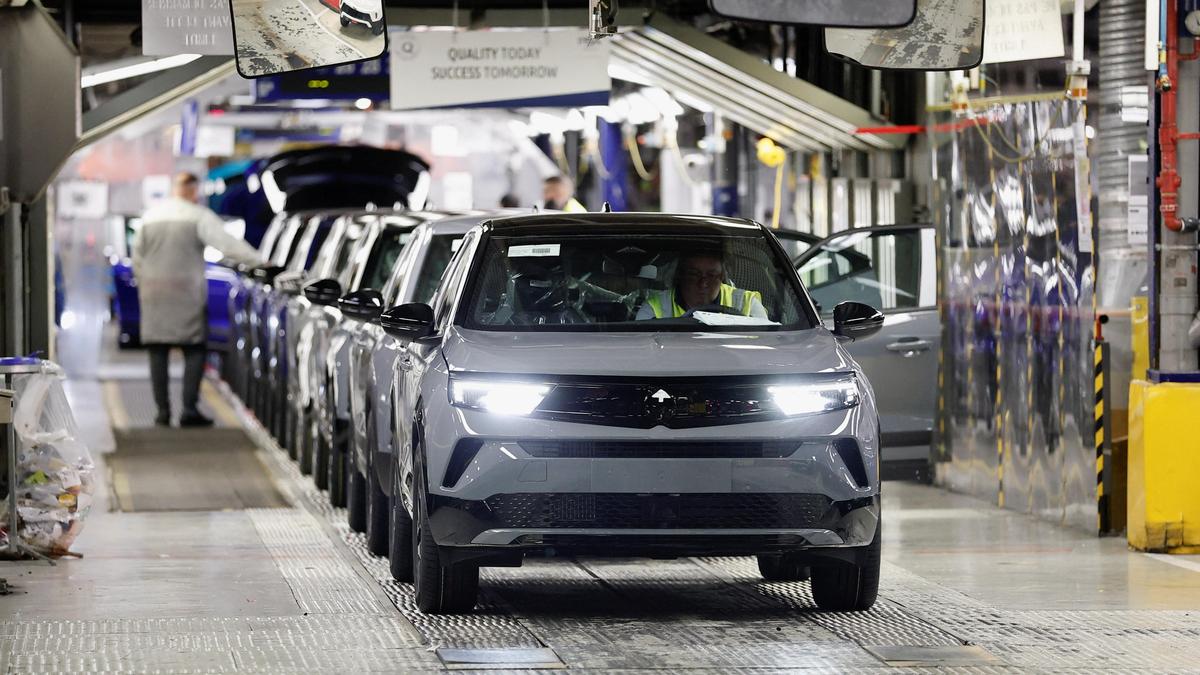
The India auto electrification August 2026 data also shows that the shift is broader than electric cars alone. Passenger-vehicle retail sales rose 16% year on year to about 401,000 units. Petrol’s share fell from 46% a year earlier to 41%, while CNG reached 25%, up from 21%. Diesel accounted for about 17% of the market.
That mix matters for automakers because customers are spreading demand across several powertrain choices. CNG remains a familiar option for buyers who want a conventional engine with a different fuel cost profile. Hybrids offer electric assistance without requiring the same charging routine as a battery-electric car. EVs add a separate ownership model built around charging access and battery capacity.
Hybrid demand was not uniform. Mild hybrids grew 16% from July and 55% from a year earlier, lifting their share to 7% of passenger-vehicle retail sales. Strong hybrids fell 20% month on month and 16% year on year, leaving them with a 2% share. The results suggest that the word hybrid covers very different products and customer decisions.
Electric-car sales still made a strong contribution. They rose 52% year on year to about 30,700 units, taking EV penetration to 7.7% from 5.9% in August 2025. August was slightly below July’s 8.1% EV penetration, but it remained the third-best month in the available series. A single monthly comparison therefore does not erase the longer annual increase.
Tata Motors held about 43% of the electric-car market in the report, while Mahindra and Mahindra was near 21% and JSW MG Motor was around 15%. Maruti Suzuki, which is newer to the electric-car market, reached about 5%. Across all passenger vehicles, Maruti had roughly 41% share, Tata Motors about 14%, and both Mahindra and Mahindra and Hyundai were near 12%.
Regional numbers need careful reading. Delhi recorded electric-car penetration of about 19%, but the report said a large electric taxi fleet supplied by VinFast contributed to that result. After removing that fleet, the underlying figure was estimated at 12% to 14%, still above the national average but not the same as a typical private-car market.
The change also reaches other vehicle segments. Electric two-wheeler sales rose 67% year on year to about 183,000 units, although they were 11% below July’s record. Electric two-wheelers held 10.7% penetration. Electric three-wheelers reached 65% of the segment, while the L5 passenger-and-cargo category crossed 50% electric penetration for the first time in the available series.
Electric buses had their strongest month in the report, with 910 units sold in August, up 126% year on year. Autocar Professional noted that bus deliveries can move unevenly because large tenders and delivery schedules create spikes. For carmakers, the wider message is that India’s market is no longer organized around one default powertrain. Product planning, supply chains and retail networks will have to serve CNG, hybrid and electric demand together as the next buying season develops.

Follow iNews Zoombangla On Google
Open the Google follow page and tap the checkmark option to receive more updates from iNews Zoombangla in your Google news feed.