Vanix Technologies is targeting more than 10,000 EV charger deployments over the next three to five years as the Hyderabad startup develops an adaptive platform for different grid conditions and charging standards. Autocar Professional reported the plan on September 4, 2026, after speaking with the company about its early installations and technology roadmap.
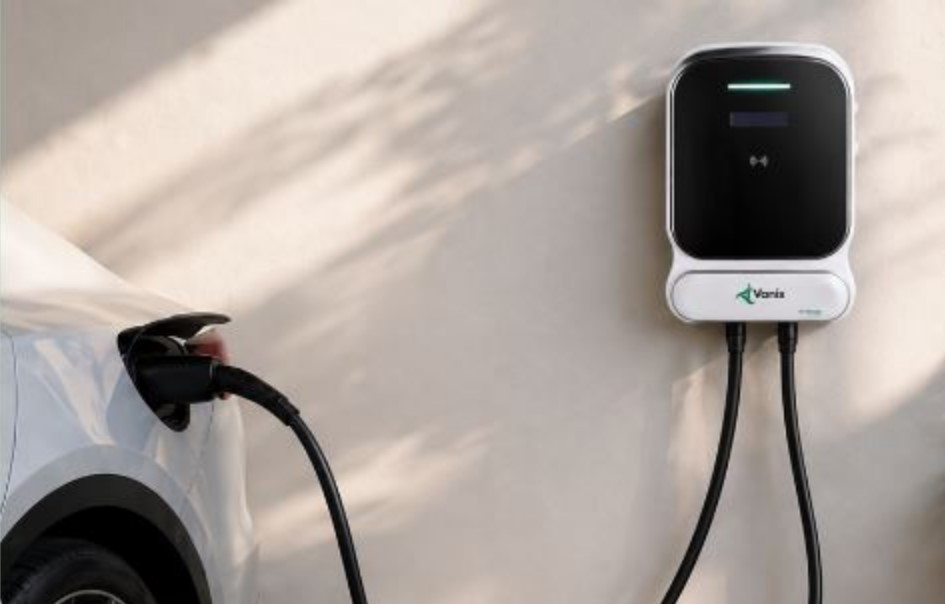
The Vanix EV charger deployments currently include 20 paid residential units across Telangana, Uttar Pradesh, Maharashtra, Andhra Pradesh, Delhi and Punjab. The company told Autocar Professional that those chargers completed about 600 sessions over roughly two months, delivering approximately 9,500 kilowatt-hours across around 2,700 hours of charging time.
Vanix expects about 1,500 units to form the next stage of the rollout. India is expected to account for most of the planned installations, while the company is also looking at the Middle East, Southeast Asia and other export markets. The three-to-five-year figure is a company target, not a completed order book or a guaranteed deployment total.
The startup says its field sites are helping it test how an EV charger behaves in different homes and local power conditions. The installed vehicles include models from Tata, MG, Hyundai, Suzuki, Kia and Mahindra. A house in Punjab may have a different supply environment from one in Hyderabad, so a fixed charging assumption may not work equally well at every location.
Vanix’s approach includes Dynamic Load Balancing, which lets multiple chargers communicate and share the electrical capacity available at a site. Its Eco Modes are intended to consider peak utility hours, building loads and seasonal changes in demand. These features could help a residential complex add charging points without treating every charger as an isolated load, although real performance will depend on the property and its electrical system.
The platform uses an AMD Zynq adaptive system-on-chip. Vanix says its 7.4-kilowatt, 11-kilowatt and 22-kilowatt AC chargers share a controller, with real-time safety and control functions handled alongside upgradeable software. The company is also developing DC chargers in the 3-kilowatt to 15-kilowatt range for electric two- and three-wheelers.
Vanix is positioning the controller as a way to support future functions, including renewable-energy integration, battery-aware charging and vehicle-to-grid operation. The company also says those features depend on vehicle communication and regulation. It does not describe vehicle-to-grid as a finished mass-market service, and the current Type 2 AC protocol does not provide every battery detail a charger would need for advanced scheduling.
Artificial intelligence is another part of the roadmap rather than a completed product claim. The current platform combines telemetry, load management, real-time control and cloud connectivity. Vanix is developing an AI and analytics layer for possible predictive maintenance, energy optimisation and load management. AMD’s own automotive material describes Zynq platforms as suitable for real-time control and adaptive vehicle systems, but that general capability does not independently confirm Vanix’s future deployment results.
Connected chargers also create security responsibilities. Vanix says its design includes secure boot, device identity, protected firmware, encrypted communication, authentication, access controls, secure over-the-air updates and monitoring. The company believes a charger installed in 2026 should remain adaptable and secure several years later, but reaching 10,000 deployments will require manufacturing capacity, customers and successful field execution beyond the 20 paid units already reported.

Follow iNews Zoombangla On Google
Open the Google follow page and tap the checkmark option to receive more updates from iNews Zoombangla in your Google news feed.