India is watching the Iran-US peace process closely, balancing support for a ceasefire that would reopen critical oil supply lines with unresolved anger over the deaths of Indian sailors in US airstrikes on oil tankers near the Strait of Hormuz. New Delhi has filed two formal diplomatic protests with Washington but has stopped short of opposing the deal publicly.
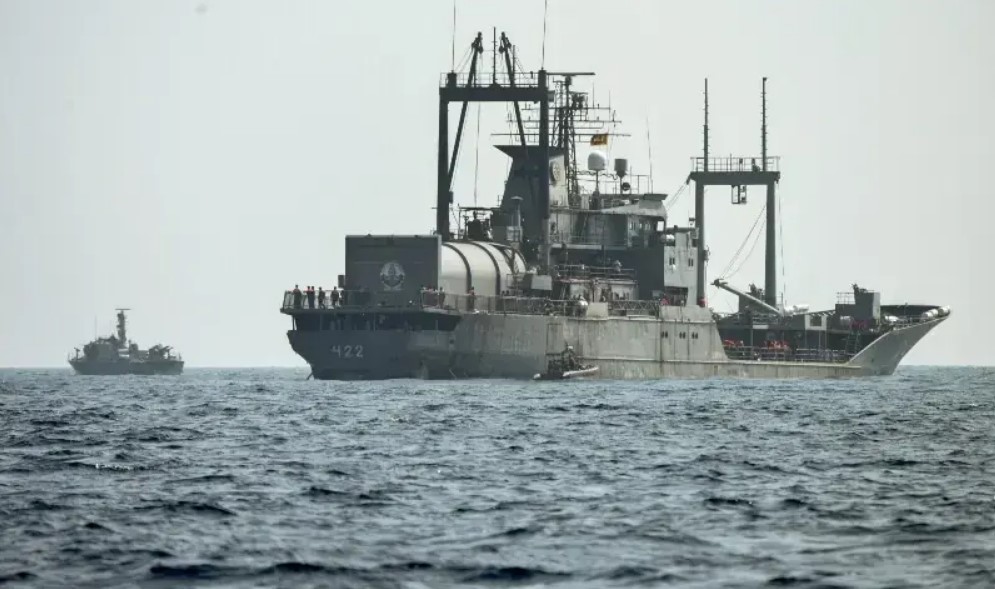
Three Indian sailors were killed when a US strike hit an oil tanker near the Strait of Hormuz in June. A second strike in the same period killed additional Indian crew members on a separate vessel. India’s foreign ministry summoned the US ambassador on both occasions and demanded a full explanation of the circumstances, including why commercial vessels with Indian crew were struck.
Washington said both strikes targeted Iranian military assets and that the commercial vessels were in restricted zones designated by the US military. India disputed that characterization and said it had received no warning that international shipping lanes would be targeted. The matter remains a formal open point between the two governments, even as their strategic partnership has otherwise remained intact.
India’s interest in a ceasefire is significant. The country imports more than sixty percent of its oil from Gulf sources and had been forced to pay sharply higher prices for rerouted crude since the Strait of Hormuz closed in March. The Reserve Bank of India cut its growth forecast for the fiscal year ending March 2027 to 6.6 percent from 7.2 percent, citing the oil price shock as the primary reason for the downgrade.
A successful Islamabad Declaration would reopen the strait and gradually restore oil flows, benefiting India’s economy directly. New Delhi is therefore in the awkward position of wanting the deal to succeed while holding an unresolved grievance against the US — its most important strategic partner — over the deaths of its citizens.
Prime Minister Narendra Modi has not spoken publicly about the sailor deaths in recent days. His government has used diplomatic channels rather than public statements to press Washington. Several opposition parties have demanded a stronger public response, calling the deaths an unacceptable consequence of a US military operation in which India had no voice.
India also has a long-standing relationship with Iran that predates the Islamic Republic. New Delhi maintains economic and energy ties with Tehran that exist alongside its security partnership with Washington, a balancing act that has become more difficult since the war began. India’s economy was among the harder-hit by the oil shock this year. India also has strategic interests in the port of Chabahar in southern Iran, which it has been developing as a trade corridor to Afghanistan and Central Asia. New Delhi’s second protest was filed earlier this month. Whether the Islamabad Declaration addresses India’s concerns about maritime safety in the Gulf remains to be seen.

Follow iNews Zoombangla On Google
Open the Google follow page and tap the checkmark option to receive more updates from iNews Zoombangla in your Google news feed.