The United States and Iran moved within striking distance of a formal ceasefire agreement on Sunday, as Vice President JD Vance arrived in Europe and both sides confirmed the deal’s full text had been agreed. Pakistan’s Prime Minister Shehbaz Sharif said a signing could take place within twenty-four hours.
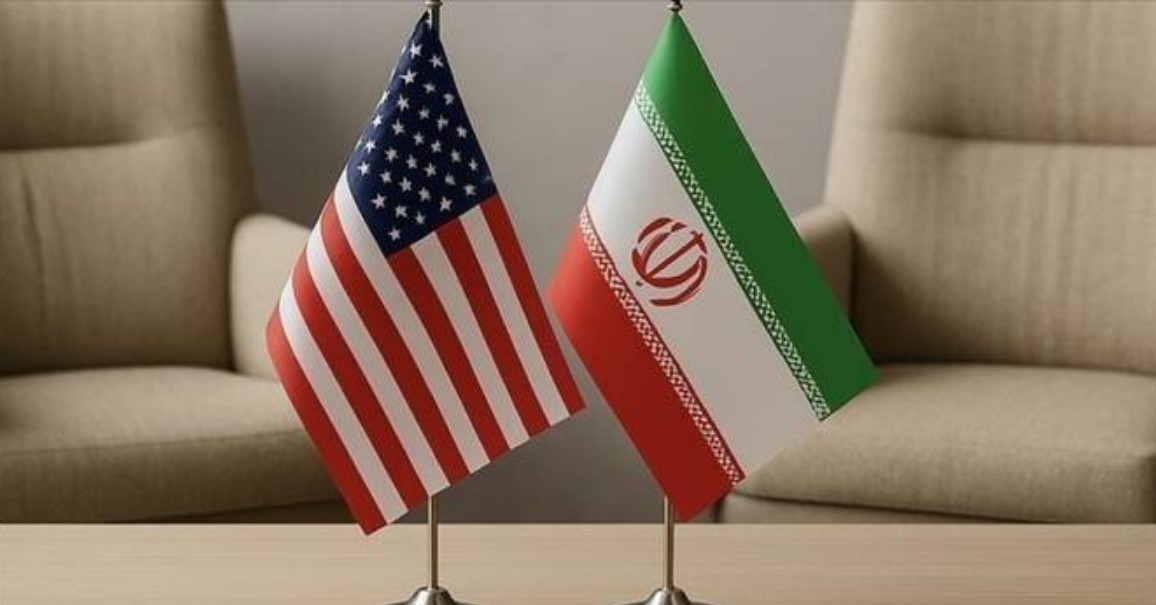
The document is informally called the Islamabad Declaration, a name that honors Pakistan’s role as the principal mediator throughout more than three months of war. Pakistani Field Marshal Asim Munir shuttled between Washington and Tehran carrying draft language in the weeks before the ceasefire.
Under the terms, Iran agreed to a ceasefire on all fronts, including in Lebanon where it backs Hezbollah. The United States would lift sanctions on Iranian oil and unfreeze billions of dollars in Iranian funds held abroad. Iran’s foreign ministry said Friday the final wording was still under active review.
One point of contention remains. Iran’s 440 kilograms of enriched uranium will not be moved or reduced as a condition of signing. That issue, along with verification protocols and inspection arrangements, is deferred to sixty days of follow-on nuclear talks. Tehran insisted it would not accept any pre-conditions on its stockpile.
Trump said Friday he expected a signing “very soon, maybe over the weekend.” He is due to hold sideline meetings at the G7 summit in Evian, France starting Monday with the leaders of Egypt, Qatar, and the United Arab Emirates to align on implementation of the deal.
The war began February 28, when US and Israeli strikes killed Iranian Supreme Leader Ali Khamenei. The fighting shut the Strait of Hormuz and pushed Brent crude above ninety dollars a barrel. Oil fell more than three percent Friday on reports the agreement was near. Iran’s oil supply has been frozen from global markets since March.
Britain and France have warships already positioned near the strait and said they stand ready to lead a demining coalition once hostilities formally pause. Both countries have reached out to more than thirty-five nations to assemble a clearing force under a NATO-adjacent structure.
Iran’s foreign ministry spokesperson Esmaeil Baghaei struck a careful tone Sunday. He said large parts of the text were agreed but declined to confirm a date or venue. Iran’s semi-official Fars news agency called reports of an imminent Sunday signing premature, describing them as reflecting American wishes rather than a final outcome. More details on the Vance Geneva timeline were reported Saturday.
For Pakistan, the deal represents a diplomatic breakthrough. Islamabad hosted the first full-format US-Iran talks in April. Sharif said Sunday he was proud the final document bears his country’s name. Pakistan’s position as a country with ties to both Washington and Tehran made it a rare viable go-between in a conflict that drew in Israel, the Gulf states, and global shipping networks. Pakistan’s role in stabilizing the region has drawn wide acknowledgment from G7 governments.
The deal’s full terms, including a framework for broader US-Iran normalization, are expected to be disclosed at a formal press event after signing. Officials from both countries said the ceremony could take place in Geneva, though Tehran has not confirmed the location. Follow-on talks on the Hormuz reopening are expected to begin within a week of signing.

Follow iNews Zoombangla On Google
Open the Google follow page and tap the checkmark option to receive more updates from iNews Zoombangla in your Google news feed.