Instagram users are raising concerns over a newly released feature called “Instants,” after some people unintentionally shared disappearing photos with others without fully understanding how the tool works.
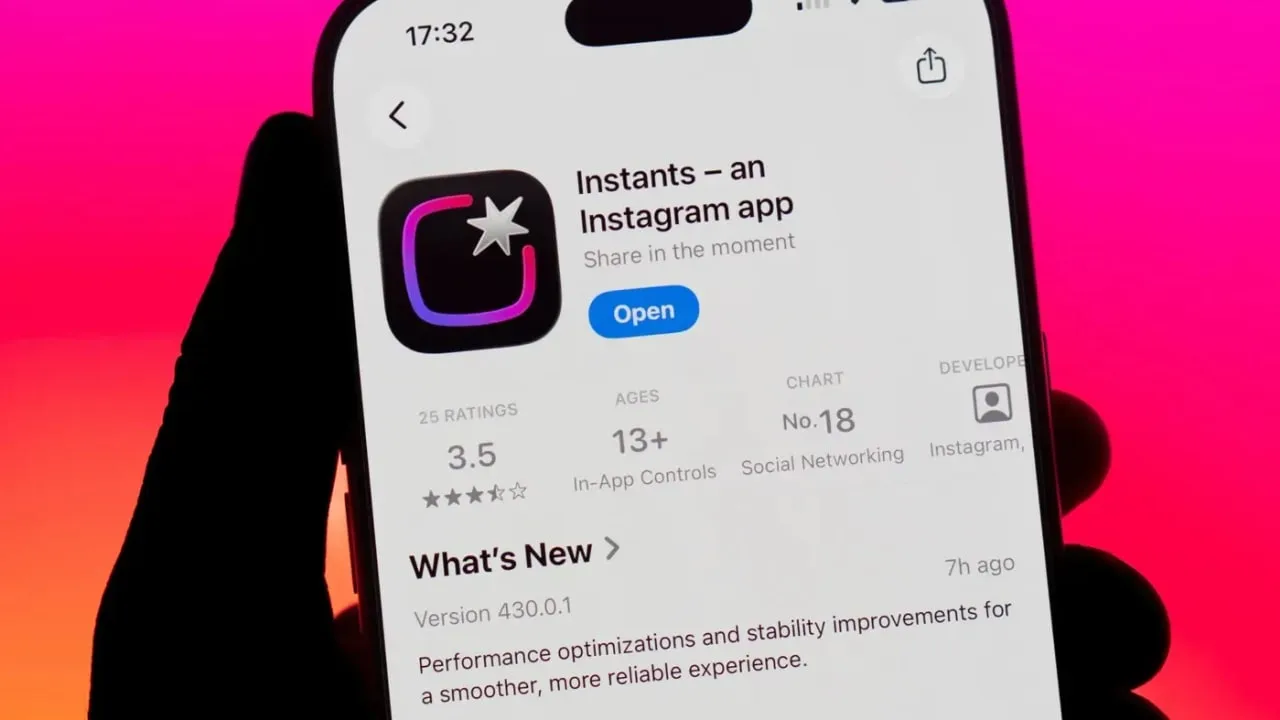
The feature, which has rolled out globally on the Meta-owned platform, is designed to encourage users to share more spontaneous and authentic moments. It appears inside Instagram’s direct messaging inbox and can be accessed by tapping a small photo stack icon in the bottom-right corner of the screen.
When users open the section for the first time, Instagram presents a short introduction explaining that Instants disappear after viewing, do not include a viewers list, and keep reactions and replies private. The app then moves quickly into a walkthrough showing how users can react to and create Instants.
The confusion appears to begin once the camera interface opens.
Below the camera viewfinder is a shutter button, and beneath that sits a toggle allowing users to choose between sending a photo to “Friends” or “Close Friends.” The default setting is “Friends.”
What many users did not immediately realize is that pressing the shutter button automatically sends the captured image to everyone on their Friends list unless the setting is manually changed beforehand.
Because Instagram does not clearly emphasize the automatic sending process during setup, some users have reported accidentally sharing photos with people they did not intend to contact. In some cases, users said they were not even aware a photo had already been sent.
Meta includes an “undo” option after an image is shared, but the prompt can be easy to overlook during what some users described as a confusing or uncomfortable moment.
The reaction reflects a broader mismatch between the feature’s design and the habits many Instagram users have developed over time. On a platform where people are used to reviewing, editing, and carefully curating posts before publishing them, the instant-send format has unsettled some users who feel they were not given enough clarity before images were distributed.
As frustration spread, many users began searching for ways to disable the feature entirely or unsend photos that had already been shared accidentally.
The rollout has drawn attention not only because of the feature itself, but because of how quickly the sharing action occurs. For users accustomed to multiple confirmation steps before posting content publicly or privately, the experience has highlighted how changes in interface design can affect expectations around privacy and control.
Read More:
Samsung Expected to Broaden Foldable Push at July Galaxy Unpacked Event
For now, users navigating Instants are being encouraged to pay close attention to the audience setting displayed beneath the camera before taking a photo.

Follow iNews Zoombangla On Google
Open the Google follow page and tap the checkmark option to receive more updates from iNews Zoombangla in your Google news feed.