SpaceX began trading on the Nasdaq Stock Exchange on Friday under the ticker symbol SPCX, priced at $135 a share. The company raised $75 billion in the offering, making it the largest initial public offering ever recorded. Alibaba’s 2014 US listing, at $25 billion, had held the previous record.
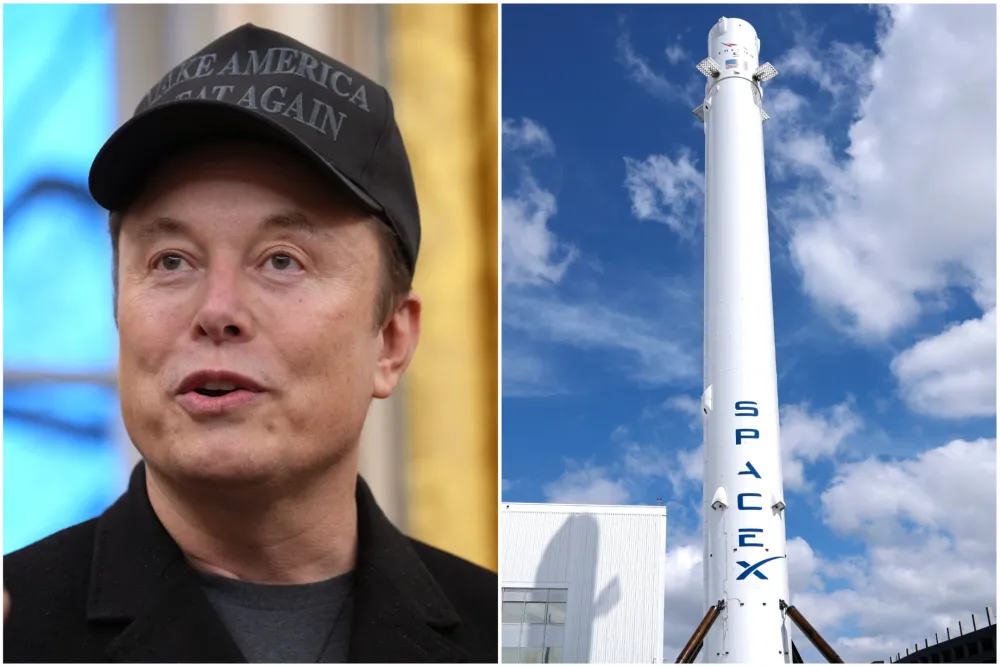
The offering values Elon Musk’s rocket and satellite company at $1.77 trillion, placing it seventh among US public companies by market capitalisation. SpaceX sold 555.6 million shares, with 30 percent allocated to retail investors. That is three to six times the typical retail share in a major IPO.
Investor demand during the roadshow reached approximately $150 billion, about double the amount the company sought to raise. Musk retains over 82 percent of voting control following the listing. Goldman Sachs led the underwriting, with Morgan Stanley, Bank of America, Citigroup, and JPMorgan Chase also involved.
SpaceX operates the world’s most active rocket launch programme. Its Starlink satellite internet service now serves tens of millions of customers globally, with subscribers more than doubling over the past 18 months. The company holds major contracts with NASA, the US Department of Defense, and commercial satellite operators. Revenue and profit figures were disclosed in a prospectus filed with the Securities and Exchange Commission ahead of the listing.
The IPO arrives amid a turbulent period for global markets. The US-Iran war has pushed fuel prices higher since late February, raising launch costs. SpaceX continued launching satellites and cargo missions throughout the conflict, which analysts said demonstrated the company’s operational resilience ahead of the offering.
Several cryptocurrency exchanges moved ahead of the Nasdaq debut to offer tokenized access to SpaceX shares. Bybit opened its platform this week, allowing retail investors to buy shares backed one-to-one by real equity held in regulated custody. Kraken also opened SpaceX subscription access in over 110 countries. The broader technology sector has seen renewed investor interest in space infrastructure alongside software and AI.
SpaceX’s valuation puts it ahead of Tesla, which carries a market cap of around $1.6 trillion. The company was privately valued at $350 billion before the IPO process started, meaning the listing more than quintupled that figure. It joins a wave of major technology companies pursuing public listings in 2026. The AI industry’s own listing cycle has run in parallel, with Anthropic filing earlier this year at a $965 billion valuation. The full IPO prospectus is available on the Securities and Exchange Commission website for investors to review. SpaceX stock opened modestly above its $135 offer price in the first hours of Friday trading on the Nasdaq.

Follow iNews Zoombangla On Google
Open the Google follow page and tap the checkmark option to receive more updates from iNews Zoombangla in your Google news feed.