Iran announced Saturday that the state funeral for Supreme Leader Ayatollah Ali Khamenei will begin in Tehran on July 4 and conclude with his burial in the northeastern holy city of Mashhad on July 9. A ceremony in the city of Qom is also planned for July 7.
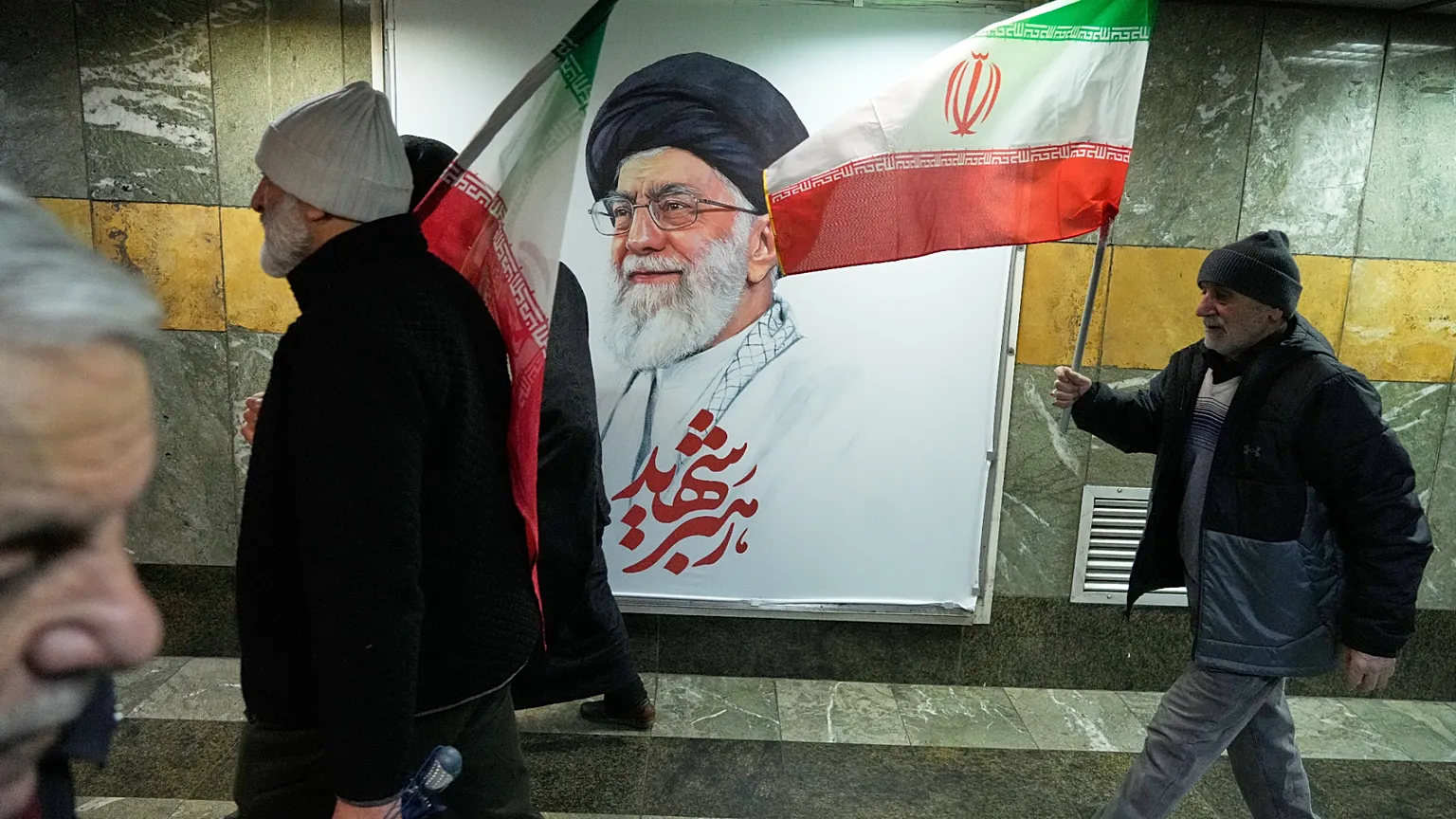
Khamenei was killed on February 28, the first day of joint US and Israeli airstrikes against Iran. He was 86 years old and had led the Islamic Republic for thirty-six years, making him one of the longest-serving leaders in the modern Middle East. His death triggered an immediate succession process that ended with his son, Mojtaba Khamenei, being chosen by the Assembly of Experts on March 9.
The funeral was delayed by more than four months because of the war. Iranian officials initially planned a three-day state ceremony in early March but postponed it as fighting continued and access to Tehran remained uncertain for foreign dignitaries. Government sources said the decision to set July dates reflects growing confidence that a peace deal will be signed before then.
Millions of Iranians are expected to line the streets of Tehran as the body is carried through the capital. State television in Iran aired the announcement on Saturday evening, and officials said preparations for the event are now formally underway.
The burial site in Mashhad, near the shrine of Imam Reza, holds particular religious significance for Shiite Muslims. Khamenei himself was born in Mashhad and is expected to be interred near one of the most visited pilgrimage sites in the Islamic world.
International leaders who opposed Iran during the war are unlikely to attend, but representatives from allied governments and pro-Iranian factions in Lebanon, Iraq, and Yemen have been invited. Hezbollah said it will send a senior delegation. Iran’s new supreme leader, Mojtaba Khamenei, is expected to preside over the main ceremonies.
The announcement came as the United States and Iran moved close to signing a formal ceasefire agreement. Analysts said holding the funeral before the peace deal takes full effect was symbolically important for Iran’s political establishment, as it allows the country to mourn publicly without the optics of a grieving nation simultaneously signing an accord with the country that killed its leader. Background on the Iran deal progress has been widely covered this week.
Human rights groups noted that Khamenei’s tenure was marked by systematic repression of political opposition, restrictions on press freedom, and the violent suppression of protests in 2019 and 2022. Supporters called him the defender of the Islamic Revolution and a bulwark against Western interference. His death set in motion the political transition that is now reshaping Iran’s relationship with the world, with peace talks and a possible opening of the Strait of Hormuz as the most immediate consequences. Many regional observers are watching to see whether Mojtaba Khamenei consolidates the same level of authority his father held, or whether regional economic recovery reshapes Iran’s power structure.

Follow iNews Zoombangla On Google
Open the Google follow page and tap the checkmark option to receive more updates from iNews Zoombangla in your Google news feed.