Global oil prices fell sharply on Friday after Pakistan’s Prime Minister announced that the United States and Iran had agreed on the text of a peace deal that would extend their ceasefire and reopen the Strait of Hormuz. Brent crude slid toward $90 a barrel during afternoon trading in London, down from levels above $105 earlier in the week and far below the $120 peak reached during the height of the conflict in March.
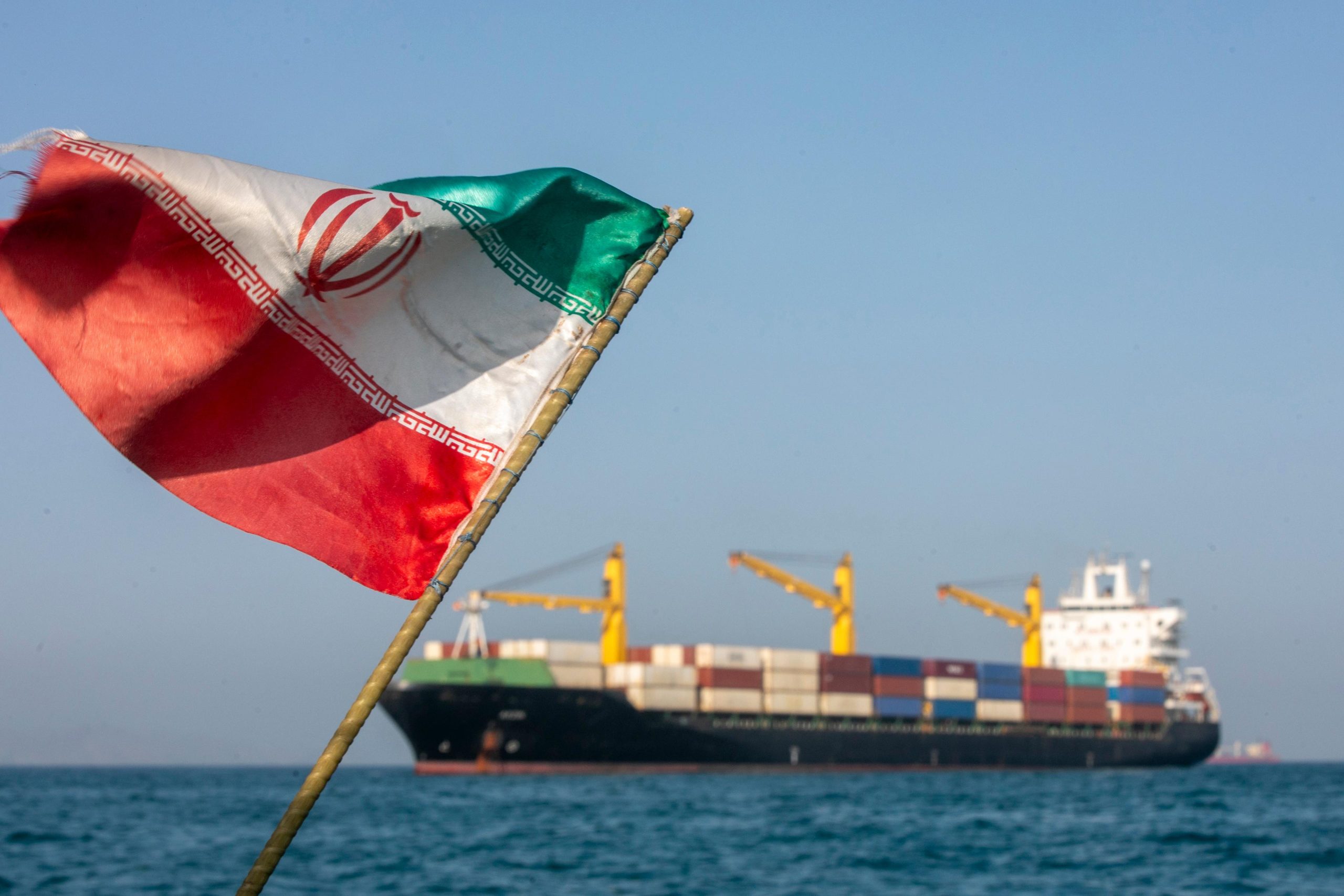
The Strait of Hormuz, through which roughly 20 percent of the world’s oil supply passes, was closed by Iran in February after US and Israeli strikes on Iranian military and nuclear facilities. The closure sent energy prices surging globally and contributed to inflationary pressure in economies from Europe to India and South Korea.
Traders said the scale of the price drop reflected weeks of gradual pricing in of a diplomatic solution, with markets having tracked every ceasefire update since April. The confirmation of an agreed deal text was seen as the most concrete sign yet that the Strait would reopen on a durable basis.
US Energy Secretary Doug Burgum said the administration expected Iranian crude exports to resume within weeks of a signed agreement. Saudi Arabia and the UAE have both expanded production since March to partially offset the Iranian supply disruption.
The US Energy Information Administration had projected oil prices would average around $105 a barrel through July if the Strait remained closed. With the deal appearing close to formalisation, the agency said it would issue an updated short-term energy outlook early next week, likely reflecting a significantly lower price path through the second half of 2026.
Gasoline futures fell alongside crude. The American Automobile Association said average US petrol prices had reached $4.18 per gallon in mid-June. Analysts said prices at the pump typically lag crude price drops by four to six weeks. Full EIA data is at the Short-Term Energy Outlook. Earlier oil market analysis covering the $150 per barrel risk and the global market reaction to the Iran war provides context. The US wholesale price surge driven by the oil shock rounds out the picture.

Follow iNews Zoombangla On Google
Open the Google follow page and tap the checkmark option to receive more updates from iNews Zoombangla in your Google news feed.