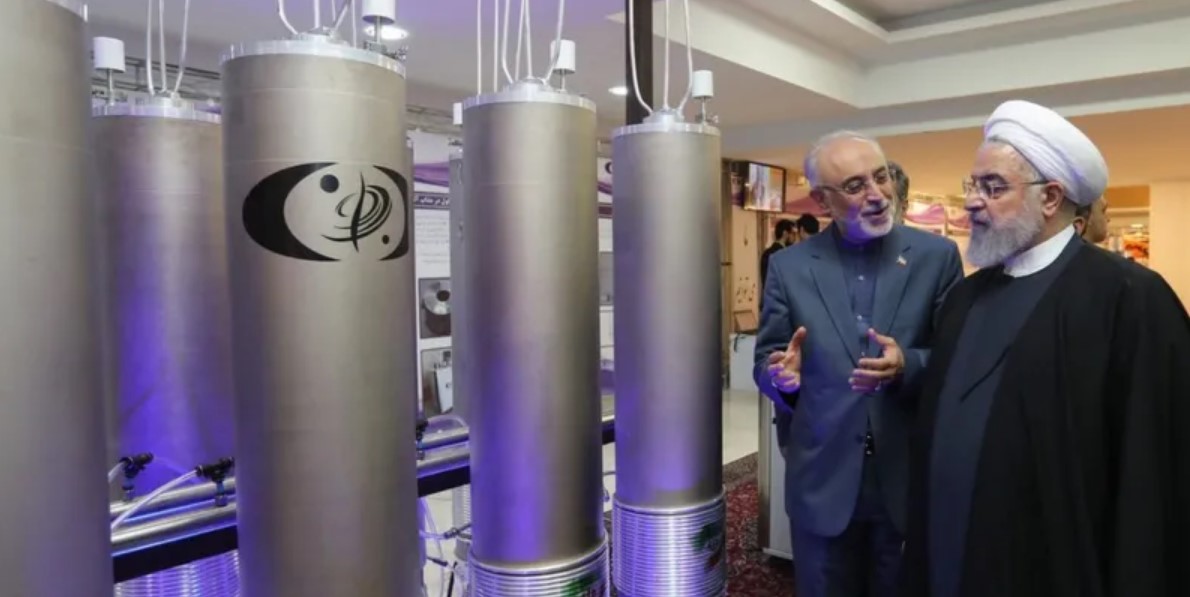
The Islamabad Declaration agreed between the United States and Iran commits Tehran to never acquiring a nuclear weapon but leaves the country’s existing enriched uranium stockpile entirely in place during a 60-day follow-on negotiation. That stockpile, estimated at approximately 440 kilograms of uranium enriched to 60 percent purity, is the single most contested element of the post-conflict nuclear picture.
Under the framework, the 60-day clock begins when the formal agreement is signed in Geneva on June 19. During that period, both sides are expected to negotiate the stockpile’s disposition — whether it is diluted, transferred to a third country, or placed under international monitoring. Neither option has been agreed at the framework stage. Iranian officials have publicly stated that no commitments about the uranium were made before the signing.
US officials have said in background briefings that Tehran agreed in principle to discuss disposing of or transferring the material during the 60-day period. The gap between the two characterisations is significant. American officials want the negotiations to start from an assumption that the stockpile will eventually leave Iranian control. Iranian officials have said the issue is entirely open and will be negotiated without preconditions.
The 440-kilogram figure represents a large and sensitive inventory. At 60 percent enrichment, uranium is not weapons-grade — that threshold is typically set at 90 percent — but it is far beyond what is needed for civilian nuclear power, which typically uses uranium enriched to around 3 to 5 percent. Weapons experts say further enriching the 60 percent material to weapons-grade is technically straightforward and could be done relatively quickly with the centrifuge capacity Iran already has.
Verification is the other major gap in the framework. The Islamabad Declaration does not name a verification mechanism, specify an inspection protocol, or require any existing enrichment activity to halt before the signing. The International Atomic Energy Agency, which had been barred from Iran’s nuclear sites since early 2025, is expected to resume some level of access as part of the 60-day talks, but the terms have not been set.
Observers noted that the ambiguity in the framework mirrors the structure of the 2015 Joint Comprehensive Plan of Action, which also left some elements to implementation and follow-on negotiation. That deal collapsed in 2018 when the Trump administration withdrew from it. Several of the same negotiators who handled 2015 discussions from the Iranian side are involved in the current talks.
European governments, including France, Germany and the United Kingdom, are pushing for a stronger nuclear verification framework in the 60-day talks than what was agreed in 2015. Tech Times reported that G7 leaders at the Évian summit are expected to present a unified position on what they want from the nuclear negotiation window, though their leverage after the deal is signed is limited compared to what it was before the conflict began.

Follow iNews Zoombangla On Google
Open the Google follow page and tap the checkmark option to receive more updates from iNews Zoombangla in your Google news feed.