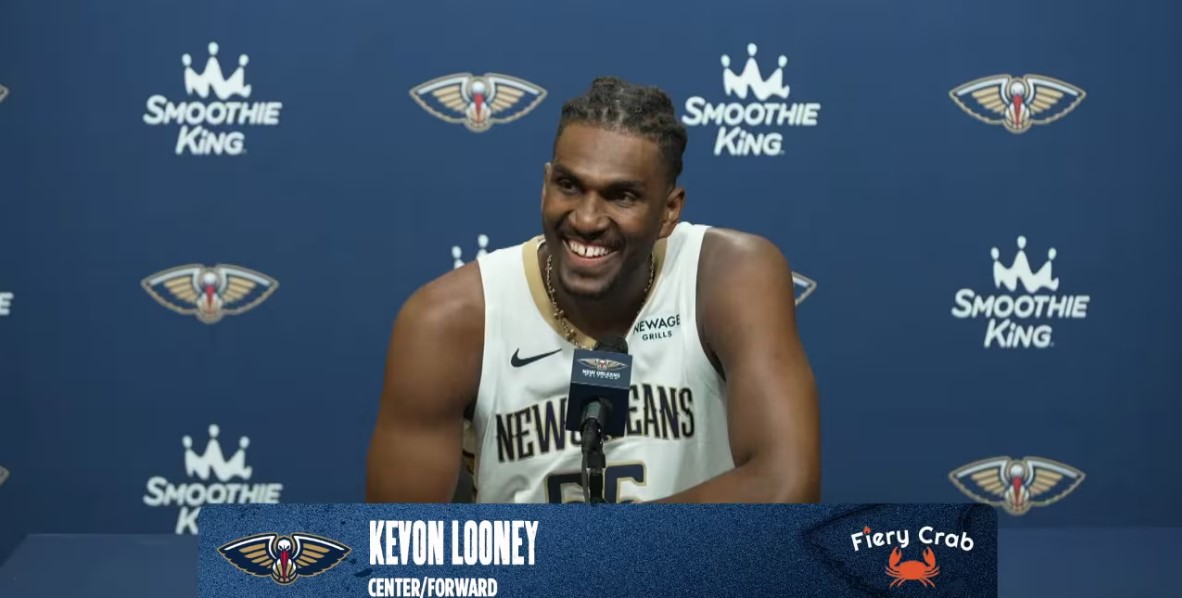
Kevon Looney remains in NBA conversation as teams use short planning windows to compare rotation depth and late-game structure. In a fast trading and schedule environment, role clarity matters more than broad headlines, and Looney is being referenced as a practical touchpoint for coaches who value flexibility under pressure.
For readers, the reason this remains useful is simple: teams often make near-term decisions around who can stabilise transitions while maintaining offensive rhythm. That is a short-cycle story because the same team can appear different in two sessions depending on how these roles are managed.
Why roster stability is the strongest current angle
Basketball coverage becomes strongest when it ties player discussion to usage patterns, not static profiles. Looney’s use is now linked to how teams close moments when possessions tighten and decisions become expensive. That is why the story stays active while there is still no major movement but still real discussion on who can hold balance over repeated run periods.
That line of coverage is also useful because it stays grounded. It does not require overblown transfer speculation. It asks whether a team can maintain tempo, protect possession and avoid forced possessions when match tempo increases. Those are measurable signs people watch.
What to expect in the next 48 hours
As match windows move, the follow-up test is straightforward: does depth usage remain consistent across the same set of situations, or does one part of the unit start to show fatigue? That is where this keyword remains practical. If consistency remains, the angle moves into routine planning coverage. If not, it becomes a correction point in role expectation.
For readers, this is why the NBA watch continues around names like Looney: it reflects the part of the game that can be checked quickly and repeatedly.

Follow iNews Zoombangla On Google
Open the Google follow page and tap the checkmark option to receive more updates from iNews Zoombangla in your Google news feed.