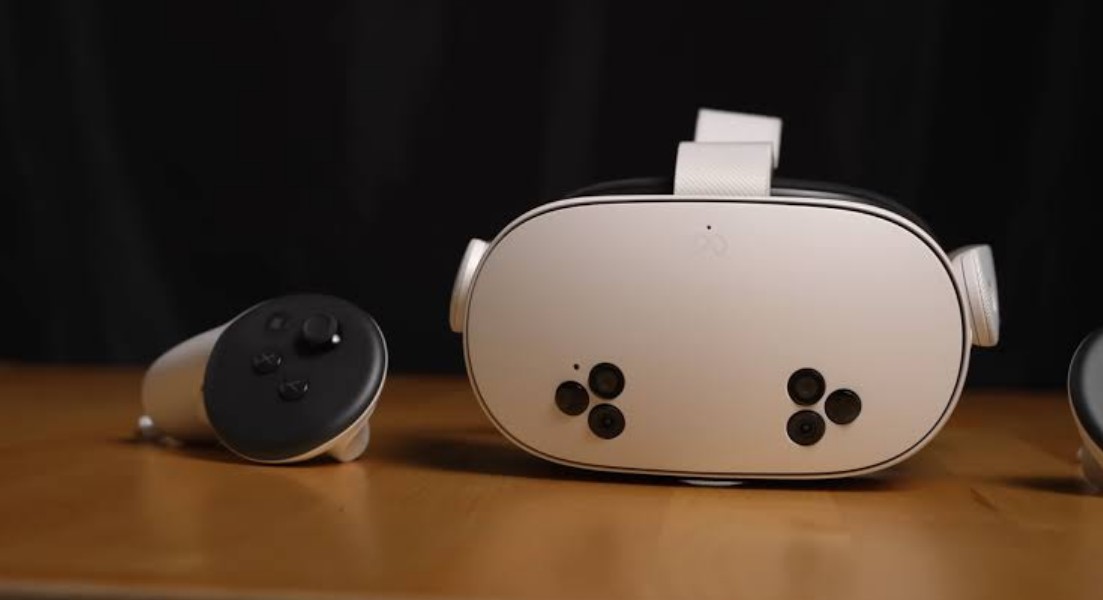
Meta‘s CTO confirmed the company will showcase next-generation VR headsets at Connect 2026 on September 23. Two codenames have circulated: Quest 4 (a dedicated gaming device) and Phoenix (a lightweight mixed reality headset tethered to a computational unit). The announcements signal Meta’s renewed commitment to spatial computing after years of Reality Labs losses.
Reality Labs lost $5+ billion annually from 2021–2024 as Meta invested aggressively in AR/VR hardware and software. Meta briefly cut budgets and staffing, then recommitted. The headsets teased for September 2026 represent the culmination of that pivot.
Quest 4: Consolidating Gaming VR
Quest 4 will be Meta’s flagship gaming-focused headset, following the successful Quest 3 and Quest Pro. Rumored specs include higher refresh rates (120Hz+), improved controllers, and better visual fidelity. Meta aims to cement Quest as the dominant consumer VR platform—currently it holds roughly 80% of the standalone VR market.
Gaming remains VR’s strongest use case. Titles like Beat Saber, Half-Life: Alyx, and Resident Evil 4 VR drove adoption. Quest 4 doubles down on this strength. Meta likely bundles exclusive titles and subscription services to justify the upgrade from Quest 3.
Phoenix: Mixed Reality Ambition
Phoenix (or “Puffin”—codenames vary) represents Meta’s moonshot. A lightweight MR headset connected to a wearable computational unit targets AR applications: navigation overlays, workplace productivity, health monitoring. The tether (likely wireless) connects to a separate wrist-worn device running processing.
This design differentiates Phoenix from Apple Vision Pro (fully self-contained) and Microsoft HoloLens (clunky, industrial). If Meta executes well, Phoenix could define the next decade of mixed reality. If it ships buggy or overpriced, it becomes another failed Meta moonshot.
Timeline and Reality Check
Meta delayed Phoenix from late 2026 to H1 2027, suggesting hardware or software challenges. Quest 4 is more likely on schedule given incremental improvements. The September 2026 announcements will show prototypes, not finished products. Shipping dates and pricing remain unconfirmed.
VR market sentiment is skeptical after years of unfulfilled promises. Startup VR failed. Magic Leap stumbled. Apple Vision Pro was priced out of mass market. Meta must prove VR matters to something beyond gaming before consumers open their wallets.
Meta is betting $15+ billion that VR becomes as natural as smartphones. The market is betting against it. September’s announcements will tell us who’s winning.
FYI (keeping you in the loop)
When can I buy the new headsets?
Quest 4 is expected in late 2026 or Q1 2027. Phoenix availability is likely H1 2027 at earliest. Pricing is unconfirmed.
References
The Ghost Howls. (2026). Meta Teases VR Announcements at Connect, Steam Features Great On Frame.
Yahoo Tech. (2026). We’re Building Multiple Next-Generation Headsets: Meta Explains Its Silence on New Quest Models.
T3. (2026). Meta Hints at VR Announcements for Connect.

Follow iNews Zoombangla On Google
Open the Google follow page and tap the checkmark option to receive more updates from iNews Zoombangla in your Google news feed.