Moonshot AI released Kimi K3 on July 17, 2026, and it immediately went viral in China. The open-weight model is trained on 2.8 trillion parameters and drew comparisons to DeepSeek’s 2025 breakout moment.
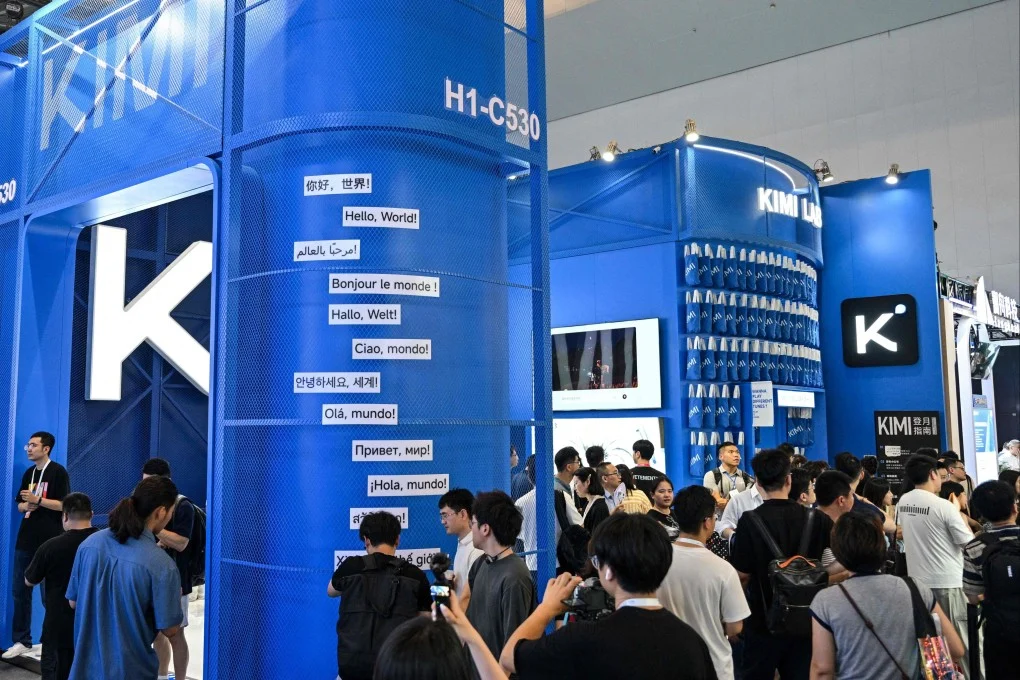
Chinese social media exploded. Developers rushed to download Kimi. Moonshot temporarily halted new subscriptions, citing unprecedented demand that pushed server capacity to the limit. The startup became an instant global sensation.
What Makes Kimi Different
Kimi K3 is positioned as competitive with OpenAI‘s GPT-4 at a fraction of the inference cost. Moonshot claims the model aligns with frameworks from OpenAI and Anthropic but at discounted rates. The company is betting that Chinese enterprises care more about price than brand.
Open-weight models matter because enterprises can run them on their own infrastructure. No API dependency. No rate limits. No vendor lock-in. For large companies in regulated industries, that’s a genuine advantage.
The US Anxiety
Kimi K3’s release triggered concern in American AI circles. The model’s capabilities forced reflection on whether US labs maintain technical leadership or just better marketing. Elon Musk praised Moonshot. The narrative shifted: China’s AI is catching up faster than expected.
This is not new. DeepSeek triggered the same anxiety last year. But Moonshot’s subscriber surge suggests Chinese AI has crossed into mainstream adoption territory in Asia. Global users are taking notice.
What This Means for the AI Race
Moonshot’s success demonstrates that AI development is decentralizing. You no longer need a $10 billion lab to build competitive models. Good engineering and data access are enough. China’s scale in both is formidable.
The US still leads in frontier capability. But capability gaps are narrowing. Costs are falling. Open-weight models are proliferating. The AI landscape is fragmenting into regional hubs—US, China, Europe—each with different approaches.
Moonshot Kimi’s viral moment signals a shift: Chinese AI is no longer behind. It’s parallel.
References
Bloomberg. (2026). China AI Sensation Moonshot’s Gamble on Big Models Pays Off. Published July 20.
TechCrunch. (2026). Kimi: Threat or menace? Published July 18.

Follow iNews Zoombangla On Google
Open the Google follow page and tap the checkmark option to receive more updates from iNews Zoombangla in your Google news feed.