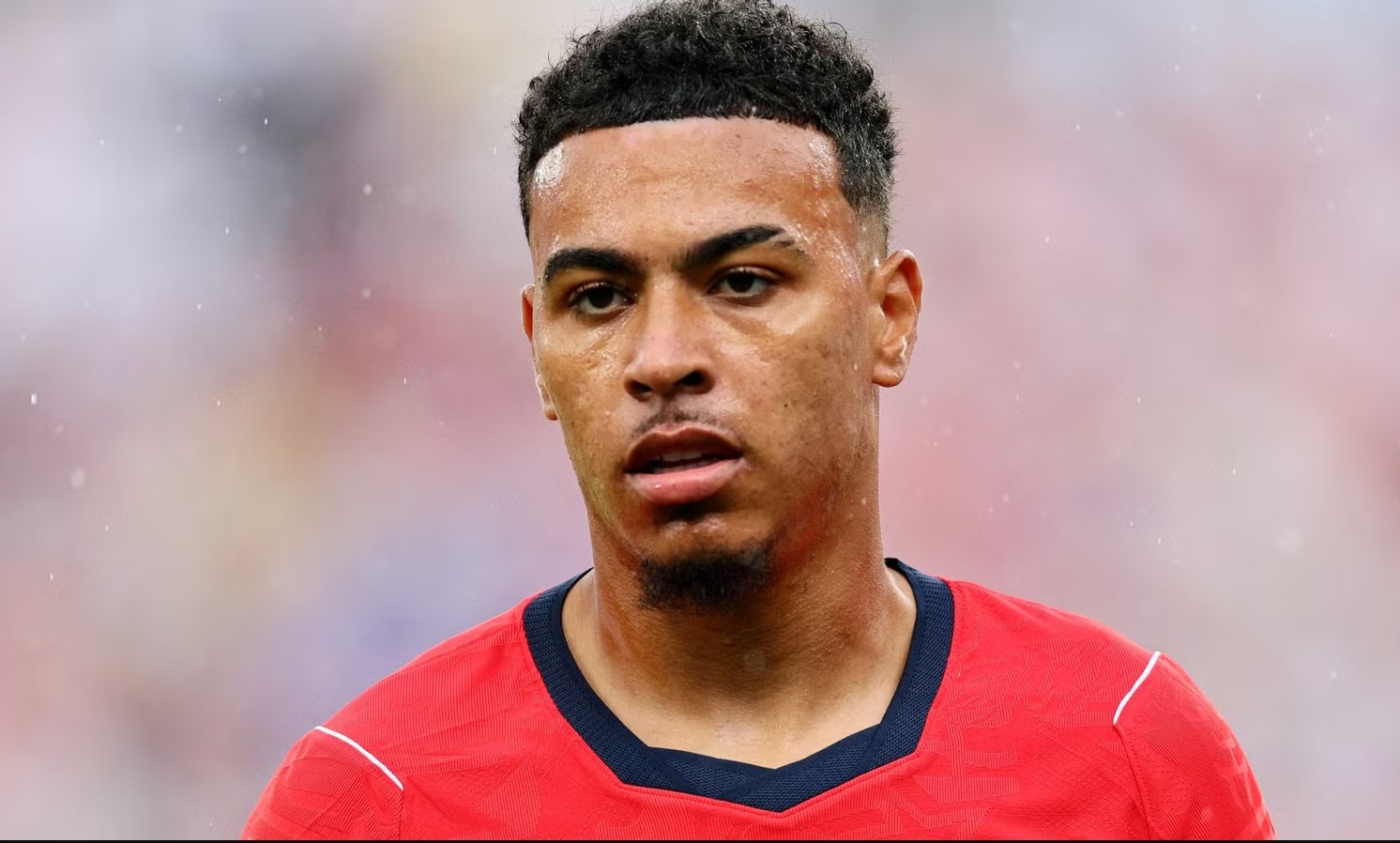
Morgan Rogers has remained on the transfer radar because clubs are still looking for players who offer flexibility without long adaptation windows. At this stage of squad planning, teams are often balancing budget constraints with a need for movement, and Rogers is being discussed as one of those players who can fill multiple tactical needs quickly.
In practical team planning, transfer value is not only about headline salary and transfer fee. It is about how fast a player can integrate into shape, movement patterns, and match tempo changes. Managers now compare those factors alongside pure talent and media visibility, and Rogers is increasingly visible because he is useful in more than one line. That keeps his name appearing as window pressure rises.
Why transfer timing still keeps him active
Summer planning moves in short cycles. Teams open conversations, narrow role expectations, then prioritize players who reduce onboarding risk. Rogers benefits from that framework if he appears both coachable and adaptable, because modern squads prize profile control as much as flair. A player with clear fit across systems can still retain value even when there is no single defining headline in each update.
That dynamic is also why supporters follow not just announced deals, but rumored windows and role expectations. The transfer cycle rewards readiness, and players who appear ready often stay in the mix longer than pure noise suggests. This can keep media discussion alive even before any formal confirmation.
What the club conversations will likely test
For readers, the meaningful signal is not just whether a single move happens, but whether squad planning remains internally aligned. If role needs stay tight, players like Rogers rise in priority quickly. If tactics evolve late, interest can move just as fast to alternatives. In that sense, this is a live story because planning windows are the story, not just final deals.
That keeps the angle useful for sports readers over the next short cycle.

Follow iNews Zoombangla On Google
Open the Google follow page and tap the checkmark option to receive more updates from iNews Zoombangla in your Google news feed.