People searching “blood moon solar eclipse lunar eclipse” were looking for a sky event that crossed several viewing regions during the night of August 27 and August 28. NASA’s August skywatching guide said the Full Moon moved through Earth’s shadow and that the event could be seen from much of North and South America and parts of Europe and Africa. The guide is useful for viewers because it separates the observation window from the informal labels used online.
NASA’s lunar-eclipse catalogue records the event on August 28, 2026, with maximum eclipse at 04:14:04. The catalogue lists visibility across the eastern Pacific, the Americas, Europe and Africa. That regional map explains why reports and photographs appeared at different local times. An observer’s chance of seeing the Moon depended on whether the eclipse was above the horizon in that location during the relevant part of the event.
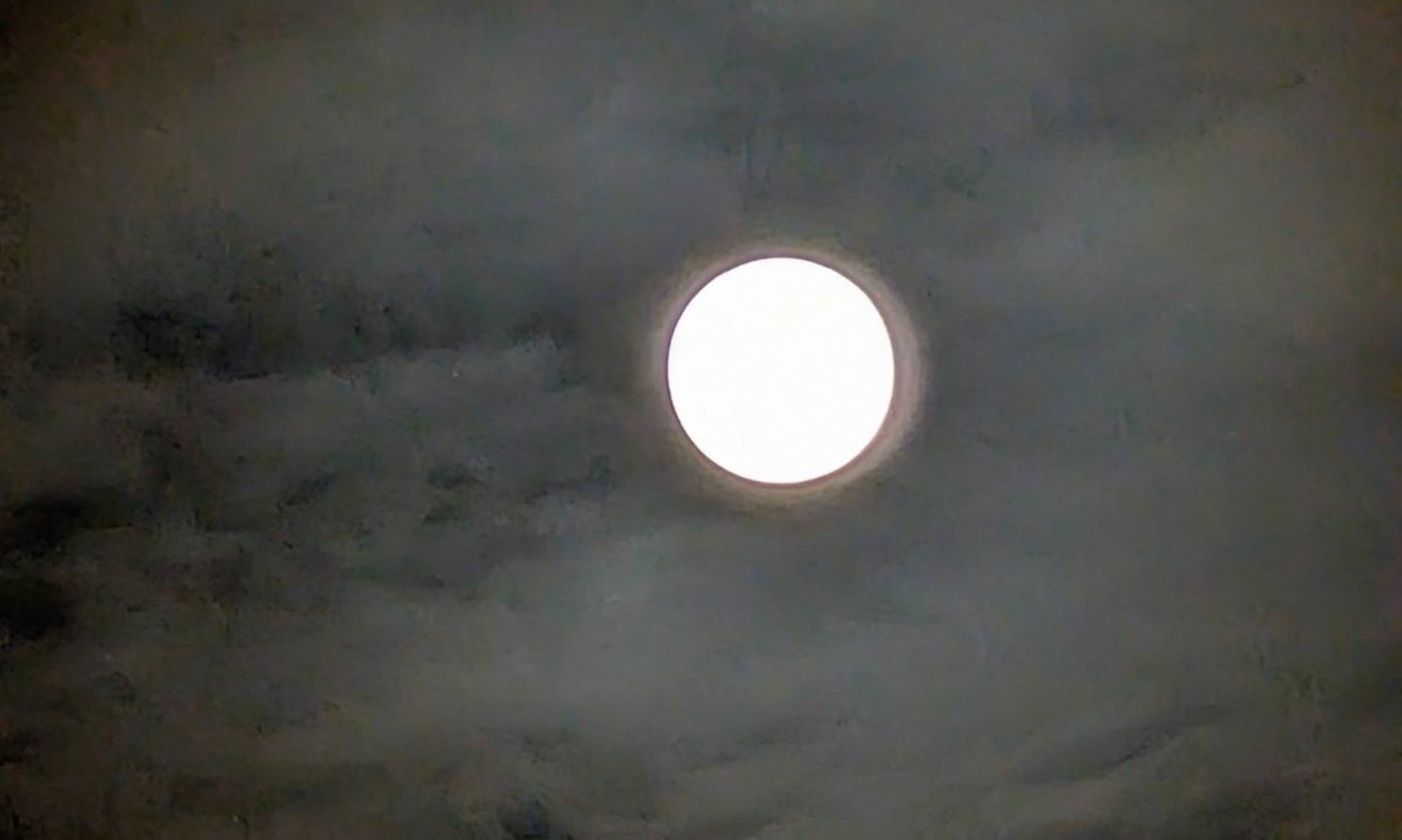
NASA said the eclipse was partial. Its skywatching guide reported that about 93 percent of the Moon’s diameter would be inside Earth’s umbra at maximum eclipse. The Moon would not be completely covered, but the agency said the part passing through the central shadow could look darkened and take on a rusty or coppery tint. That appearance is why the popular phrase blood moon is often used for a lunar eclipse.
The Associated Press reported that the event lit up skies across the Americas and Europe and described it as falling just short of totality. AP’s photo editors said about 96 percent of the Moon passed through Earth’s umbra. That report confirmed the near-total visual impression in photographs while preserving the scientific classification supplied by NASA.
NASA’s viewing advice is straightforward for this event. A lunar eclipse can be watched with the unaided eye, and binoculars or a small telescope can provide a closer look at Earth’s curved shadow moving across the Moon. The agency said the eclipsed Moon is safe to view without special eye protection. That advice should not be transferred to a solar eclipse, where the viewer is looking toward the Sun.
The practical answer for the blood moon solar eclipse lunar eclipse search is therefore a visibility and terminology check. NASA’s data identify a partial lunar eclipse on August 28, visible from the eastern Pacific, the Americas, Europe and Africa, while AP documented the event’s appearance across the Americas and Europe. The event was not a completely covered Moon, and it was not a solar eclipse. Viewers should use the NASA visibility map and their local night-sky conditions when checking what could be seen.

Follow iNews Zoombangla On Google
Open the Google follow page and tap the checkmark option to receive more updates from iNews Zoombangla in your Google news feed.