The search phrase “central nepal floods flash floods” is linked to the disaster that struck central Nepal on August 26. The World Health Organization said severe flooding affected communities along the Bhote Koshi and Trishuli river corridors, including districts in Bagmati and Gandaki provinces. Nepal’s government declared 15 municipalities in the affected districts disaster crisis-affected areas for three months.
Nepal’s Ministry of Foreign Affairs said security, disaster-management and health agencies were mobilised for search and rescue, evacuation, emergency medical care and relief work. The ministry’s August 26 update said the flooding damaged homes, roads, bridges, hydropower facilities and other critical infrastructure. It also said authorities were monitoring river systems and downstream risks as operations continued.
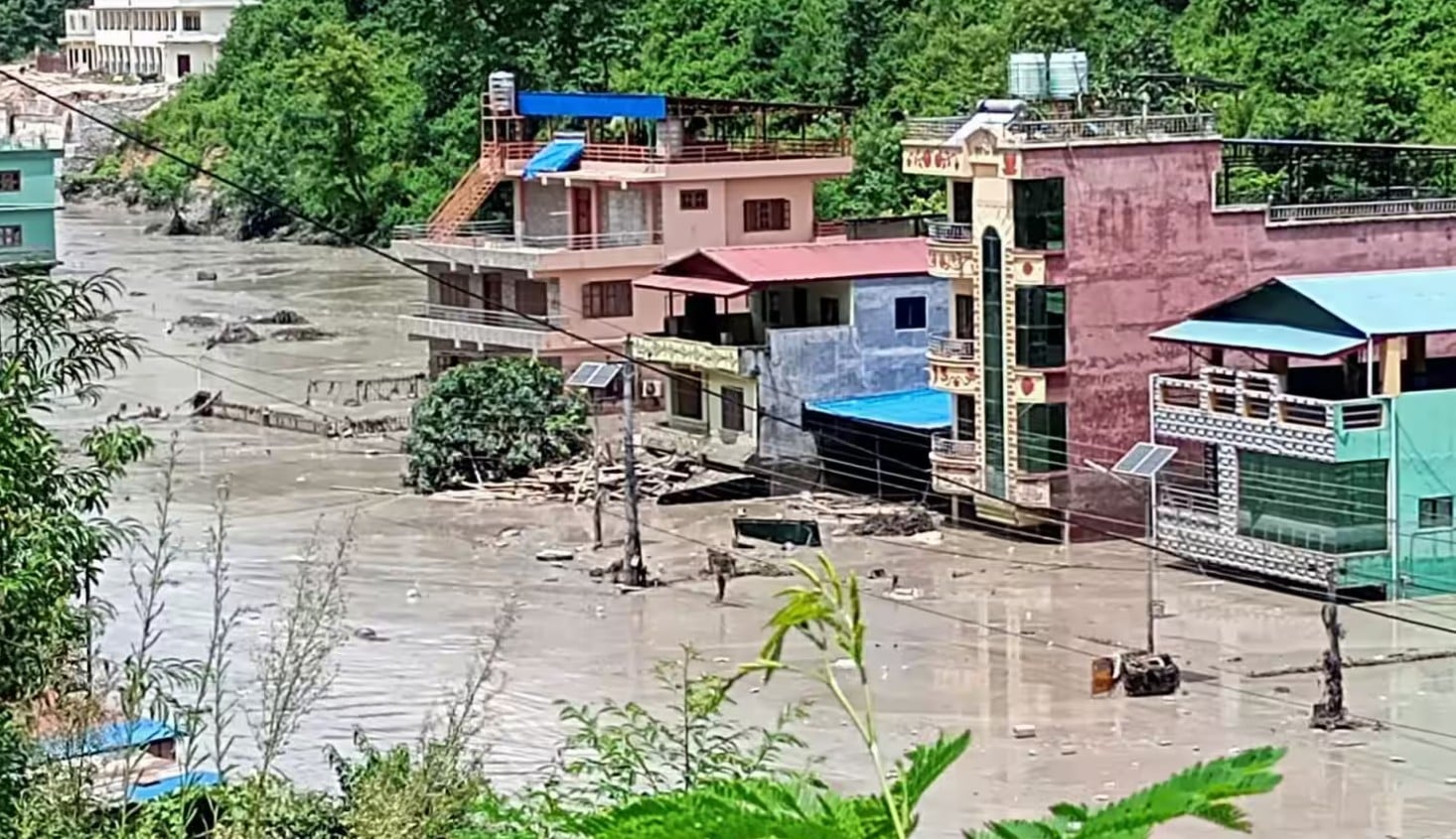
The World Health Organization reported that around 10,000 households were in need of immediate relief. It said three health posts had been fully damaged, a hospital had been partially damaged and access to two other hospitals had been affected. The agency identified unsafe water, food-related risks, injuries, communicable disease and mental-health needs among the issues requiring attention after displacement and damage to sanitation systems.
The cause of the flooding remains subject to assessment. WHO said preliminary information indicated a sudden surge of water into the Bhote Koshi River from the Tibet Autonomous Region of China, possibly linked to an upstream ice avalanche and temporary damming of the Lhende River. The agency specifically said assessments were ongoing, so that explanation should not be presented as a final finding.
The Associated Press reported on August 28 that rescue teams were still working through mud and debris and that more than 3,700 people had been rescued in Nepal. AP cited Nepal’s National Disaster Risk Reduction and Management Authority for a death toll of 579 and said 1,924 people remained unaccounted for in Nepal. It separately reported Chinese state media figures of five deaths and 558 missing on the Chinese side of the border.
AP also reported warnings about a newly formed lake upstream that could create further flooding. People in areas considered vulnerable were urged to move to safer ground, according to the report. The differing figures reflect separate national reporting and should be attributed rather than combined into one total. The verified picture is of an ongoing rescue and health emergency, with authorities still assessing damage, supporting displaced households and monitoring additional water hazards.

Follow iNews Zoombangla On Google
Open the Google follow page and tap the checkmark option to receive more updates from iNews Zoombangla in your Google news feed.