Scientists have successfully extracted and sequenced mammoth DNA from the frozen feces of an Arctic ground squirrel estimated to be 700,000 years old, a breakthrough that pushes the boundaries of ancient DNA recovery and opens new possibilities for studying species that lived long before modern genetic techniques existed.
The research, published in Nature, found that the squirrel had consumed mammoth material and that the DNA survived in its coprolites, the term for preserved animal feces, because of the exceptional preservation conditions in the Siberian permafrost. The combination of frozen conditions and the gut environment in which the DNA was processed appears to have created an unusually stable preservation medium.
Previous ancient DNA records had been set using material from bones and teeth preserved in permafrost, with the oldest confirmed sequences coming from a horse recovered from the Yukon, dated to approximately 700,000 years old. The squirrel coprolite sample is considered a comparable age, though the exact dating carries some uncertainty.
The significance goes beyond the age of the sample. The technique of recovering ancient DNA from the fecal material of other animals opens a new avenue for studying extinct species in environments where their own remains may not be directly accessible. Predators and scavengers routinely consume tissue from many species, meaning their preserved waste could serve as an archive of genetic material from the broader ecosystem.
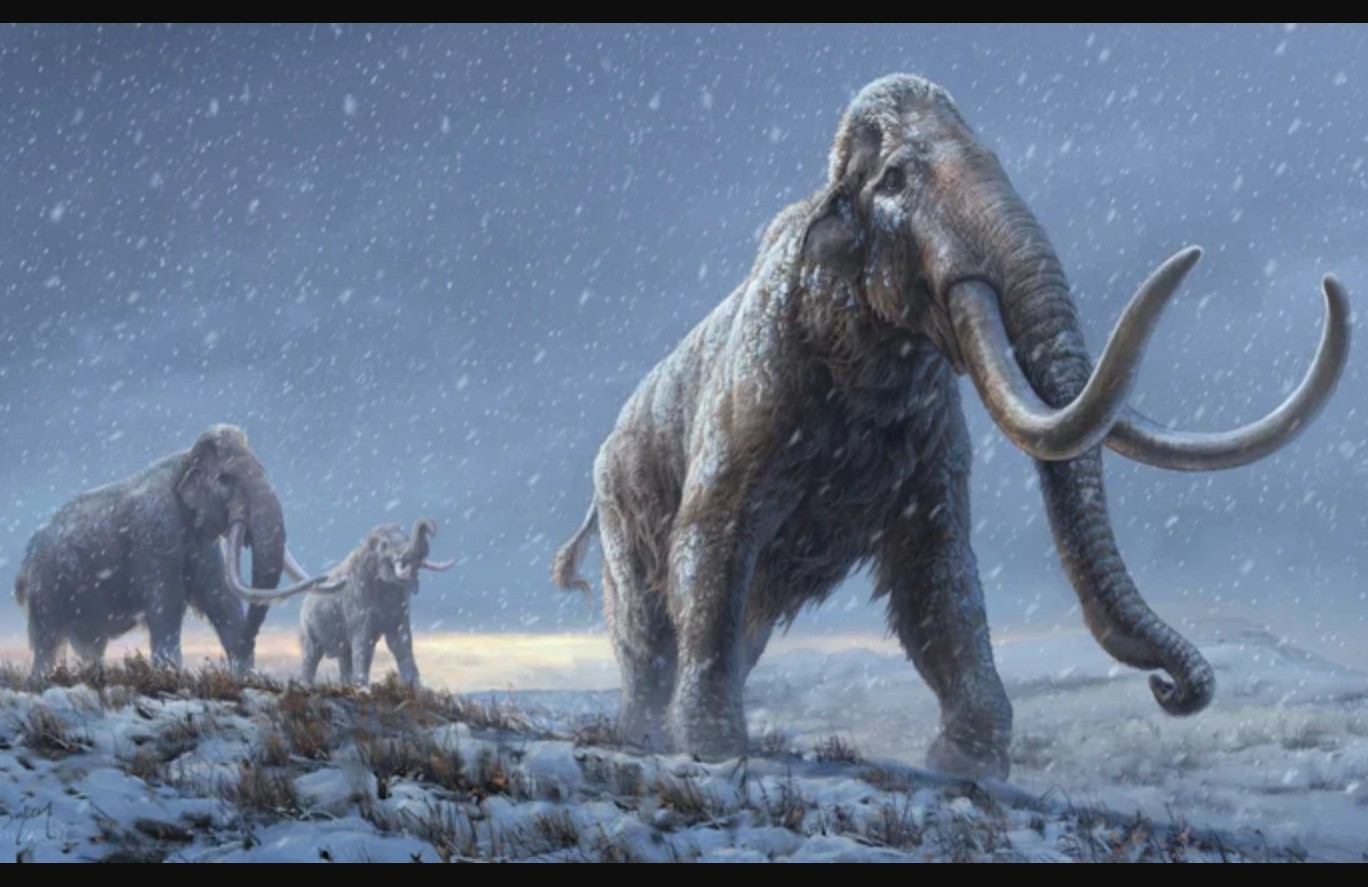
Smithsonian scientists described the finding as a potentially transformative development in the field of paleogenomics, the study of ancient genomes. The team said the next step is to systematically test permafrost coprolite samples from other species to determine how broadly this preservation mechanism applies.
Woolly mammoth research has attracted considerable public interest in recent years following announcements by biotechnology companies attempting to reconstruct mammoth traits in living elephant relatives. The direct recovery of intact ancient mammoth DNA provides raw material that could theoretically support those efforts, though the researchers themselves focused on the scientific rather than the biotechnology implications.
The permafrost region of Siberia and the Yukon, where this and most other ancient DNA samples are recovered, is under threat from climate change. Warming temperatures are thawing permafrost at increasing rates, potentially destroying genetic archives that have been preserved for hundreds of thousands of years.
The full research paper is available in Nature. The analytical tools used to sequence ancient DNA have benefited from advances in modern computing, including platforms discussed in coverage of Apple’s new Silicon architecture. Scientific data processing for genomics increasingly uses consumer-grade hardware whose capabilities are reflected in devices like the Google Pixel 11. Sensor miniaturisation relevant to field genomics research is discussed in coverage of the Oura Ring 5.

Follow iNews Zoombangla On Google
Open the Google follow page and tap the checkmark option to receive more updates from iNews Zoombangla in your Google news feed.