Niger’s military government enacted a new penal code this week that criminalises consensual same-sex relationships between adults, imposing sentences of up to three years in prison and fines. The measure was signed into law by General Abdourahamane Tiani, who has led the country since the July 2023 coup that ousted elected President Mohamed Bazoum.
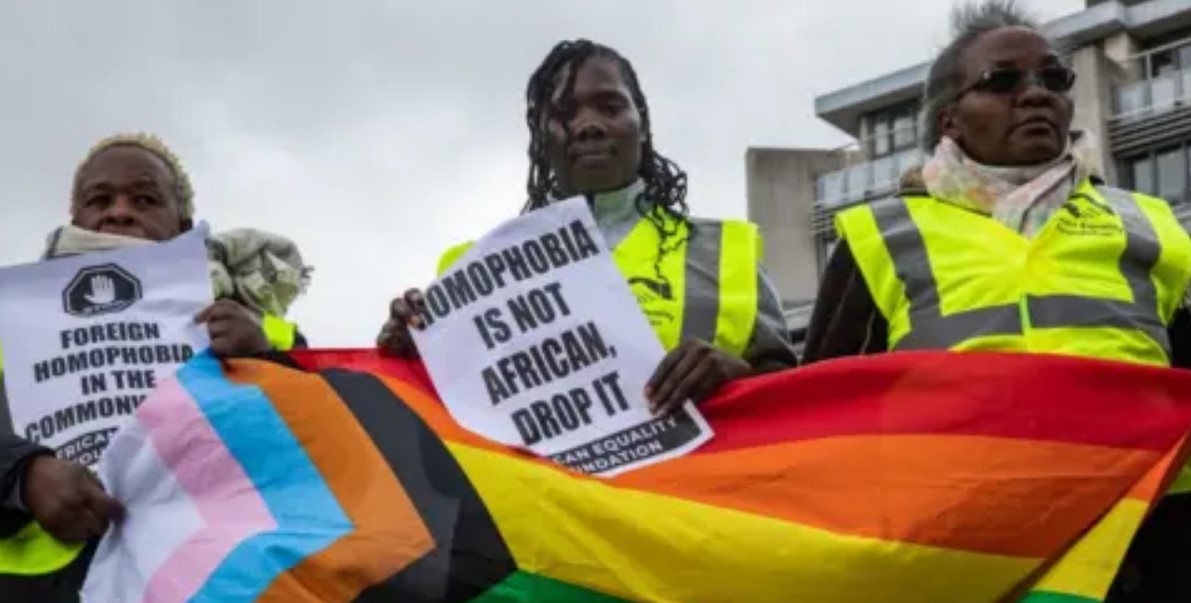
The legislation has drawn swift condemnation from human rights organisations. Amnesty International called the new law a “deeply regressive step” and said it put LGBTQ+ people in Niger at immediate risk of violence and arbitrary detention. Human Rights Watch said the law would embolden security forces and vigilante groups to target individuals suspected of same-sex conduct, who would now face formal legal jeopardy as well.
Until this week, same-sex relations between consenting adults were not explicitly addressed in Niger’s previous penal code, which dated to the colonial era, leaving a legal ambiguity that rights groups said was inadequate but had not been systematically weaponised against LGBTQ+ individuals in practice.
The move places Niger alongside several other Sahel states that have either introduced or reinforced anti-LGBTQ+ legislation in recent years, often framing the measures as rejections of Western cultural values. Military governments in Burkina Faso and Mali have also distanced themselves from Western human rights frameworks following their own coups, expelling French forces and pivoting toward Russian security partnerships.
Niger’s junta expelled French troops and terminated security cooperation with the European Union after the 2023 coup. The country has since deepened ties with Russia’s Wagner Group successor force and removed itself from several regional governance frameworks. Niger depends heavily on uranium exports, making its international standing relevant to European energy supply discussions. The UN Human Rights Office has called on Niger to repeal the provisions. The EU’s expanded sanctions framework has also addressed governance conditions in Africa partnerships. The Nigeria-US military deal reflects broader Western efforts to maintain engagement across the Sahel region.

Follow iNews Zoombangla On Google
Open the Google follow page and tap the checkmark option to receive more updates from iNews Zoombangla in your Google news feed.