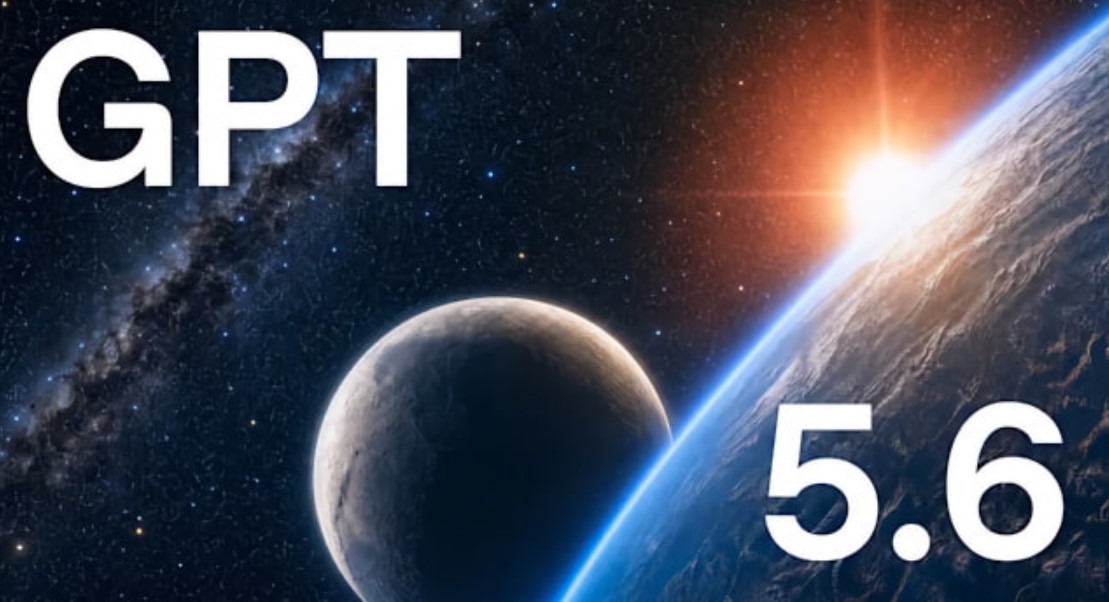
OpenAI launched GPT-5.6 on July 22 as a lineup instead of a single model. The company released three versions—Sol, Terra, and Luna—targeting different use cases and budgets. Sol is the flagship with new Ultra reasoning mode. Terra matches GPT-5.5 performance at half the cost. Luna is the fast tier for simple tasks.
This three-tier approach mirrors what competitors are doing. Google has Gemini Flash and Gemini Pro. Anthropic has Claude Fable and Claude Opus. The market is consolidating around speed and cost as differentiators.
What Changed
Sol adds Ultra reasoning, a mode that lets Claude spend more computation time on hard problems. Mathematical proofs, code debugging, logical puzzles—tasks that benefit from deeper thinking. Terra cuts costs by using a smaller model trained on the same data. Luna handles customer service, summarization, simple Q&A at maximum speed.
OpenAI is not releasing token counts or pricing yet. That comes next week. But the structure suggests Sol will cost more than current GPT-4, Terra will undercut GPT-4, and Luna will be cheap enough for high-volume applications.
The Market Logic
No single model is best at everything. A law firm wants accuracy on contracts. An e-commerce site wants speed on product descriptions. A startup wants cost per token. Three models mean three customers instead of one.
This also protects OpenAI from the speed-versus-cost trap. If they cut prices too far on their flagship to compete on cost, they cannibalize revenue. A separate budget tier avoids that.
GPT-5.6 is OpenAI saying they now own enough of the market to split it into segments instead of fighting for all of it at once.