Oura has introduced the Oura Ring 5, the latest version of its smart ring, bringing a series of new health-monitoring tools while significantly reducing the size of the device.
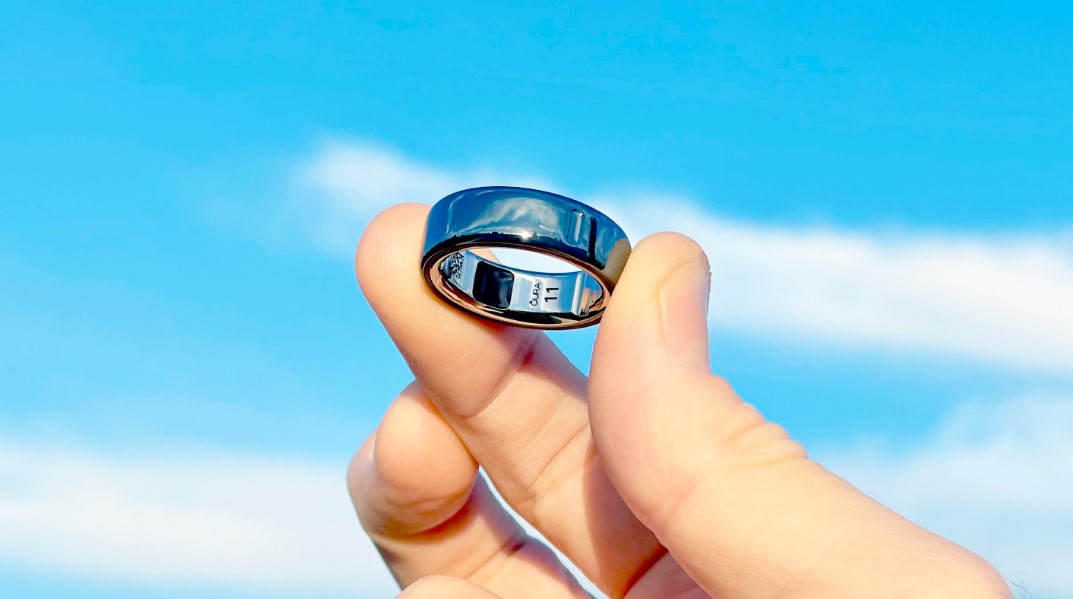
The launch marks the fifth generation of Oura’s finger-worn wearable, arriving more than a decade after the company released its first smart ring. Alongside new software capabilities, the company has focused heavily on redesigning the hardware, saying the Oura Ring 5 is 40% smaller than the previous-generation Ring 4.
According to Oura, the new model is now the smallest smart ring on the market. The company’s latest design effort appears aimed at improving comfort and making the device less noticeable during everyday wear, an increasingly important factor as smart rings compete not only on features but also on usability.
Health tracking remains at the center of the new device. Among the most notable additions is Health Radar, a system that introduces Blood Pressure Signals and Nighttime Breathing monitoring.
Oura said Blood Pressure Signals can track changes in blood pressure and notify users when levels are increasing. The feature is also designed to monitor blood pressure patterns during sleep. Nighttime Breathing provides users with a rolling 30-day overview of breathing activity and disturbances recorded overnight, offering a longer-term view of respiratory trends during sleep.
The company plans a phased rollout of these capabilities. Oura said Health Radar, along with GLP-1 Insights, will become available from June 2026 for Oura Ring Gen3 and newer devices in the United States, the United Arab Emirates and India. GLP-1 Insights is intended to support metabolic health tracking for users taking GLP-1 medications.
While Oura has traditionally built its reputation around sleep, recovery and wellness monitoring, the company has expanded activity-related features in the new model. The Oura Ring 5 adds live activity tracking for workouts, including running, cycling and strength training.
The device also introduces a new data deletion tool that allows users to remove information collected during selected periods. The addition gives users greater control over the health and activity data stored within the Oura platform.
Battery life remains one of the ring’s key selling points. Oura said the ring can operate for up to seven days on a single charge. The accompanying charging case can extend overall usage to about one month before the case itself needs to be recharged.
Most user interactions continue to take place through the Oura mobile application, where health and activity information can be viewed and managed. However, several advanced features remain part of the company’s subscription offering.
Detailed sleep analysis, blood oxygen monitoring and metabolic health tracking require an Oura subscription, priced at US$5.99 per month or US$69.99 per year. Users who choose not to subscribe can still access core metrics, including their Readiness, Sleep and Activity scores.
Also Read:
Fitbit Air Puts Health Tracking First but Leaves Out the Screen
With the Oura Ring 5, the company is pairing a smaller physical design with broader health-monitoring capabilities while maintaining the subscription model that continues to define access to many of its more advanced insights. For users already invested in wearable health technology, the latest device represents Oura’s newest attempt to expand what can be tracked from a ring worn throughout the day and night.

Follow iNews Zoombangla On Google
Open the Google follow page and tap the checkmark option to receive more updates from iNews Zoombangla in your Google news feed.