Pakistan confirmed on Friday that both the United States and Iran had agreed on the final text of the Islamabad Declaration, the memorandum of understanding that could formally end the Iran-US war that began in late February. Prime Minister Shehbaz Sharif called it a validation of Pakistan’s diplomatic role in one of the most serious military conflicts since 2003.
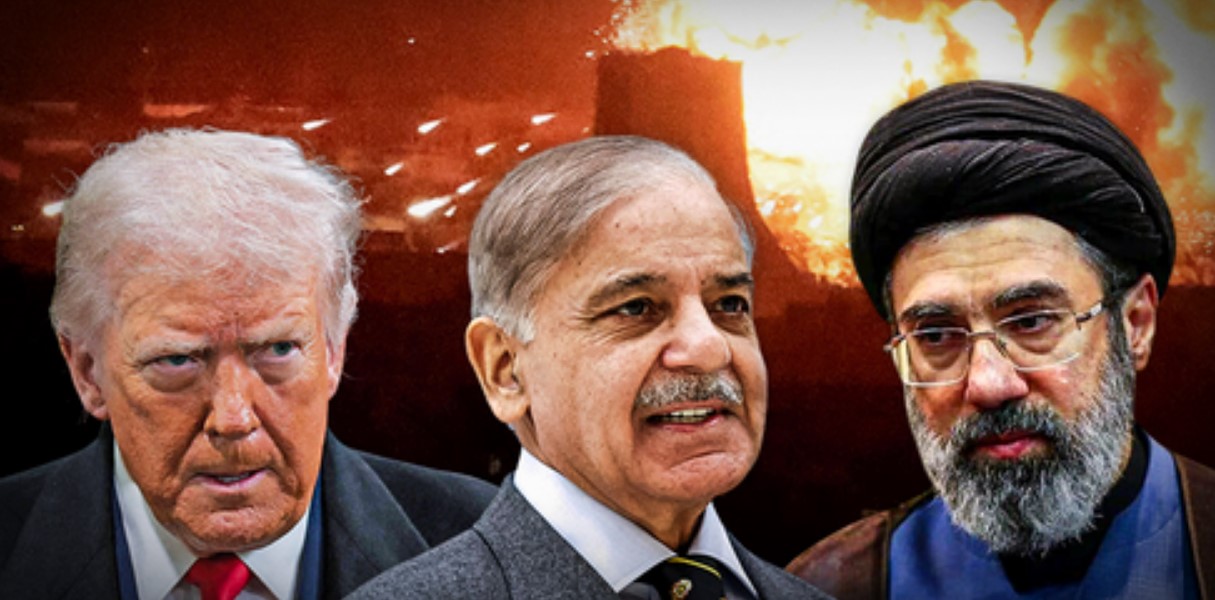
Pakistan’s involvement grew from its unique position as a country with formal ties to both Washington and Tehran. Islamabad hosted the first full-format US-Iran talks in April 2026 at the Serena Hotel. Field Marshal Asim Munir, Pakistan’s army chief, played a central role in shuttling between the two capitals with draft language and carrying assurances that neither side was willing to deliver through formal diplomatic channels.
The deal’s informal name, the Islamabad Declaration, was chosen by the negotiating parties in recognition of Pakistan’s contribution. It carries historical resonance for Sharif, who said his government took the risk of open-ended mediation despite pressure from regional powers who had their own preferred outcomes.
The text calls for an immediate ceasefire on all fronts, a phased reopening of the Strait of Hormuz, the lifting of US sanctions on Iranian oil, and the unfreezing of billions of dollars in Iranian funds. A sixty-day follow-on process will address Iran’s nuclear program, including verification and inspection mechanisms that were left out of the core memorandum to keep the initial deal achievable.
Saudi Arabia and the United Arab Emirates, which had been pushing for a harder line on Iran’s nuclear capabilities, expressed reservations about the exclusion of nuclear terms from the core document. Both countries were reassured by Washington that the sixty-day follow-on talks would address those concerns seriously. Israel’s position on the deal remained unclear as of Saturday evening.
Pakistan’s role as a mediator reflects a broader shift in the geopolitical importance of South Asian states in Middle Eastern conflicts. India also played a quiet diplomatic role through backchannel communications with Tehran, though its position was complicated by the deaths of Indian sailors in a US strike. India’s concerns over the strikes remain unresolved.
For Sharif and for Pakistan’s military establishment, the Islamabad Declaration represents a significant foreign policy achievement at a time when the country faces economic pressures and domestic political turbulence. Pakistan’s economy depends heavily on remittances from the Gulf states and on stable oil prices. The oil price shock caused by the war hit Pakistan harder than most, giving the country a material as well as strategic interest in brokering a peace. Analysts said Sunday that the deal’s success could open new avenues for Pakistan to deepen its economic and diplomatic ties across the region. The formal signing, expected in Geneva, will be the most visible moment in a months-long effort that began with quiet phone calls between Islamabad and Tehran. More context on the deal’s full terms was reported Saturday.

Follow iNews Zoombangla On Google
Open the Google follow page and tap the checkmark option to receive more updates from iNews Zoombangla in your Google news feed.