A federal judge in Oakland, California, has scheduled the antitrust trial over Paramount Skydance’s roughly $110 billion merger with Warner Bros. Discovery to begin March 2, 2027, with proceedings expected to run through March 19.
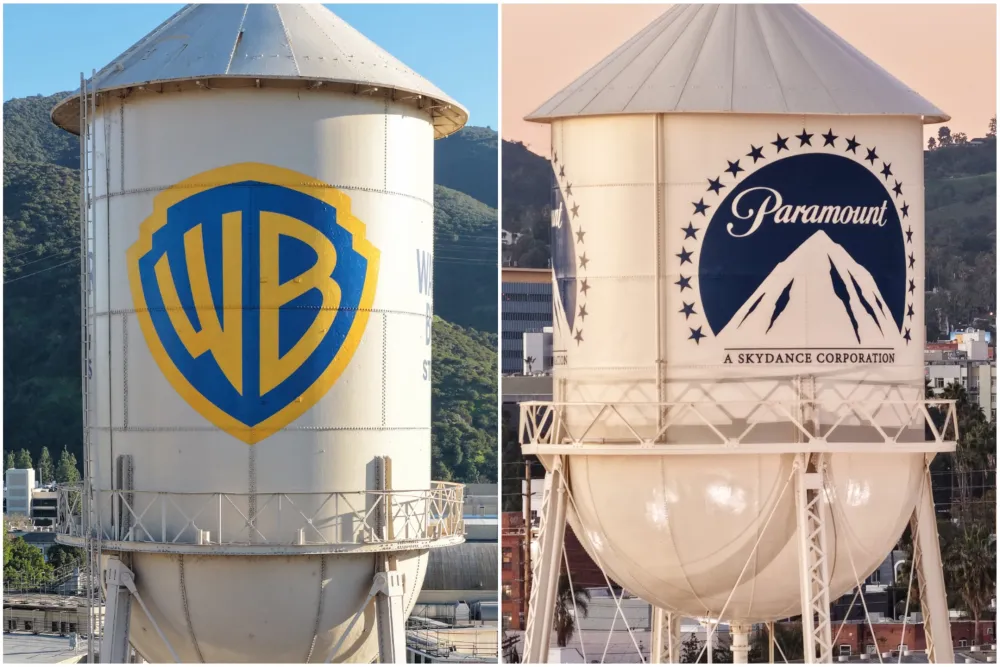
U.S. District Judge Araceli Martinez-Olguin set the 12-day trial after two separate lawsuits sought to block the deal. A coalition of 12 state attorneys general, led by California Attorney General Rob Bonta, sued in July arguing the merger violates the Clayton Act of 1914 by undermining competition. The states involved include Arizona, California, Colorado, Connecticut, Massachusetts, Minnesota, Nevada, New Jersey, New Mexico, New York, Oregon and Washington. The 12-day trial window is unusually long for an antitrust case, reflecting the scale and complexity of the proposed merger.
The Writers Guild of America filed a separate lawsuit the same month, arguing the merger would harm writers by reducing competition in three labor markets: top-grossing films, episodic television and streaming series, and overall studio deals. The WGA’s complaint contends that a combined Paramount-Warner Bros. entity would have less incentive to compete for writing talent, leading to lower pay and fewer job opportunities across the industry.
The trial date adds financial pressure to an already tight timeline. Under the merger agreement, Paramount must pay Warner Bros. Discovery roughly $7 million for every day the deal remains unclosed after September 30. Paramount has set its own deadline to close the transaction by June 4, 2027, leaving only a narrow window after the March trial to resolve the litigation.
The Department of Justice has already cleared the merger at the federal level, meaning the state and WGA lawsuits represent the last major legal obstacles standing between Paramount and Warner Bros. Discovery and a completed deal. The outcome will determine whether the merger, which would combine two of the industry’s largest film, television and streaming operations, can proceed on schedule or face further delay, a case being closely watched across the media industry given its implications for future entertainment mergers.

Follow iNews Zoombangla On Google
Open the Google follow page and tap the checkmark option to receive more updates from iNews Zoombangla in your Google news feed.