Rokid AI Glasses Style are drawing fresh attention after a new Geeky Gadgets review looked at the glasses following three months of use. The product takes a different route from display-equipped smart glasses. It keeps the frame light and uses a camera, microphones, speakers and a phone-connected AI assistant for hands-free tasks. The latest look at the device suggests that software changes matter as much as the hardware when a wearable is expected to stay on a user’s face all day.
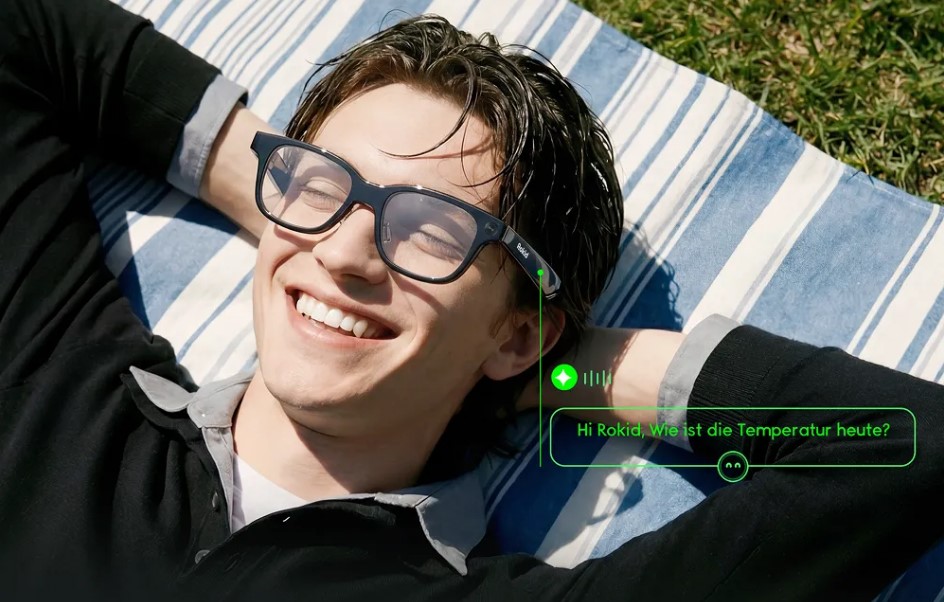
Rokid’s official product page lists the glasses at 38.5 grams and says they include a 12-megapixel camera, open-ear audio and support for real-time translation. The company advertises up to 12 hours of everyday AI, audio and camera use from the built-in 210mAh battery. Rokid also gives separate figures for continuous translation, video, calls and music, making clear that battery life depends on how the glasses are used.
The Style model is built around voice and camera interaction rather than a screen. Users can ask the AI assistant questions, capture photos or video and use the companion Hi Rokid app for setup and controls. Geeky Gadgets reports that software updates have made translation and customizable controls more reliable during extended testing. That is an encouraging sign, but app updates can also change the experience, so a buyer should check current feature support before purchase.
Open-ear audio remains a practical compromise. The speakers can deliver calls, music and spoken AI replies without blocking the user’s ears. In a quiet room, however, sound leakage may be noticeable to people nearby, and wind can affect microphones and recordings. These limitations are common with open-ear wearables, and they make the glasses better suited to ordinary outdoor use than to private listening in a silent office or shared room.
Privacy is another part of the buying decision. Rokid says a visible indicator light shows when the camera is recording. The camera and microphones still make the glasses a device that can capture people and conversations, so users need to follow local rules and obtain consent where required. The official product page describes the privacy light, while independent reviews have raised broader questions about how voice data and AI services are handled.
Design is where the long-term review is less enthusiastic. Geeky Gadgets says the glasses remain comfortable because of their low weight, but the flat frame and fingerprint-prone plastic can make them feel less polished. TechRadar’s earlier monthlong review reached a similar conclusion: the AI functions were useful, while the build and extra lens costs weakened the value. Those are review judgments, not a universal result, but they give shoppers a useful counterweight to the feature list.
Rokid lists the AI Glasses Style from $299 on its official site, with prescription lens service available at extra cost. The model makes the most sense for people who want translation, voice notes, first-person photos and quick AI help without wearing a display. Its progress also shows why connected glasses need ongoing software support. The hardware is light enough to wear, but the daily experience will depend on battery behavior, app updates, audio privacy and how well the AI responds in real situations.

Follow iNews Zoombangla On Google
Open the Google follow page and tap the checkmark option to receive more updates from iNews Zoombangla in your Google news feed.