Sony has introduced the Xperia 1 VIII with the kind of specifications expected from a top-tier Android flagship, but early reaction suggests the company is still confronting the same challenge that has followed its smartphone business for years: convincing buyers the experience justifies the cost.
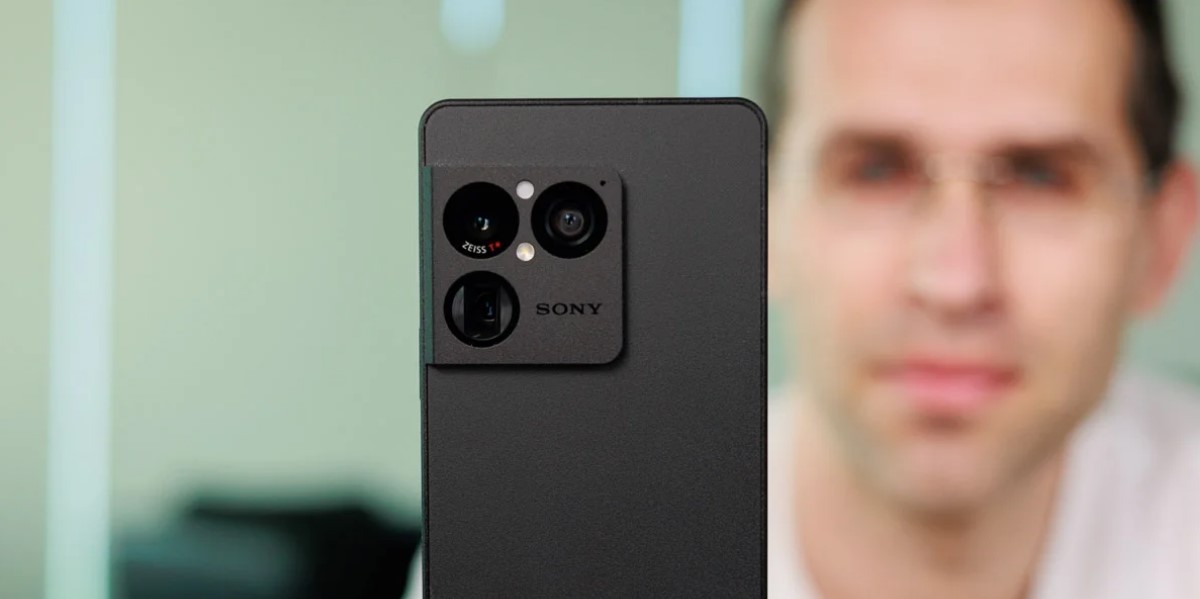
The new handset launches at €1,499, placing it directly alongside the most expensive premium phones on the market. That figure quickly became the center of discussion among smartphone enthusiasts, especially as Sony’s global presence in the mobile industry has steadily narrowed despite continued praise for its hardware design and camera systems.
In a recent reader poll conducted ahead of the phone’s release, most respondents said lower pricing would do more to improve Xperia sales than any redesign or technical upgrade. More than three-quarters of participants pointed to cost as the main obstacle for Sony’s smartphones, while smaller groups argued that the Xperia line has simply lost relevance in a market now dominated by larger brands.
The Xperia 1 VIII itself arrives with little compromise on specifications. Sony has equipped the device with a 6.5-inch OLED display running at 120Hz, powered by Qualcomm’s Snapdragon 8 Elite Gen 5 processor. Buyers can choose between 12GB and 16GB of RAM configurations, while the phone ships with Android 16 and support for up to four major operating system updates.
Battery capacity stands at 5,000mAh, with support for 30W wired charging and 15W wireless charging. Bluetooth 6.0 is also included.
Yet much of Sony’s identity in smartphones continues to come from features other manufacturers have gradually abandoned. The Xperia 1 VIII retains a 3.5mm headphone jack and a microSD card slot, both increasingly uncommon in flagship devices. Sony has also avoided display cutouts, opting instead for slightly thicker bezels at the top and bottom of the screen.
That approach remains divisive. Some users see the bezels as outdated, while others prefer an uninterrupted display over camera holes or notches. Sony’s camera tuning has similarly developed a distinct audience, particularly among users who prefer more restrained and natural-looking photos instead of the brighter, more saturated processing common across competing flagships.
The debate surrounding the Xperia line now appears less focused on hardware limitations and more on market perception. Sony’s phones continue to attract a niche audience that values practical features and a different design philosophy, but the company no longer commands the visibility it once held in the global smartphone business.
Also Read:
vivo X300 Ultra Arrives in Market With New Victory Green Finish
Whether pricing alone explains that decline remains open to debate. Still, the early reaction to the Xperia 1 VIII suggests many consumers believe Sony’s biggest hurdle may not be what the phone lacks, but how much it asks buyers to pay for it.

Follow iNews Zoombangla On Google
Open the Google follow page and tap the checkmark option to receive more updates from iNews Zoombangla in your Google news feed.