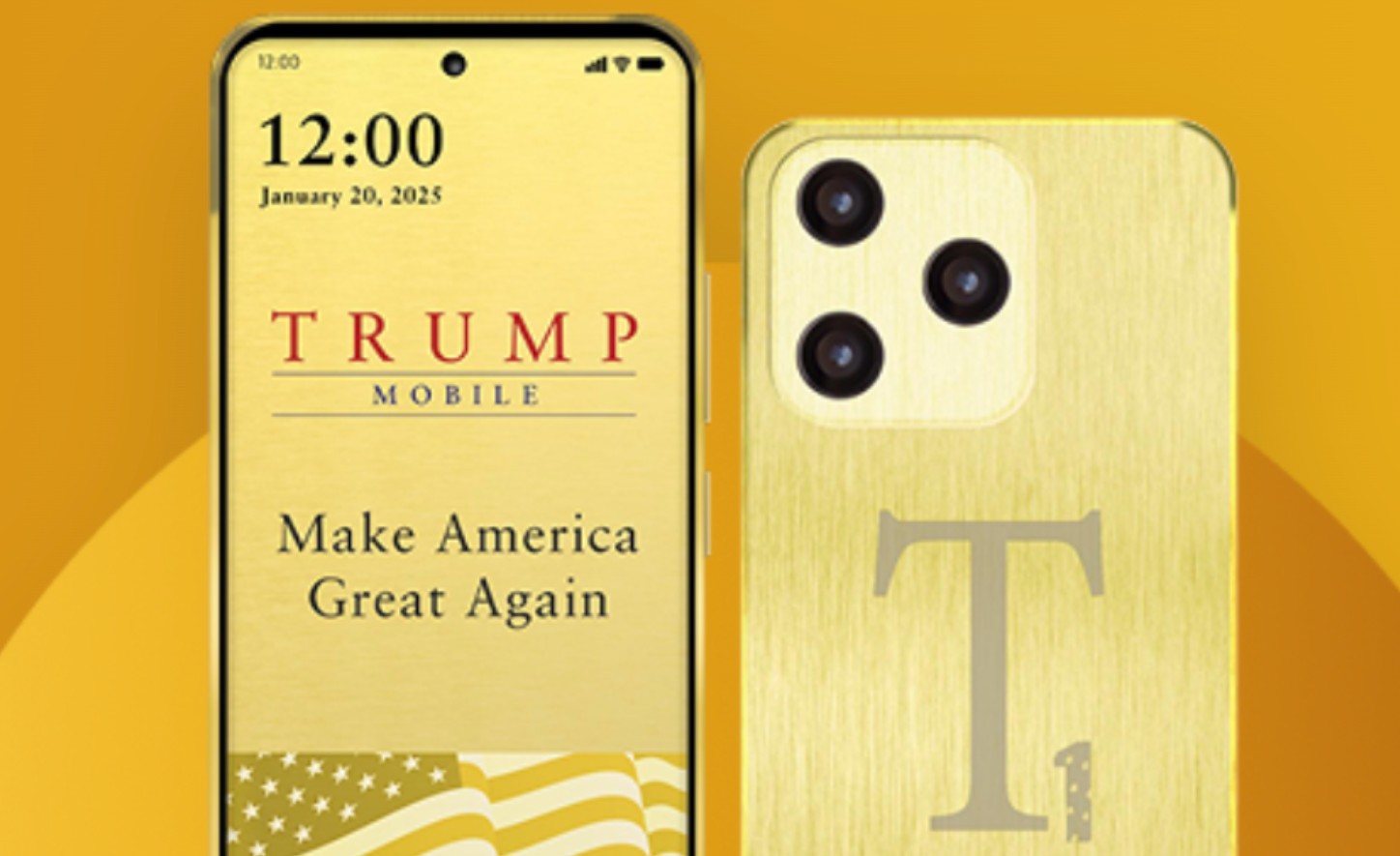
A detailed teardown of the Trump T1 phone published Thursday confirmed that the device is a rebranded version of the HTC U24 Pro, built in Taiwan, with no components that would support the administration’s claims of American manufacturing involvement beyond software customisation.
The teardown, conducted by The Verge and independently verified by Notebookcheck, found that the T1’s internal hardware is identical to the HTC U24 Pro released earlier this year. The processor, display panel, battery, and camera modules are all standard HTC supply chain components sourced primarily from Taiwanese and South Korean manufacturers.
NBC News reported Thursday that the Trump Mobile company, which markets the T1, had described the phone as American-designed in promotional materials. The teardown found no evidence of US-based engineering modifications beyond branding, pre-installed applications, and a custom home screen wallpaper featuring the Trump Tower silhouette.
HTC did not deny the relationship when contacted by The Verge. A spokesperson said HTC provides original design manufacturer services to various clients and that agreements with individual customers are confidential. The Taiwanese company has offered ODM services since its smartphone sales declined sharply in the early 2020s.
The T1 sells for $499 and has been promoted heavily on conservative media channels and Trump’s social media accounts. The phone runs a lightly modified version of Android with several third-party applications pre-installed, including a news aggregator that features content from right-leaning outlets.
Consumer advocates noted that buyers expecting a product with substantive American manufacturing content are instead receiving a standard mid-range Android device at a significant premium over comparable HTC hardware available through other channels. The HTC U24 Pro on which it is based retails for around $350 on the open market.
The revelation is the latest in a series of product launches affiliated with Trump-branded ventures that have faced scrutiny over their marketing claims and pricing. Critics have questioned whether the political branding justifies the premium and whether disclosure requirements around ODM sourcing were met.
The Federal Trade Commission’s guidelines on country-of-origin claims for consumer electronics are published at the FTC website. The broader landscape of mid-range Android hardware that the T1 competes with is covered in recent analysis of the Xiaomi 17T Pro and the Nubia Z80 Ultra. HTC’s ODM model is also discussed in context of the Google Pixel 11’s own contract manufacturing arrangements.

Follow iNews Zoombangla On Google
Open the Google follow page and tap the checkmark option to receive more updates from iNews Zoombangla in your Google news feed.