Vice President JD Vance is expected to sign a peace memorandum with Iran in Geneva on Sunday, with Pakistan’s Prime Minister Shehbaz Sharif confirming that a final text has been agreed. The document is being called the Islamabad Declaration, recognising Pakistan’s role as mediator throughout the negotiations. Vance would sign alongside Iran’s parliament speaker Mohammad Baqer Qalibaf.
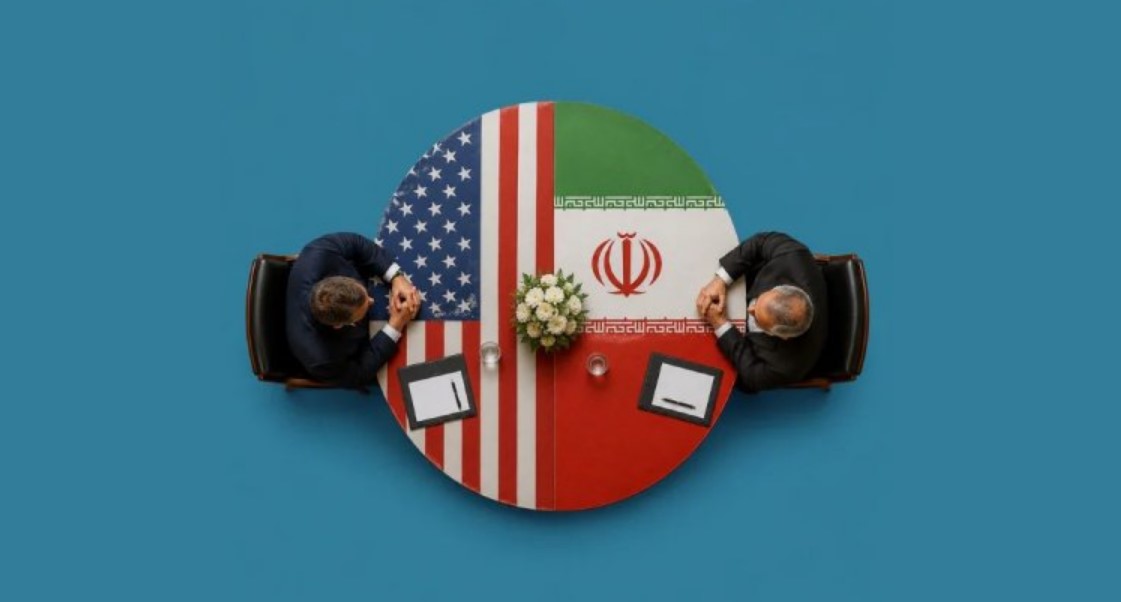
Trump said on Wednesday night that the United States had effectively ended its war with Iran and that a signing ceremony in Europe would happen soon. On Friday, Geneva emerged as the confirmed venue, with Western officials telling Reuters the ceremony would most likely take place on Sunday afternoon. The aim was to finalise language in the memorandum by Saturday so both sides would have time to review the text before the signing.
Iran’s Foreign Ministry has publicly hedged. A spokesman said on Friday that “nothing has been finalised regarding the signing of the agreement,” while IRGC-affiliated Fars news agency cited a source saying no date or venue had been confirmed. The gap between public and private positions was described by diplomats as a standard feature of the negotiations, with Tehran keeping room to manage domestic opposition to any deal.
The memorandum would extend the current ceasefire by 60 days and open formal nuclear talks. Iran would reopen the Strait of Hormuz to commercial shipping immediately upon signing. Sanctions relief would follow in phases tied to compliance. The waterway carries roughly a fifth of global daily oil and gas supply, and its closure since late February has driven energy prices sharply higher across the world.
Pakistan played an unusually prominent role in the talks, hosting multiple rounds of secret negotiations in Islamabad. Prime Minister Sharif briefed senior Gulf leaders and European officials during the final 48 hours before the Geneva announcement, according to Pakistani government sources. The role gives Islamabad a diplomatic profile in the Middle East that it has rarely held.
Oil markets have continued to price in the ceasefire. Brent crude held near $96 a barrel on Friday as traders positioned for the Hormuz reopening. The deal framework announced by Trump on Wednesday had already pushed prices off their recent peaks near $105. Analysts warned that any last-minute collapse in the talks could send Brent back above $100 quickly. Israel said it remained outside the deal and reserved the right to act independently. The diplomatic pressure from India and other nations whose citizens were killed during the war has been cited as one factor accelerating Washington’s push for a deal. Geneva will be closely watched by governments across the Middle East, Asia, and Europe. The full details of the memorandum’s nuclear provisions are expected to be disclosed after the signing. The Swiss foreign ministry confirmed it would host the ceremony at the Palais des Nations in Geneva.

Follow iNews Zoombangla On Google
Open the Google follow page and tap the checkmark option to receive more updates from iNews Zoombangla in your Google news feed.