The latest Anak Krakatau volcanic eruption disrupted air travel on September 6 as ash moved across western parts of Indonesia. The Associated Press reported that flights at Jakarta’s Soekarno-Hatta International Airport were canceled and services at other airports were also affected.
Indonesia’s Geological Agency said the volcano erupted for about 30 seconds at 3:53 a.m. Sunday and again for 16 seconds roughly three hours later, according to the Associated Press. The volcano sits in the Sunda Strait between Java and Sumatra.
The ash did not remain close to the crater. The Associated Press reported that one plume reached about 20,000 feet and moved northeast over Jakarta, Banten, West Java and nearby waters. A second cloud reached about 50,000 feet and spread over parts of Banten, Lampung and Bengkulu, the southern Sunda Strait and the Indian Ocean west of Sumatra.
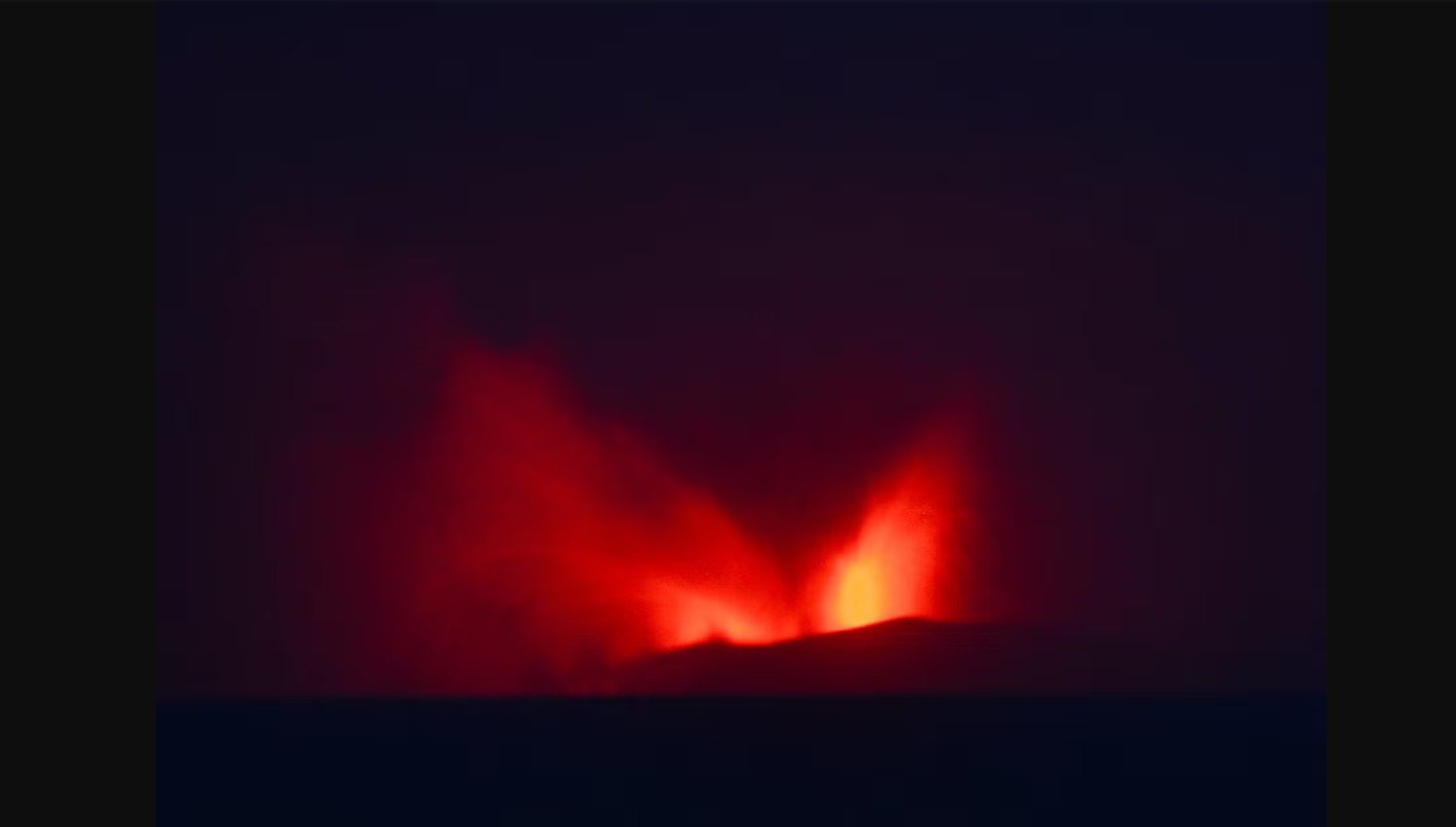
Indonesia’s meteorological agency, BMKG, said satellite analysis on September 6 identified two ash clusters extending from Banten and Jakarta through West Java to Bengkulu. BMKG said it increased 24-hour monitoring of the volcano’s effect on the atmosphere, aviation and waters around the Sunda Strait.
BMKG also said the Soekarno-Hatta meteorological station issued an aviation warning soon after the initial eruption and that 18 Significant Meteorological Information, or SIGMET, notices had been issued at the time of its statement. A SIGMET is an early warning used for significant weather that can affect flight operations.
The Ministry of Energy and Mineral Resources said the volcano’s continuous eruption episode lasted about 25 hours. Its update said the episode began late on September 4 and ended early on September 6. The ministry said the alert level remained at Level III, known as Siaga.
No casualties or evacuation order were reported in the Associated Press account. The nearest settlement is more than 16 kilometers from the crater, while authorities advised residents and visitors to stay at least three kilometers away from the active crater area.
The aviation disruption continued beyond Jakarta. The Associated Press reported effects at Bali’s I Gusti Ngurah Rai International Airport and at Medan, while the civil aviation authority warned that aircraft rotations, fleet availability and terminal capacity could create additional schedule problems as services were restored.
The current reports establish an active eruption, ash movement and flight disruption. They do not establish that a larger eruption will occur. Indonesia’s Geological Agency said officials were continuing to assess the volcano with monitoring data, while the Level III alert and the three-kilometer exclusion advice remained in place.

Follow iNews Zoombangla On Google
Open the Google follow page and tap the checkmark option to receive more updates from iNews Zoombangla in your Google news feed.