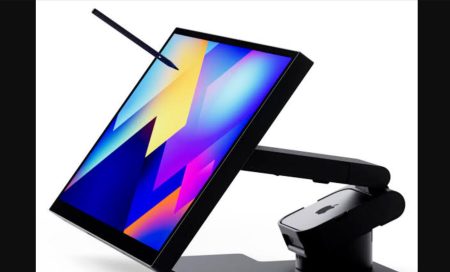
The Xiaomi Redmi Note 17 Pro Max is putting screen visibility and physical protection at the center of its product pitch. Xiaomi’s global specifications page lists a 6.83-inch 1.5K AMOLED panel, a 120Hz refresh rate and peak brightness of up to 3,500 nits.
The company also lists a low-brightness mode that can fall to 1 nit, along with 3,840Hz PWM dimming and DC dimming. Those features are presented as eye-care functions for different lighting conditions, while the 120Hz mode is intended to keep scrolling and motion smooth.
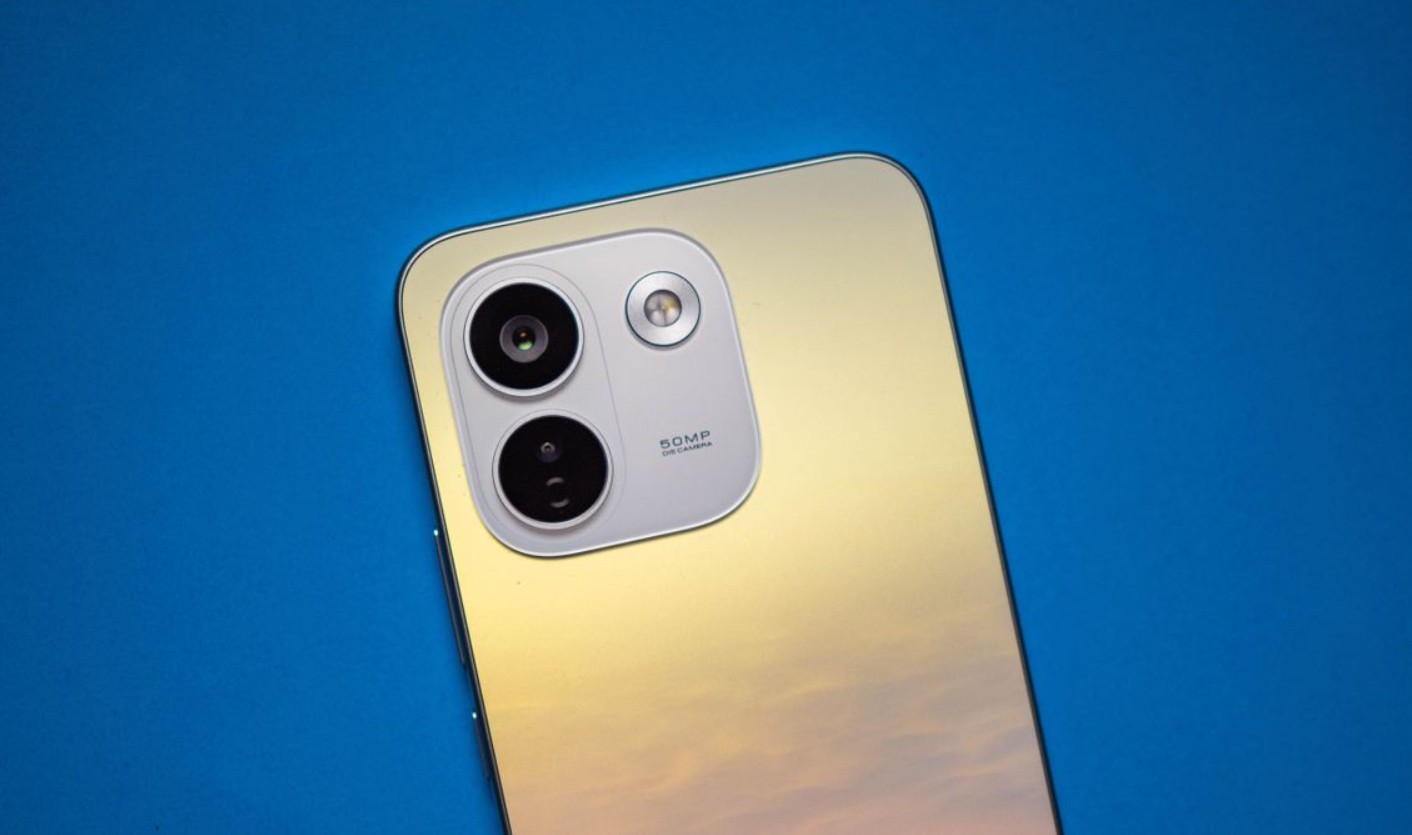
Outdoor readability is another emphasis. Xiaomi says the display uses brighter luminous materials and can reduce display power consumption by up to 11.4% in its own testing. The page also separates the 3,500-nit peak figure from a 2,000-nit high-brightness mode.
Durability sits alongside the display specifications. The Redmi Note 17 Pro Max carries IP66, IP68, IP69 and IP69K ratings on Xiaomi’s page. Xiaomi also says the phone passed a TÜV SÜD test involving water resistance at a depth of two meters for 72 hours.
A separate SGS certification is listed for drops of up to three meters onto granite. The display uses Corning Gorilla Glass Victus 2, which Xiaomi describes as protection against everyday drops and scratches. The company is describing laboratory and certification results, not promising that every accident will leave a phone undamaged.
Android Central’s review adds a different detail about the build. It says the phone uses a polycarbonate mid-frame and carries IP68 and IP69K protection. The review also found that the handset is a little heavier than a Galaxy S26 Ultra, but still manageable to hold.
The same review tested a 9,210mAh silicon-carbon battery and recorded about two and a half days of medium use. It also reported 100W USB PD 3.0 charging and a full-charge time of about one hour. Those results provide context for a phone whose hardware list is dominated by endurance and resistance claims.
Android Central lists a $499 launch price and also criticizes the phone’s slower performance, lower memory options and camera trade-offs. That assessment gives buyers a counterweight to the headline specifications. A large battery and a bright display do not remove the need to compare the rest of the hardware.
The new model therefore stands out most clearly in two areas: a high-brightness screen and a long list of protection claims. Buyers should check the local Xiaomi page for the exact battery, storage and network configuration before making a purchase, because Android Central notes that regional hardware can differ.

Follow iNews Zoombangla On Google
Open the Google follow page and tap the checkmark option to receive more updates from iNews Zoombangla in your Google news feed.