The Bittu Tabahi Ajnar River cleanup campaign in Madhya Pradesh is drawing fresh attention after new reporting documented two different accounts of how the work was carried out. Hindustan Times described Surendra Singh Choudhary as a 21-year-old college student who began cleaning the river in January 2026.
Hindustan Times reported on September 5 that Choudhary grew up near the river and repeatedly saw garbage around the waterway. He told the publication that he started the effort after seeing waste behind a temple near the river where he spent time. The report said he had worked across three ghats before his videos gained wider attention.
That account presents the cleanup as a sustained personal effort that began before the videos went viral. Choudhary also told Hindustan Times that he noticed people littering less after the online attention. The publication attributed that observation to him rather than presenting it as an independently measured change in waste levels.
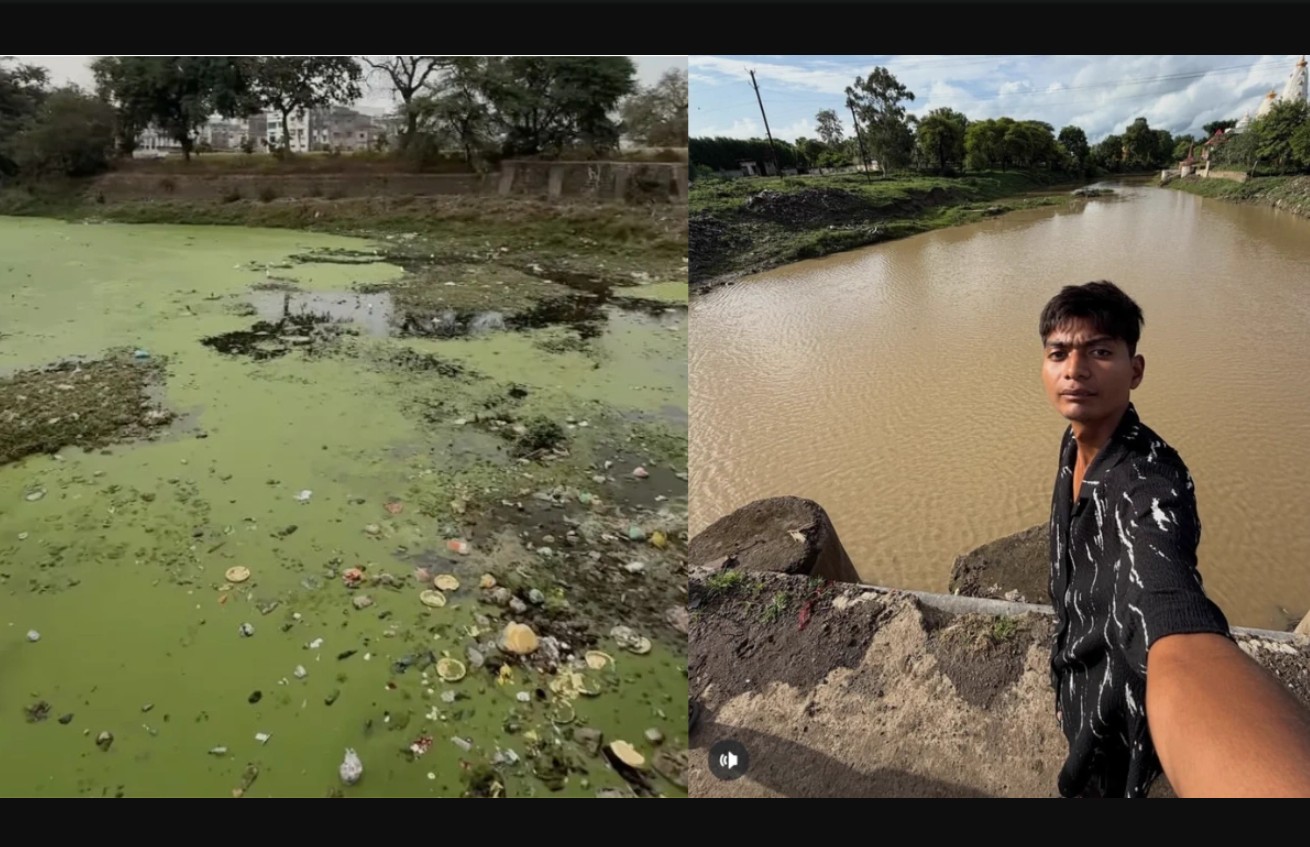
AajTak’s September 6 ground report added a second account. It said local residents, the Ajnar Bachao Samiti and municipal officials disputed the idea that one person had completed the river cleanup alone. According to that report, the committee and the municipality had organized annual cleanup drives together since 2016.
AajTak also reported that Choudhary is a member of the committee and has taken part in its cleanup work. The report said a municipal sub-engineer considered the before-and-after photos shared by Choudhary to be genuine. It separately described later work involving local residents and machines used to remove older waste and debris.
The two reports do not erase Choudhary’s role. They do show that the phrase Bittu Tabahi Ajnar River cleanup can refer to both his regular work and a wider community effort. AajTak reported that Choudhary said others had helped, while he still went to the river every day.
The disagreement is about credit and scale, not whether the river has faced a waste problem. Hindustan Times documented the garbage that motivated Choudhary, while AajTak reported statements from local groups and municipal officials about years of collective work. Those claims should remain attributed to the people and publications that made them.
The latest reporting therefore supports a careful description: Choudhary helped draw attention to the Ajnar River through repeated cleanup work and videos, while local accounts say the cleanup has involved more people than a one-person narrative suggests. The distinction matters when a viral story becomes a public record.
Neither report provides a measured assessment of the river’s long-term water quality or a complete tally of removed waste. Those details should not be inferred from video reach or before-and-after images. The verified development is the public debate over how the cleanup happened and who should receive credit.

Follow iNews Zoombangla On Google
Open the Google follow page and tap the checkmark option to receive more updates from iNews Zoombangla in your Google news feed.