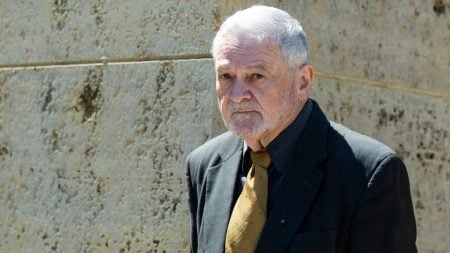
Andy Burnham won the Manchester Gorton by-election on Friday, returning to the House of Commons after nine years away and setting up what political observers described as the most credible challenge to Keir Starmer‘s leadership of the Labour Party since the prime minister took office.
Burnham won the seat with 52 percent of the vote, a comfortable margin over the Conservative candidate in what has historically been a safe Labour constituency. He resigned as Mayor of Greater Manchester to stand in the by-election, a move that generated significant media attention when announced in May and transformed the vote into a referendum of sorts on his national ambitions.
He declined to announce any leadership challenge on Friday, telling reporters outside the count in Manchester that his focus was on representing his constituents and “taking the fight to this government.” But he did not rule out a future bid and made several pointed references to Labour’s declining polling numbers under Starmer, saying the party needed to reconnect with working people.

Labour’s national poll lead has narrowed sharply over the past six months, with a string of contentious decisions on welfare reform, housing, and public sector pay squeezing the government’s support. Internal party research cited by the Guardian this week showed Labour backbenchers privately anxious about the party’s direction ahead of local elections next year.
Burnham spent more than a decade as Greater Manchester mayor and built a national profile on issues including homelessness, public transport investment, and the Hillsborough inquiry. His decision to leave the mayoralty to return to Westminster surprised some allies who had assumed he would stay in Greater Manchester.
Starmer’s office issued a short statement congratulating Burnham on his election and saying the prime minister looked forward to working with him in Parliament. The statement did not invite Burnham into the government or signal any frontbench role, which aides to both politicians said was deliberate.
The by-election was called after the previous MP for Manchester Gorton died in March. Burnham entered the race in May after the seat became vacant and signalled his intention to re-enter national politics. Starmer’s government has faced months of questions about its economic messaging and relationship with Labour’s traditional voter base.
Conservative Party leader Kemi Badenoch described the result as evidence that “even Labour voters want an alternative” to the current government, though the Tories came a distant second and made no meaningful gains from their 2024 position. The Liberal Democrats improved their share of the vote, finishing third.
Burnham is widely regarded as Labour’s most popular figure outside the parliamentary party. His handling of the Manchester Arena bombing aftermath in 2017 and his years of high-visibility advocacy on northern England issues gave him a public recognition rate significantly higher than most Cabinet ministers. Recent polling showed him as the preferred Labour leader among party members by a margin of 14 points over the next closest rival.
He will take his seat in the Commons when Parliament returns from its short recess next week. Whether he moves to a frontbench position or operates as an independent voice from the backbenches is expected to become clear within days.

Follow iNews Zoombangla On Google
Open the Google follow page and tap the checkmark option to receive more updates from iNews Zoombangla in your Google news feed.