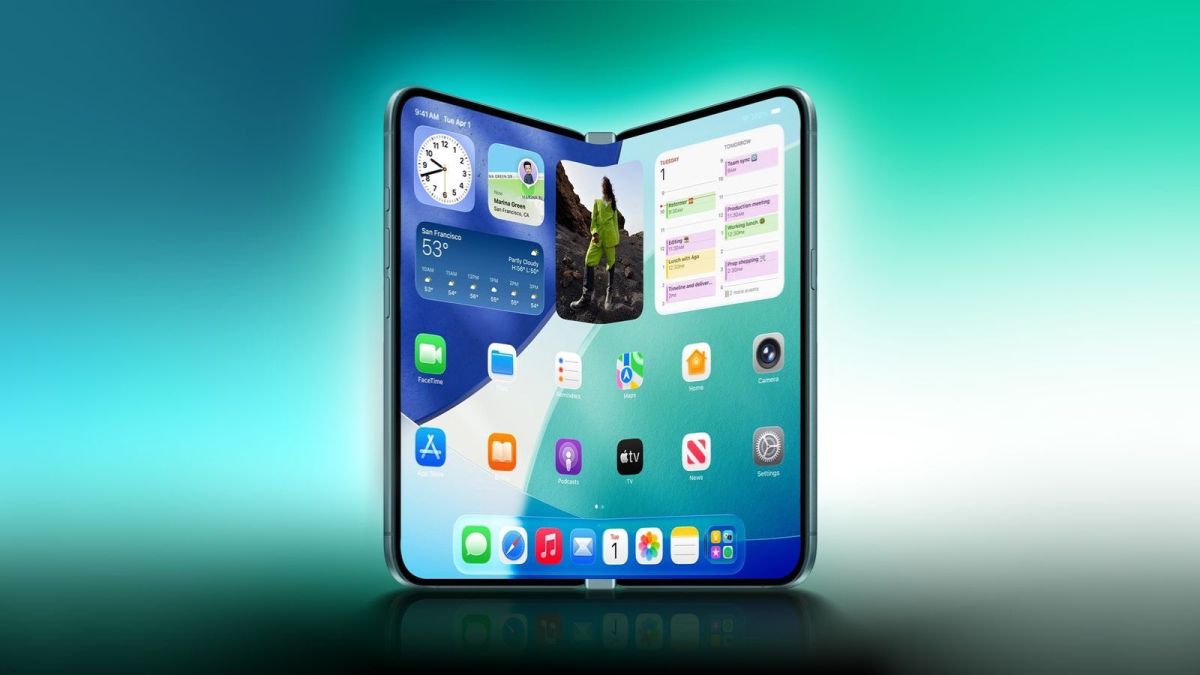
Apple is reportedly preparing to launch its first foldable iPhone in September 2026, marking a significant shift in its hardware strategy. The device, which may carry the “Ultra” branding, is expected to debut alongside the iPhone 18 Pro series. Recent leaks suggest a book-style design that transitions from a compact handset to a tablet-sized display.
Industry insiders indicate that the tech giant has prioritized a crease-free experience, a common hurdle for existing foldable smartphones. The move comes as Apple seeks to capture a premium segment of the market currently dominated by competitors like Samsung and Huawei. Engineering challenges regarding display durability and thickness have dictated several unique design choices for this upcoming flagship.
Advanced Hinge Technology and Display Dimensions
The foldable iPhone is expected to feature a 7.8-inch internal display when fully opened, providing a workspace nearly identical to an iPad mini. When closed, users will likely interact with a 5.5-inch external screen featuring a 4:3 aspect ratio. This wider, shorter form factor distinguishes it from the narrower designs seen in many contemporary foldables. Apple is reportedly utilizing a titanium and aluminum frame to maintain structural integrity while achieving a chassis as thin as 4.5mm when unfolded.
To eliminate the visible crease, Apple is said to be using a liquid metal hinge mechanism combined with specialized material properties. This approach aims to manage structural stress more effectively than traditional mechanical hinges. Furthermore, the display panel may integrate touch sensors directly into the glass to reduce thickness by nearly 20 percent. These advancements are part of a broader effort to meet strict internal standards for brightness and power efficiency.
Internal hardware will likely be powered by the A20 Pro chip, built on a cutting-edge 2nm process. This processor is expected to be paired with 12GB of RAM, integrated directly onto the chip wafer for faster data processing. A dual 48MP camera system is projected for the rear, though current designs may omit a telephoto lens to maintain the device’s slim profile. Battery capacity is rumored to fall between 5,000 and 5,500 mAh to support the larger screen real estate.
Design Trade-offs and Market Positioning
The pursuit of an ultra-thin foldable design has led to the reported removal of Face ID in favor of a Touch ID sensor built into the power button. This change allows for a more streamlined bezel and reduces the complexity of the sensor array in a folding chassis. For selfies and video calls, Apple is expected to use a punch-hole camera design on both the internal and external displays rather than an under-display solution.
Analysts anticipate the device will be positioned as the most expensive model in Apple’s lineup, with price estimates starting at $2,000. This premium pricing reflects the high cost of specialized materials like ultra-thin glass and the complex assembly required for the hinge. While the initial supply may be limited, the launch is expected to drive significant growth in the global foldable smartphone sector by late 2026.
Current reports suggest that manufacturing validation is ongoing, with supply chain partners in Asia ramping up production capabilities for the 2nm components. Despite the shift in biometric technology and the refined camera array, the device will likely feature a custom version of iOS optimized for multitasking on a larger canvas. This software integration remains a critical factor in how Apple plans to differentiate its foldable experience from existing market offerings.
The arrival of a foldable iPhone in 2026 signals Apple’s confidence in the maturity of flexible display technology. By combining a titanium frame with a virtually crease-free screen, the company aims to redefine the premium mobile category. This release will likely set a new benchmark for how hardware and software interact in a foldable format.
FYI (keeping you in the loop)-
When will the Apple foldable iPhone be released?
The device is currently expected to launch in September 2026. It will likely be introduced alongside the iPhone 18 Pro and Pro Max models. Some analysts suggest a late 2026 release if production faces minor delays.
How much will the Apple iPhone Ultra foldable cost?
Price estimates for the foldable iPhone start at over $2,000, with some reports suggesting a high-end price tag of $2,399. This reflects the premium materials and advanced 2nm chip technology used in the device. It will be the most expensive iPhone in the lineup.
Will the foldable iPhone have Face ID?
Current leaks indicate that Apple will replace Face ID with Touch ID on the foldable model. The fingerprint sensor is expected to be integrated into the side power button. This decision helps maintain the device’s extremely thin 4.5mm unfolded profile.

Follow iNews Zoombangla On Google
Open the Google follow page and tap the checkmark option to receive more updates from iNews Zoombangla in your Google news feed.