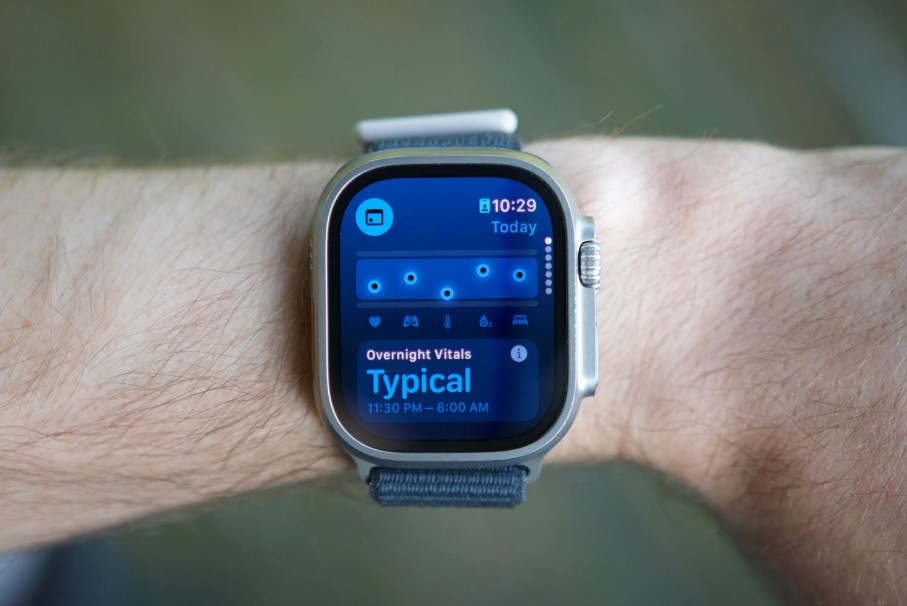
The Apple Watch leukemia alert story shared by Apple is about a warning that prompted medical care, not a cancer diagnosis made by the watch. Apple’s video features a user named Amanda, who says her Apple Watch began alerting her to changes in her resting heart rate and overnight vitals in 2024. MacRumors reported that she then visited a doctor and was diagnosed with acute myeloid leukemia, an aggressive form of cancer.
The sequence is important because it separates the device’s signal from the clinician’s diagnosis. Apple Watch heart-health tools can flag certain patterns in heart rate or rhythm. They do not test for leukemia, identify cancer cells or replace a medical examination. Apple’s own support material describes the notifications as health information that may prompt a conversation with a doctor.
According to the Apple account, Amanda’s alerts were related to changes in her heart rate and overnight measurements. The company’s video says those warnings led her to seek care. After treatment, she is in remission, Apple said in the story reported by MacRumors. The report is therefore a personal account of an early warning and follow-up care, not evidence that an Apple Watch can screen the public for cancer.
Apple Watch can send high- and low-heart-rate notifications when a user’s heart rate remains above or below a chosen threshold. Apple Support also describes irregular-rhythm notifications that occasionally check for a pattern suggestive of atrial fibrillation. These functions are designed around heart signals. A heart-rate change can have many possible causes, and only a qualified clinician can interpret a person’s symptoms, history and test results.
Apple’s support page also sets clear limits. The irregular-rhythm feature is not constantly checking for atrial fibrillation, and the watch cannot detect a heart attack. Apple advises users to talk with a doctor if they feel unwell, even if they have not received a notification. That guidance is especially relevant when a wearable alert is discussed alongside a serious illness.
The story illustrates why wearables can be useful as prompts rather than diagnostic tools. A notification may encourage someone to notice a change and seek professional advice. It cannot explain why the change occurred, determine which test is needed or confirm that a condition is present. The same alert may also be affected by settings, fit, activity, sleep and other factors.
Readers should take the confirmed message narrowly. Apple says one user’s heart-related alerts helped lead her to medical evaluation before an acute myeloid leukemia diagnosis. The Apple Watch did not diagnose the cancer. Anyone who receives a persistent alert or has symptoms should follow Apple’s safety guidance and contact a health professional instead of relying on a consumer smartwatch for a diagnosis.

Follow iNews Zoombangla On Google
Open the Google follow page and tap the checkmark option to receive more updates from iNews Zoombangla in your Google news feed.