There was a time, not long ago, when the BMW 7 Series struggled to convince on looks alone. It wasn’t for lack of ambition. If anything, the previous iteration tried too hard, pulling in sharp lines, oversized elements, and split lighting in a way that felt unresolved rather than distinctive.
That has begun to change.
The latest design update does not rewrite the car entirely, but it brings a noticeable shift in tone. Where the earlier model leaned into visual aggression, the revised version steps back, choosing proportion and restraint over excess. It is a subtle recalibration, though one that becomes clear within moments of seeing the car.
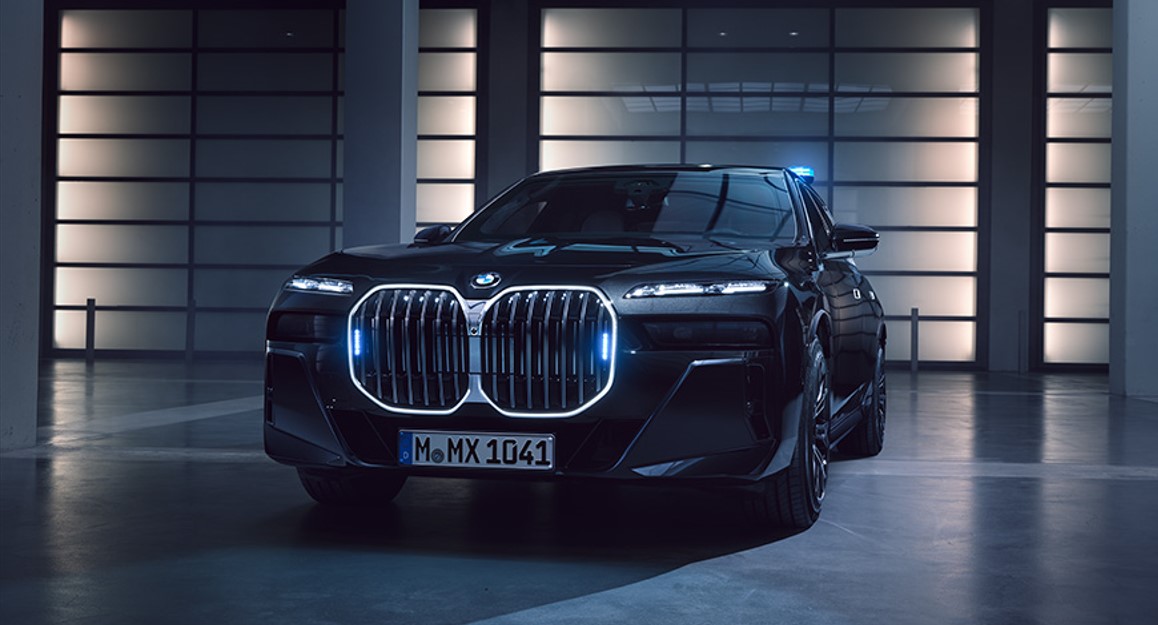
Up front, the changes are deliberate. The kidney grille, long a defining element of BMW design, remains prominent but no longer feels out of place. Its shape has been softened, moving away from awkward, multi-angled forms toward a more upright, squared-off appearance. The result is less confrontational, more composed.
There are familiar influences at play. The slightly raised hood line and its flow toward the windshield echo cues seen in Rolls-Royce models, particularly in how the front surfaces carry themselves with quiet confidence. That connection is not incidental, given the design leadership of Domagoj Dukec before his move within the broader group.
The lighting signature has also been revisited. Slimmer headlamps, now integrating crystal elements, reconnect visually with the grille. It is a small but meaningful correction. Previously, the separation between lighting and grille created a fragmented look. Now, the front reads as a single composition rather than disconnected parts.
Lower down, the aggressive detailing has been pared back. The air intakes and surrounding surfaces feel cleaner, allowing the design itself to be visible rather than masked by contrast-heavy elements.
Along the side, little has changed. The 7 Series retains its traditional three-box silhouette, a proportion that has long defined large luxury sedans. It is balanced, familiar, and, in this case, left untouched for good reason.
The rear tells a more noticeable story. The earlier design suffered from visual clutter, with competing lines and shapes drawing attention in different directions. That has been resolved with a more horizontal, simplified approach. Slim tail lamps now stretch across the width, forming a cohesive line that frames the rear without distraction.
Even small adjustments, such as reduced reflector size, contribute to a calmer appearance. The overall effect is not dramatic, but it is coherent in a way the previous version was not.
Some elements remain open to debate. The headlamps, while refined, sit slightly recessed, lacking the presence expected of such a central feature. Still, these are minor points in a broader improvement.
Also Read:
Oppo Find X9 Ultra Camera Marks Global Push for OPPO’s Flagship Imaging Line
The updated 7 Series does not aim to shock. Instead, it settles into its role with more confidence, aligning its design more closely with the expectations of a flagship sedan. For a car that once seemed uncertain of its own identity, that alone marks a significant step forward.

Follow iNews Zoombangla On Google
Open the Google follow page and tap the checkmark option to receive more updates from iNews Zoombangla in your Google news feed.