The Department of Homeland Security is developing a smartphone application that would allow local law enforcement officers to use facial recognition technology to check whether an individual is in the country legally, according to internal documents and officials familiar with the program.
The app, which DHS plans to begin piloting in four states before the end of the year, is designed to give officers on patrol access to immigration databases without requiring them to contact a federal agent or enter a name into a separate system. An officer would photograph a person’s face, and the app would cross-reference the image against DHS, ICE, and CBP databases to return a status indicator within seconds.
DHS confirmed the program’s existence in a statement on Friday, describing it as a tool to “support enforcement of federal immigration law at the local level.” The department said it would work only with jurisdictions that had signed agreements with ICE under the 287(g) program, which formalizes cooperation between federal immigration authorities and local agencies.
Civil liberties organizations reacted quickly. The American Civil Liberties Union said the program represented “a surveillance infrastructure that has no precedent in American law enforcement history” and vowed to challenge it in court. The Electronic Frontier Foundation said facial recognition technology had documented error rates significantly higher for people with darker skin tones, raising concerns that the system could lead to erroneous detentions.
Privacy advocates also raised questions about what would happen to images taken of people who were found to be legal residents or citizens. DHS did not address that directly in its statement but said the app was designed to be “minimally invasive” and would not retain images beyond the duration of the query.
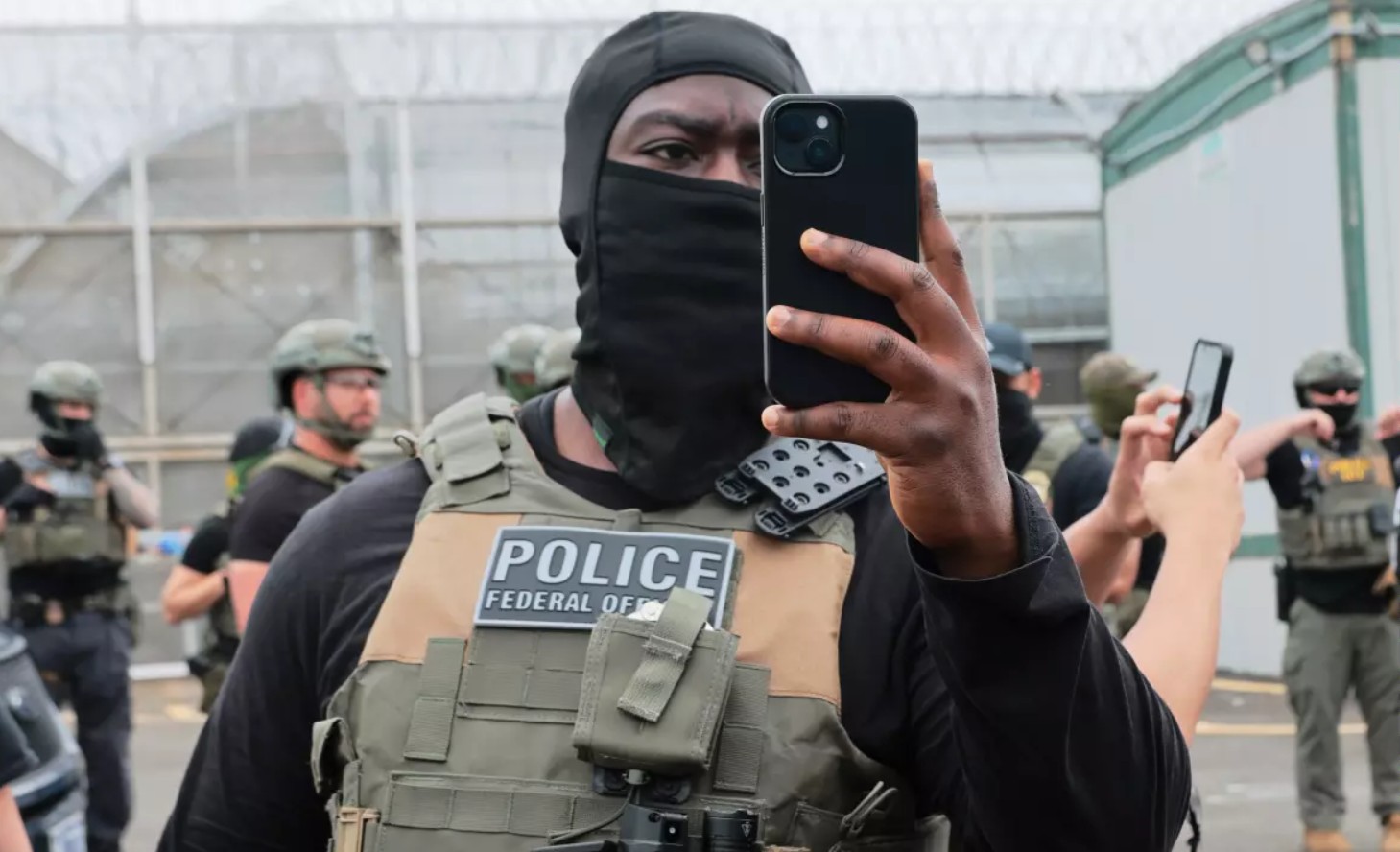
The pilot states have not been officially announced. Two officials familiar with the plans said Texas, Arizona, Florida, and Tennessee were under consideration. All four states have signed expanded cooperation agreements with ICE in the past 18 months and have indicated willingness to participate in joint enforcement programs.
Local police chiefs in several cities have publicly stated they will not participate in the program regardless of state-level agreements. Chiefs in Houston, Phoenix, and Nashville said this week they had concerns about both the legal framework and the operational burden the app could place on patrol officers. Immigration advocates in those cities said the announcements offered limited protection given that county sheriff’s offices, which operate separately, could still opt in.
The program is distinct from existing facial recognition tools used at airports and border crossings, which operate on fixed infrastructure. This is the first known effort to deploy a mobile, officer-held facial recognition system tied explicitly to immigration status checks in domestic law enforcement settings.
Congress has not passed legislation specifically authorizing or restricting this type of program. Several bipartisan bills proposing limits on federal facial recognition use have stalled in committee over the past four years. The Supreme Court has not issued a ruling on facial recognition in law enforcement contexts. DHS officials argue existing statutes give the department authority to develop and share tools with cooperative local agencies.
The ACLU said it was reviewing the legal basis for the program and would decide within weeks whether to seek a preliminary injunction. DHS said it expected to complete the pilot phase and make the app available to all 287(g) partner jurisdictions by mid-2027.

Follow iNews Zoombangla On Google
Open the Google follow page and tap the checkmark option to receive more updates from iNews Zoombangla in your Google news feed.