The 2026 Fencing World Championships opens today in Hong Kong, running through July 30 with elite competitors from every continent vying for medals across foil, épée, and sabre events.
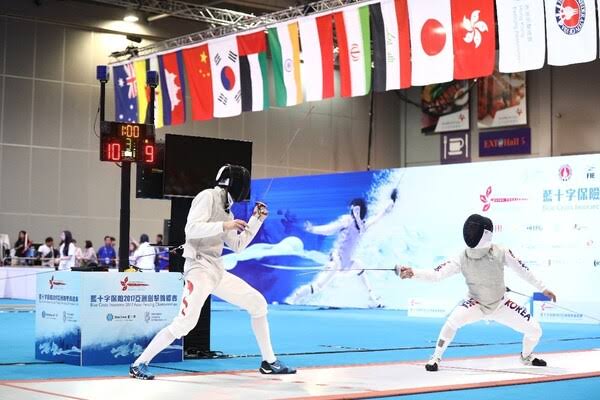
Fencing rarely breaks into mainstream sports coverage. But the sport moves fast, rewards precision, and holds an audience when it’s live. The next nine days will showcase why.
What to Watch
Individual events run first—men’s and women’s foil, then épée and sabre. Team events follow. Foil is the most defensive, épée the most technical, sabre the most aggressive. Each draws different types of competitor.
Hong Kong as a venue matters. Asian fencing has grown stronger over the past decade. Home advantage combined with an increasingly competitive field makes this a genuine open tournament, not a European affair.
The Real Competition
Italy and France have traditionally dominated. Russia’s absence from global sport has opened space for Asian fencers to climb rankings. Watch for Japan and South Korea on the medal table.
Women’s fencing has grown faster than men’s. More countries have invested in women’s programs. The depth of competition in women’s events is noticeably stronger than it was five years ago.
Why It Matters
Fencing rewards deliberate action over reaction. Speed matters. But precision matters more. In a sport built on scoring by centimeters, watching athletes execute at the highest level is watching human control.
Nine days of precision, strategy, and speed start now in Hong Kong.

Follow iNews Zoombangla On Google
Open the Google follow page and tap the checkmark option to receive more updates from iNews Zoombangla in your Google news feed.